A multi-agent-based dynamic reliability simulation evaluation method for a polymorphic system

A multi-state system and multi-agent technology, applied in design optimization/simulation, instrumentation, electrical digital data processing, etc., can solve problems such as increased system scale, fewer dynamic behavior and impact descriptions, and complex structures

CN112464555AInactive Publication Date: 2021-03-09BEIHANG UNIV
5 Cites 1 Cited by

Patent Information

Authority / Receiving Office
CN · China
Current Assignee / Owner
Publication Date
2021-03-09
Estimated Expiration
Not applicable · inactive patent

Smart Images

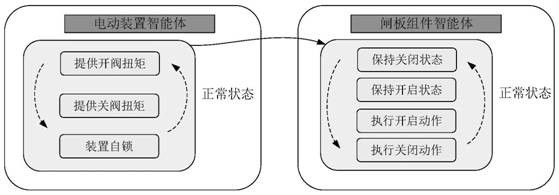
  • Figure 1
    Figure 1
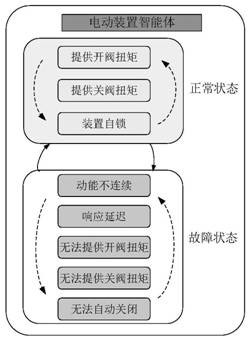
  • Figure 2
    Figure 2
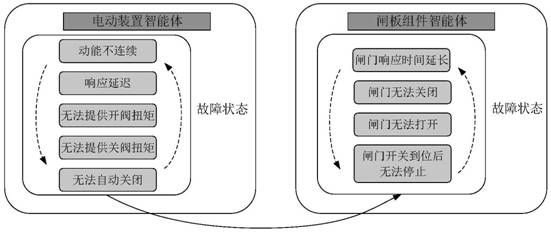
  • Figure 3
    Figure 3
Patent Text Reader

Abstract

The invention discloses a multi-agent-based dynamic reliability simulation evaluation method for a polymorphic system, and particularly relates to a dynamic reliability evaluation method for a dynamicsystem, which is based on multi-agent modeling and supports description of polymorphic functions, polymorphic faults and influences of the polymorphic functions and the polymorphic faults of constituent units. The method comprises the following steps: 1, abstracting polymorphic system elements based on an intelligent agent, and abstracting a polymorphic system and an operation process thereof into a task type intelligent agent and a system type intelligent agent; 2, describing and analyzing the functional polymorphism of the abstracted intelligent agent based on the functional block diagram;and 3, analyzing agent fault polymorphism and influence based on the FMEA, and describing and analyzing the fault polymorphism of the abstracted agent through the FMEA. 4, defining interaction rules between agent functions and fault polymorphisms as well as between agents; and 5, on the basis of the multi-agent polymorphic system reliability model, calculating the system reliability according to multiple simulation results and the average performance of the evaluation system, R (t) = 1 (t) / n.
Need to check novelty before this filing date? Find Prior Art

Description

[0001] Technical field

[0002] The present invention provides a multi-agent-based multi-state system dynamic reliability evaluation method, especially relates to a multi-agent model-based system dynamic reliability that supports the description of component unit poly-state functions and poly-state faults and their impacts A simulation evaluation method belongs to the technical field of reliability engineering. Background technique

[0003] Traditional reliability evaluation methods often simplify the system state to "two states", that is, the system is in a good working state or in a completely failed working state. However, many systems often have multiple intermediate states between the perfect working state and the complete failure state, which contain a wealth of potential fault information, which plays an important role in revealing the law of system faults and improving its reliability. Therefore, the reliability research of polymorphic systems is becoming a research h...

Examples

example 1

[0028] Example 1: A gate valve system, its main functions include: opening action, closing action, keeping open and keeping closed. The main functional units included are electric device, position indicating device, ball screw pair, gate assembly, valve cover assembly, center port gasket and valve body assembly.

[0029] The elements of the gate valve system are abstracted, and the results are shown in Table 1.

[0030] Table 1 Gate valve system abstraction

[0031]

[0032] Step 2: Agent function polymorphism and connection analysis based on functional block diagram

[0033] Based on the functional structure and operating logic described in the functional block diagram, the multiple functional states contained in the identified agent and the timing and logical connections between the states are analyzed in sequence. On this basis, the interactive relationship between agents during the system operation is analyzed.

[0034] Example 2, follow example 1. according to fi...