Glucose biosensor, glucose sensing film thereof and glucose dehydrogenase

A glucose dehydrogenase and biosensor technology, applied in the field of biosensors, can solve the problems that the performance cannot meet the needs of continuous glucose monitoring, and the working life is only one week.

CN113717955APending Publication Date: 2021-11-30SUZHOU ZHONGXING MEDICAL TECH CO LTD
5 Cites 3 Cited by

Patent Information

Authority / Receiving Office
CN · China
Patent Type
Applications(China)
Current Assignee / Owner
Publication Date
2021-11-30

Smart Images

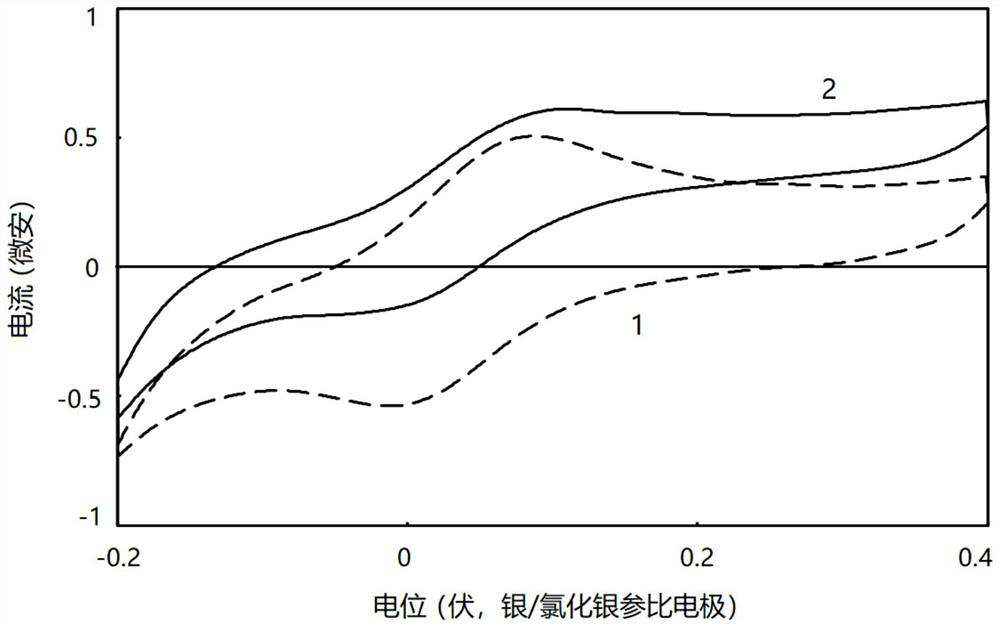
  • Figure 1
    Figure 1
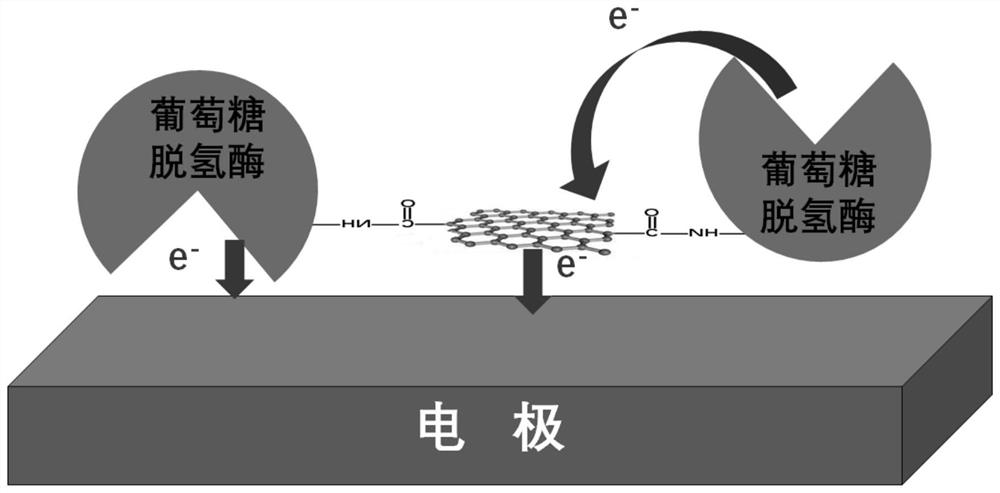
  • Figure 2
    Figure 2
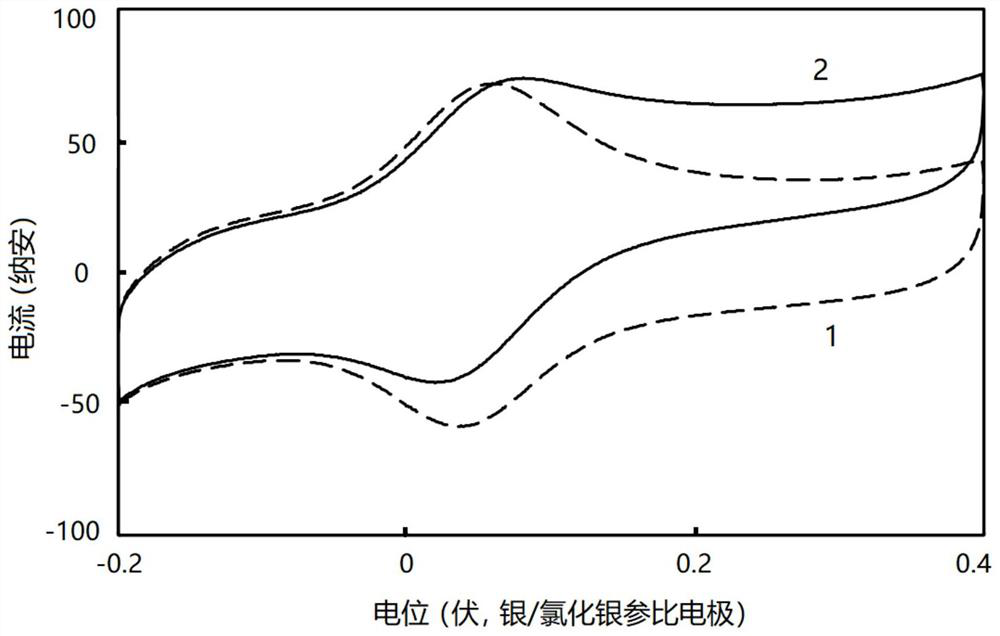
  • Figure 3
    Figure 3
Patent Text Reader

Abstract

The invention discloses an electrochemical activation technology of glucose dehydrogenase. The glucose dehydrogenase can perform direct electron exchange with an electrode, namely, direct electrochemistry of the glucose dehydrogenase, so as to fundamentally eliminate restriction of oxygen on glucose detection. The sensitivity, the accuracy, the reproducibility, the stability, the specificity and the anti-interference capability of glucose dynamic detection are improved. A service life of a continuous glucose monitor is prolonged. Meanwhile, cost of a glucose biosensor is greatly reduced.
Need to check novelty before this filing date? Find Prior Art

Description

technical field

[0001] The invention relates to the technical field of biosensors, more specifically, it relates to a glucose biosensor, a glucose sensing membrane, and glucose dehydrogenase. Background technique

[0002] With the development of the economy and the improvement of life, more and more people in the world have hyperglycemia or suffer from diabetes. Diabetes has become a common disease worldwide. According to statistics from the International Diabetes Federation, there are more than 400 million diabetics in the world. Among them, the number of diabetic patients in China exceeds 100 million. Diabetes is a chronic disease. Due to the decline of pancreas function in diabetic patients, it cannot produce enough insulin or can no longer produce insulin to effectively regulate blood sugar, resulting in high blood sugar in diabetic patients. Long-term high blood sugar can cause irreparable damage to human organs, causing complications such as skin ulcers, blindness, ki...

Examples

specific Embodiment

[0041] Specific embodiments: glucose dehydrogenase, which is prepared by the above method:

[0042] Step 1), 5 grams of glucose dehydrogenase is placed in 1 liter of PBS buffer solution containing 180 grams of urea for cultivation, so that the glucose dehydrogenase is fully developed, and the glucose dehydrogenase culture solution is obtained, and the cultivation temperature is 4-10°C , the time is 8 to 24 hours;

[0043] Step 2), add 5 grams of copper, cobalt, iron, nickel, ruthenium, iridium, osmium complexes with free amino groups in the glucose dehydrogenase culture solution, such as aminoferrocene, ruthenium (ammonia) 5 Aminopyrrole, ruthenium (ammonia) 5 (aminomethyl) pyrrole, ruthenium (ammonia) 5 (aminoethyl) pyrrole, ruthenium (ammonia) 5 Aminopyridine, ruthenium (ammonia) 5 (aminomethyl)pyridine, ruthenium (ammonia) 5 (aminoethyl)pyridine, osmium (bipyridine) 2 (aminomethyl)pyridine, osmium (bipyridine) 2 (aminoethyl)pyridine, osmium (bipyridine) 2 (Aminometh...