
Seal generation and verification method supporting subject and content authentication
A verification method and seal technology, applied in the payment system, payment system structure, instruments, etc., can solve the problem that the seal generation and verification are not related to the document content and the document provider, so as to solve the difficulty of authenticity identification and prevent counterfeiting. Documents, the effect of eliminating labor costs
Patent Information
- Authority / Receiving Office
- CN · China
- Patent Type
- Applications(China)
- Current Assignee / Owner
- Publication Date
- 2022-01-14
Smart Images
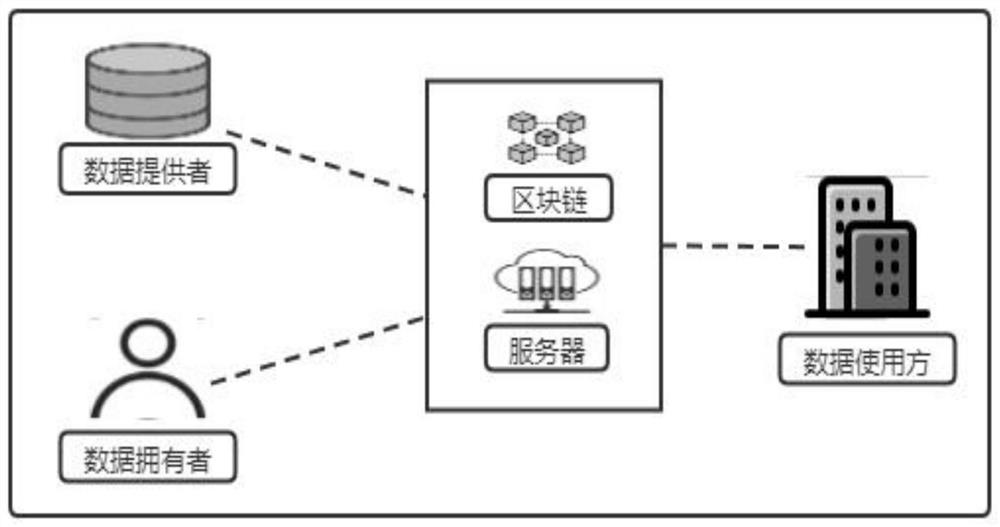
Figure 1 
Figure 2 
Figure 3
Abstract
Description
technical field
[0001] The invention belongs to the technical field of electronic seals, and in particular relates to a method for generating and verifying seals supporting subject and content authentication. Background technique
[0002] At this stage, the electronic seal is the product of the combination of the imprint of the traditional seal and the digital certificate. It is also an official seal in the form of electronic data and a personal seal with legal effect. Stamp (seal) on the document, based on domestic encryption technology to ensure the correctness, integrity and non-repudiation of the signed electronic document.
[0003] However, among the patents that have been published so far, most of the electronic seal patents are generated with the seal itself as the main body or only with the content of the document. For example, the patent application "two-dimensional encrypted seal" with application number 200610038420 and the patent application "two-dimensional enc...
Examples
Embodiment Construction
[0054] In order to make the technical means, creative features, goals and effects achieved by the present invention easy to understand, the present invention will be further described below in conjunction with the accompanying drawings.
[0055] The framework content of the present invention is as figure 1 As shown, the overall architecture of the present invention includes a data provider, a data owner, a data user, a server, and a blockchain. The following are the specific functions of each part:
[0056] (1) Data provider: The data provider acts as an authority and provides data for the data owner. The data owner first confirms whether the data from the data provider is correct. After confirming that it is correct, the data verified by the data provider can be downloaded to the local through the seal issuance system for sharing.
[0057] (2) Data owner: The data owner can upload files and choose the data to share with the data user.
[0058] (3) Data user: The data user c...