
Alkylated cyclodextrin compositions and processes for preparing and using the same
a technology of alkylated cyclodextrin and composition, which is applied in the direction of chemistry apparatus and processes, separation processes, filtration separation, etc., can solve the problems of reducing the shelf life and potency of active agent compositions
- Summary
- Abstract
- Description
- Claims
- Application Information
AI Technical Summary
Benefits of technology
Problems solved by technology
Method used
Image

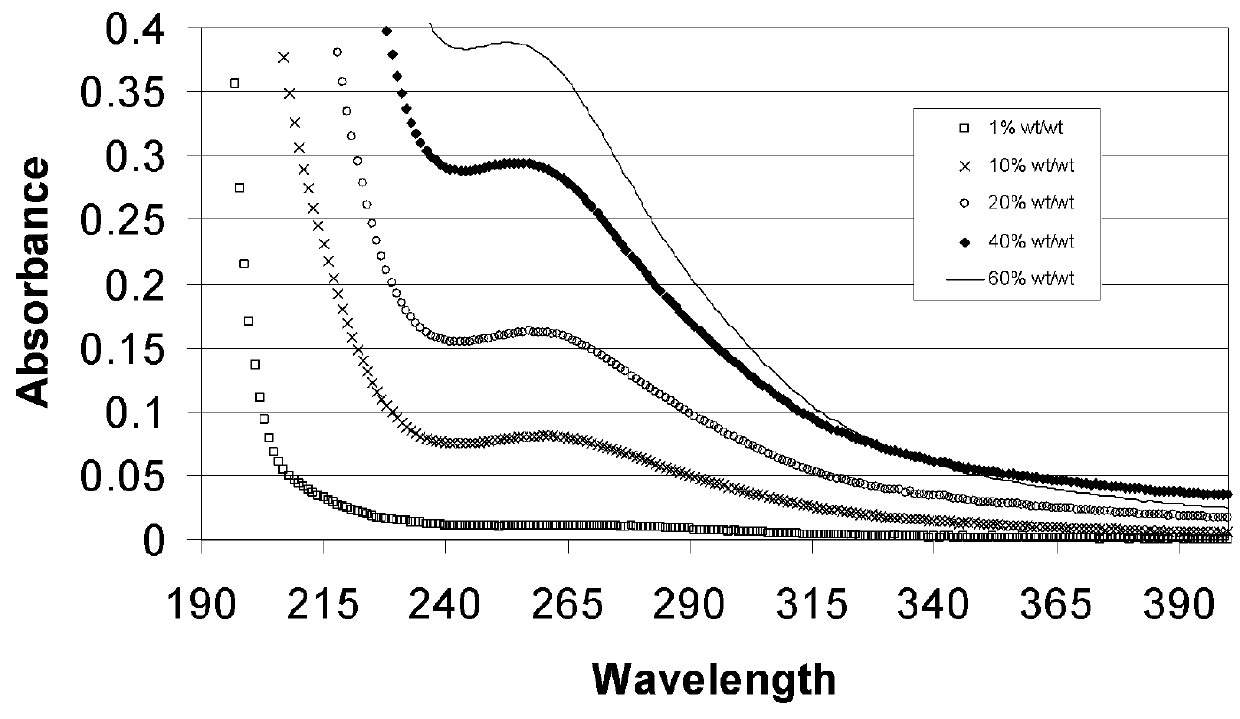
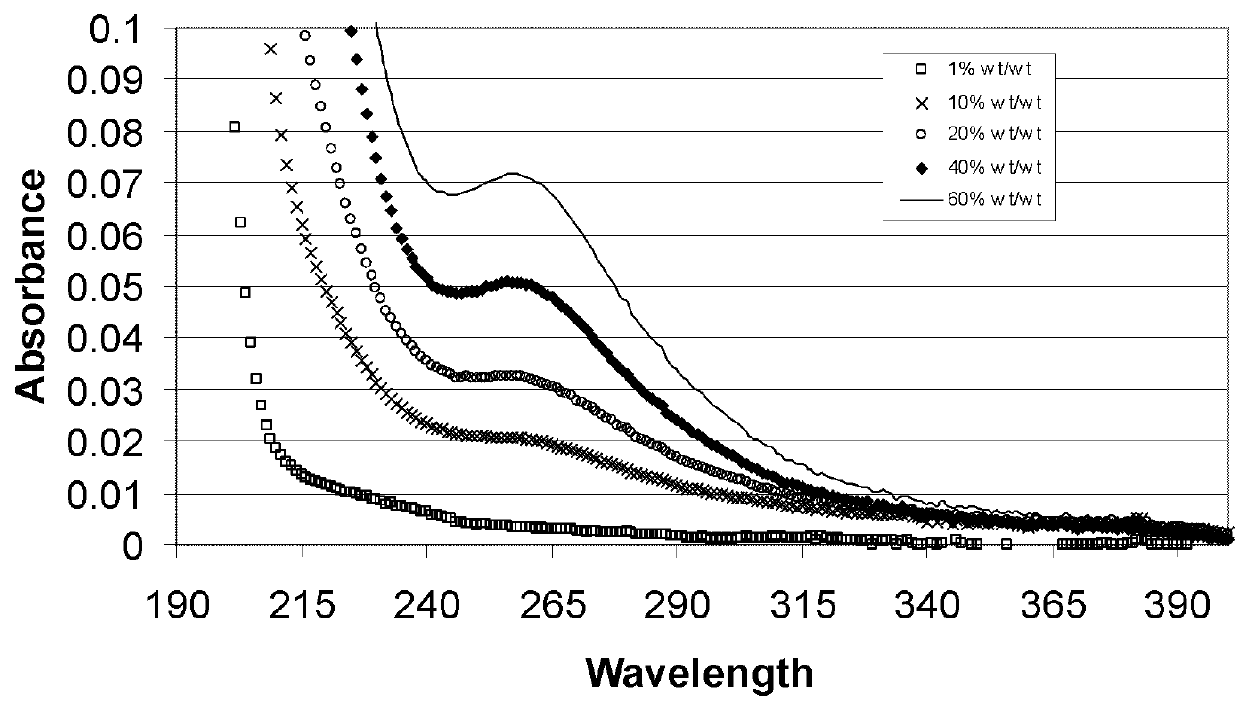
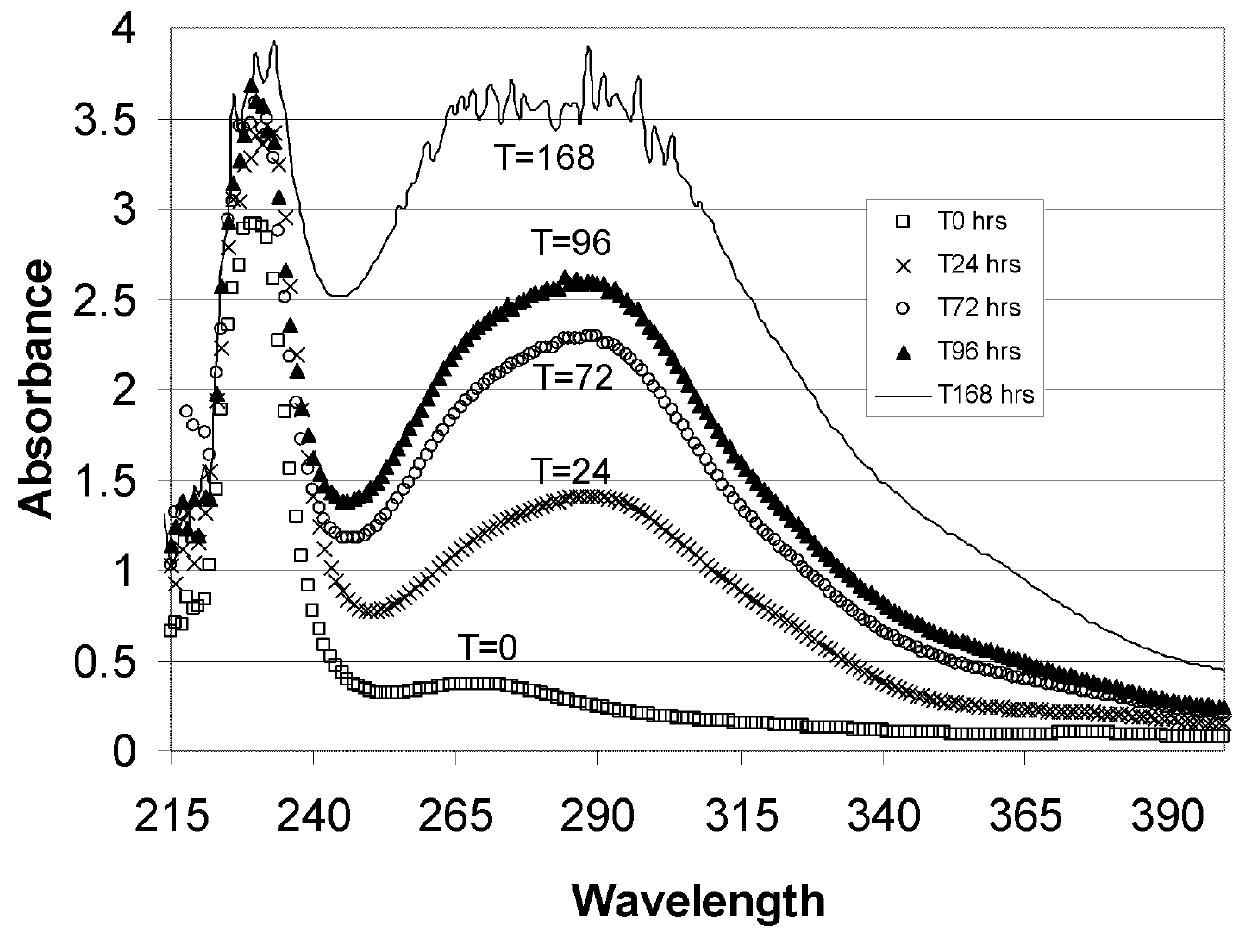
Examples
example 1
Determination of Active Agent Solubility
[0281]Comparative evaluation of the solubilization effect of various sulfoalkyl ether cyclodextrin compositions on pharmaceutical active agents was determined as follows. A 0.04 M stock solutions of each selected cyclodextrin was prepared with purified water. Clarity of solutions was determined by visual inspection or instrumentally. A clear solution is at least clear by visual inspection with the unaided eye. Each pharmaceutical active agent, tested in duplicate, was combined with 2 mL or 4 mL of a SAE-CD aqueous solution.
[0282]Pharmaceutical active agents were weighed in amounts in excess of their anticipated solubility, and placed in TEFLON®-lined screw-capped vials. The active agents were present in amounts of at least 3 mg / mL. Each vial was then filled with the appropriate amount of cyclodextrin solution (either 2 mL or 4 mL). The vials were vortexed and sonicated to aid in wetting the solids with the fluid. The vials were then placed on ...
example 2
Determination of Moisture Content
[0284]The following procedure was used to evaluate the moisture content of the alkylated cyclodextrins. Determinations were performed in duplicate on 250 mg of each using a Brinkman Karl-Fischer Coulometer (Brinkman Instruments Co., Ill.). A known weight of solid cyclodextrin was added to the Karl-Fischer Coulometer and the total amount of water in the sample is measured. The total amount of water present is then converted to a percentage of the solid to give the percent moisture content of the sample.
example 3
Analysis by Capillary Electrophoresis
[0285]The following procedure was used to analyze the SAE-CD derivative compositions by capillary electrophoresis. A Beckman P / ACE 2210 capillary electrophoresis system coupled with a UV absorbance detector (Beckman Instruments, Inc., Fullereton, Calif.) was used to analyze solutions of SBE-β-CD and SBE-γ-CD derivatives. The separations were performed at 25° C. using a fused silica capillary (having a 50 μm inner diameter, a total length of 57 cm, and an effective length of 50 cm) with a pH adjusted running buffer of 30 mM benzoic acid and 100 mM TRIS (tris-hydroxymethyl-aminomethanol).
[0286]The capillary was treated with the following wash sequence before each injection: water, 0.01 N NaOH, and running buffer. The detector was set at 214 nm. The voltage was 30 kV. Samples were introduced by pressure injections: 20 seconds at 0.5 psi.
PUM
| Property | Measurement | Unit |
|---|---|---|
| residual conductivity | aaaaa | aaaaa |
| path length | aaaaa | aaaaa |
| path length | aaaaa | aaaaa |
Abstract
Description
Claims
Application Information
 Login to View More