Mass pulse sensor and process-gas system and method

a mass pulse sensor and process gas technology, which is applied in the direction of valve arrangements, engine components, electrical apparatus, etc., can solve the problems of increasing the density and complexity of the device, accumulating errors in the device being manufactured, and traditional gas delivery, control and measurement technologies that exhibit response times of approximately 1 second

US20070224708A1Inactive Publication Date: 2007-09-27ULTRA CLEAN HLDG INC
39 Cites 8 Cited by

Patent Information

Authority / Receiving Office
US · United States
Current Assignee / Owner
Publication Date
2007-09-27
Estimated Expiration
Not applicable · inactive patent

Smart Images

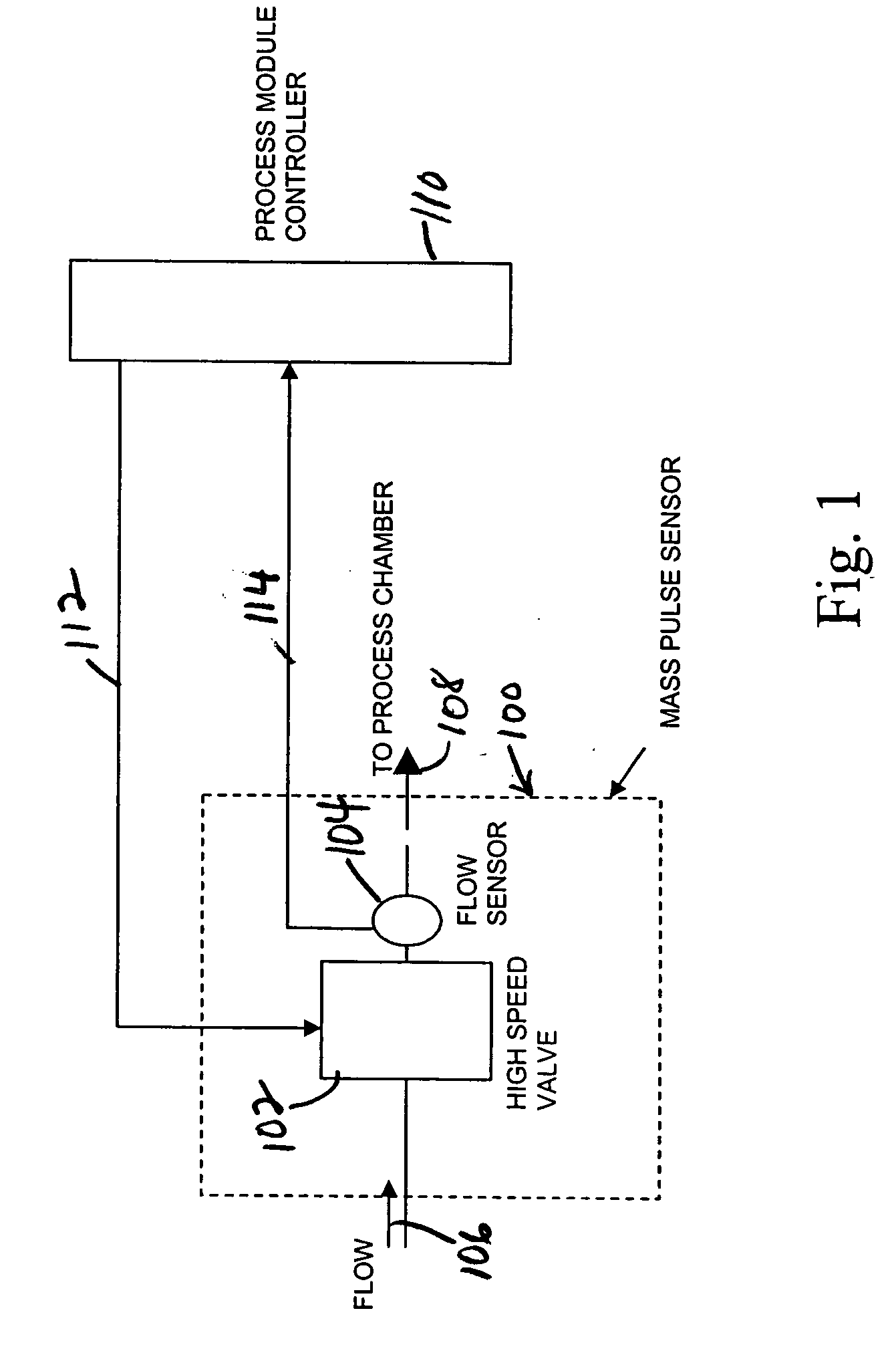
  • Figure 1
    Figure 1
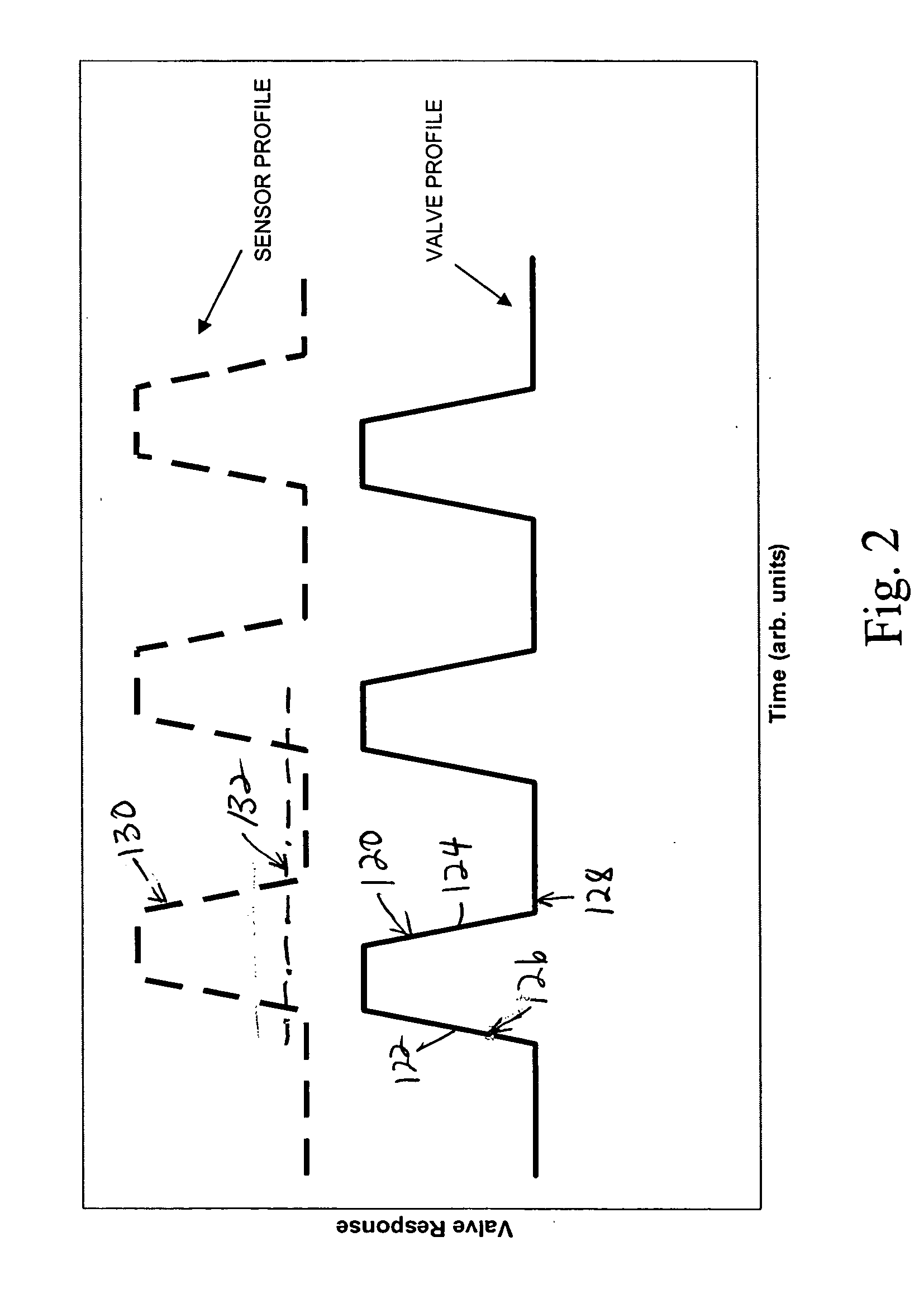
  • Figure 2
    Figure 2
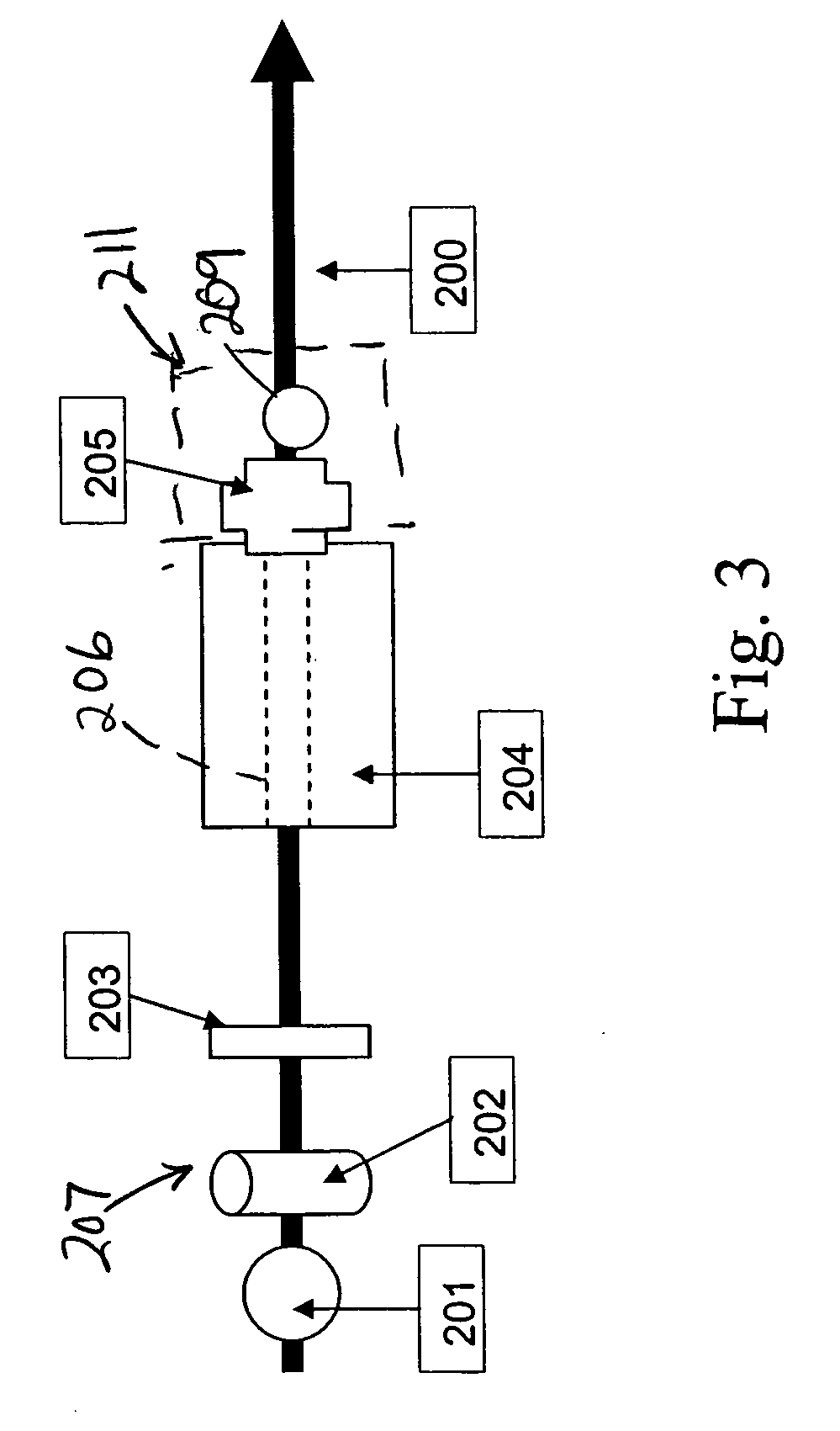
  • Figure 3
    Figure 3
Patent Text Reader

Abstract

An improved valve device, a valved process-gas apparatus, and a method for confirming operations in a gas-process system are disclosed. The valve device includes an electronically controlled valve designed to cycle between closed and open conditions, with closed-to-open and open-to-closed response times less than about 250 ms, to control the flow of a gas through the valve. A sensor disposed at the downstream side of the valve is operable to (i) detect the presence of at least a threshold amount of gas during the period of the valve's closed-to-open response, and (ii) to detect the absence of at least a threshold amount of gas after the period of the valve's open-to-closed response, thus confirming successful operation of the valve.
Need to check novelty before this filing date? Find Prior Art

Description

FIELD OF THE INVENTION

[0001] The present invention relates to a process-gas system and method having a mass-pulse sensor for controlling the supply of process gas in the system, and in particular, to a method and system for surface deposition requiring multiple and repeated substrate treatments with one or more process gases. BACKGROUND OF THE INVENTION

[0002] Advanced microelectronic devices are being manufactured with ever increasing device density and complexity. The device dimensions are decreasing in both the lateral and vertical directions. Smaller device elements allow for increasingly complex, faster, and more powerful devices.

[0003] A variety of microelectronic devices are made using advanced deposition techniques, such as atomic layer deposition (ALD), sequential layer deposition, cyclic layer deposition, and nano layer deposition (NLD), and the like, in which a substrate is successively and repeatedly treated with one or more process gases. The “time scale” of the react...

Examples

Embodiment Construction

[0018] The stringent requirements of the most advanced devices as well as projected future device devices have led to the development of advanced deposition techniques such as atomic layer deposition (ALD), sequential layer deposition, cyclic layer deposition, nano layer deposition (NLD), and the like. The “time scale” of the reactions used in these advanced deposition techniques is generally on the order of less than 1 second for each step. Traditional gas delivery, control, and measurement technologies that exhibit response times of approximately 1 second are not suitable for these technologies.

[0019] In the ALD process method, a substrate is exposed to a first precursor. Ideally, the precursor saturates the surface and forms a single monolayer on substrate. Excess amounts of the precursor do not react and are carried away through the system exhaust system. The process chamber is purged to remove the unreacted precursor and a second reactive gas is introduced. The second reactive...