
Carbon nanotube glazing technology
a carbon nanotube and glazing technology, applied in the direction of parallel plane units, transportation and packaging, coatings, etc., can solve the problems of low visible reflectance, difficult to identify specific combinations of film thicknesses and compositions, and difficult to provide glazing
- Summary
- Abstract
- Description
- Claims
- Application Information
AI Technical Summary
Problems solved by technology
Method used
Image

Examples
Embodiment Construction
[0032]The following detailed description is to be read with reference to the drawings, in which like elements in different drawings have like reference numbers. The drawings, which are not necessarily to scale, depict selected embodiments and are not intended to limit the scope of the invention. Skilled artisans will recognize that the given examples have many alternatives that fall within the scope of the invention.
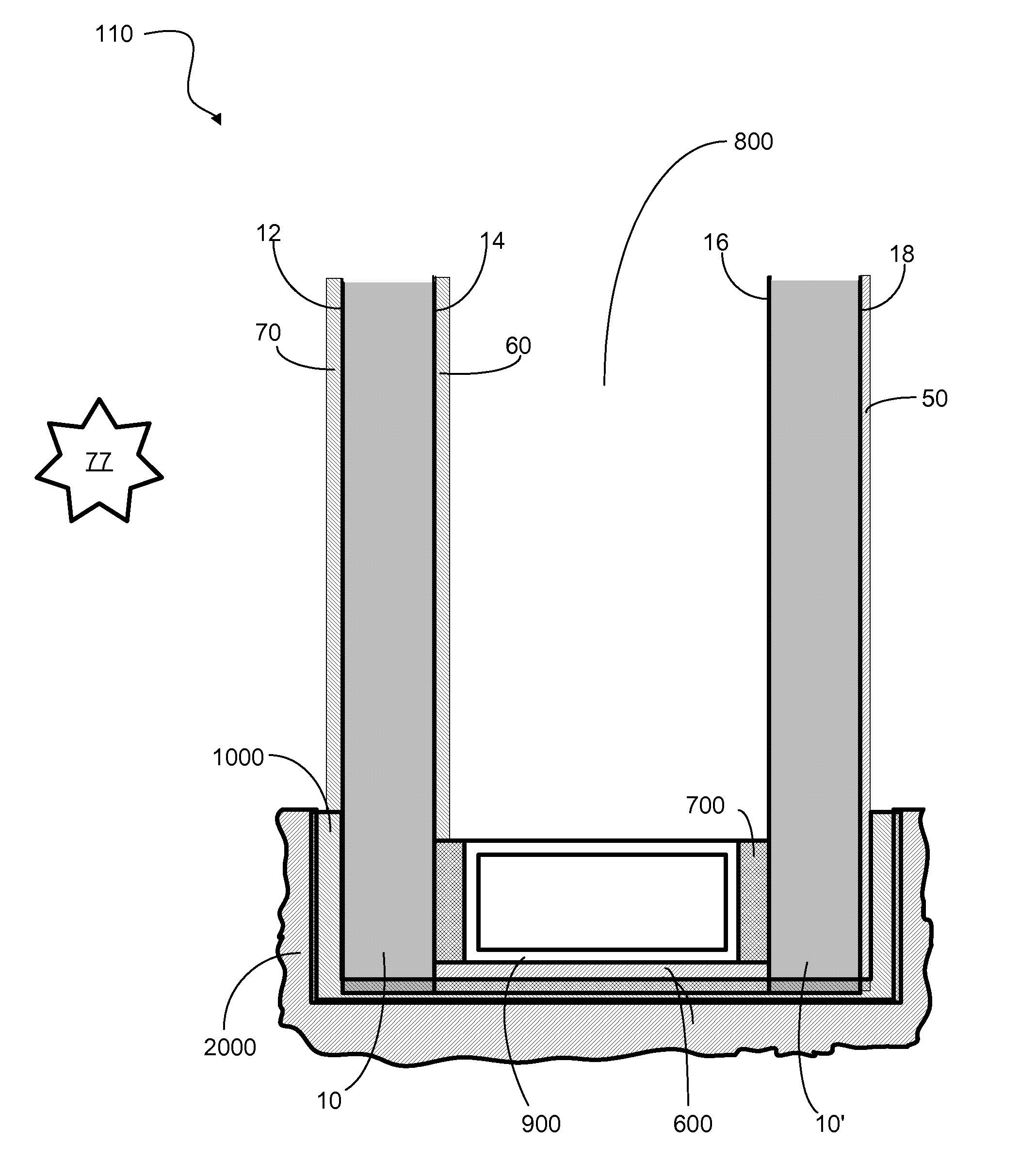
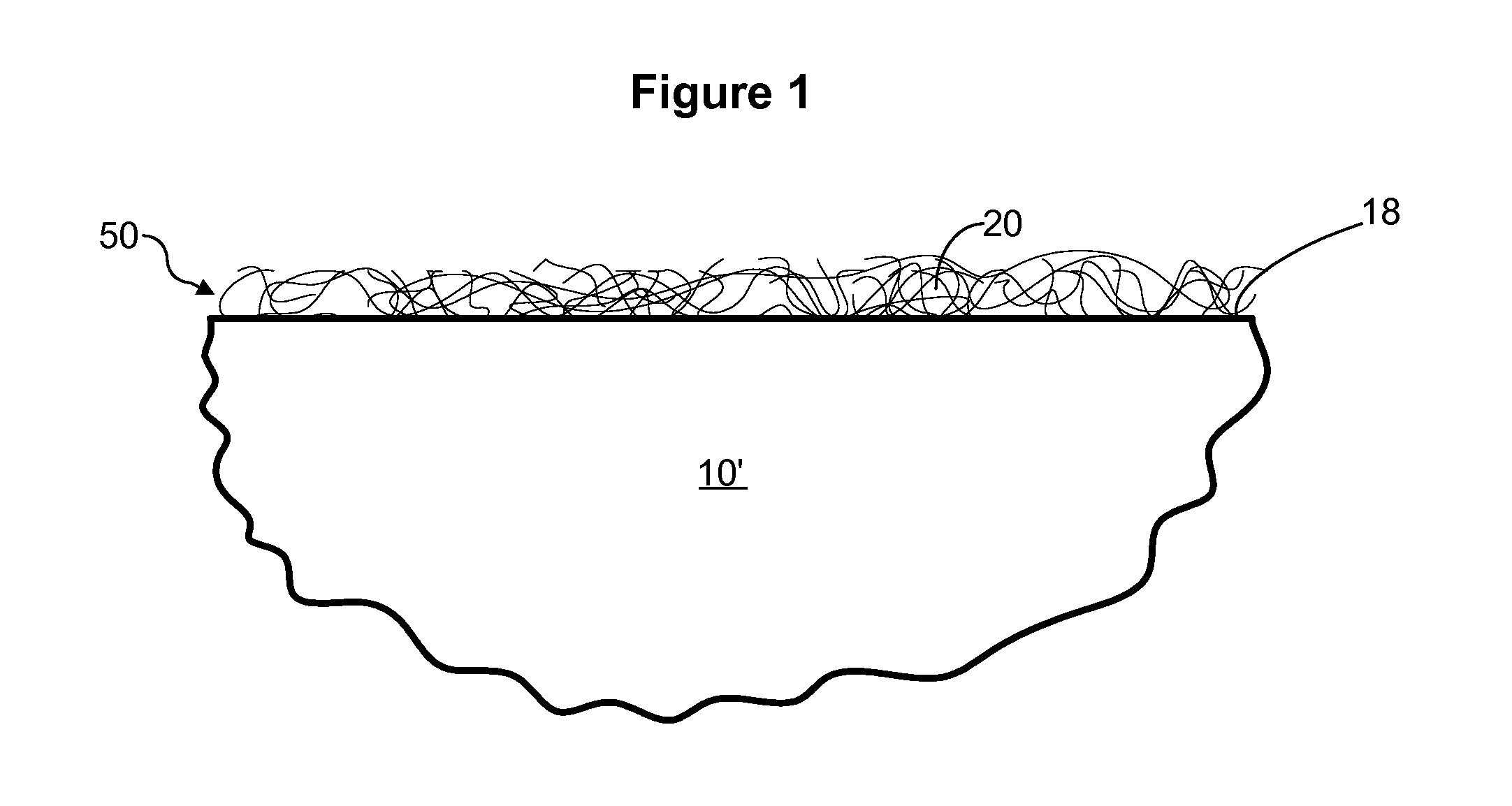
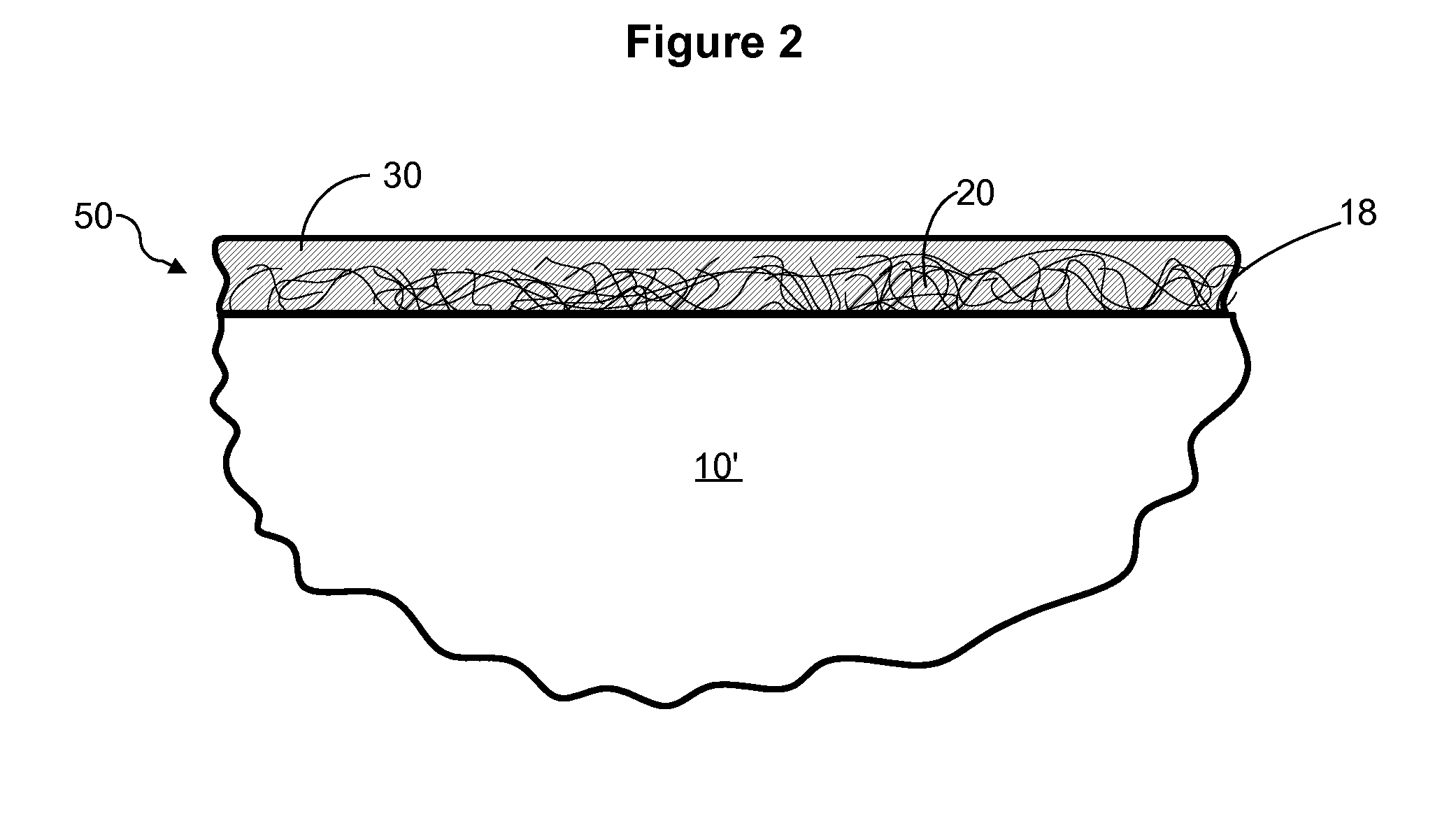
[0033]Many embodiments of the invention involve a coated substrate. A wide variety of substrate types are suitable for use in the invention. In some embodiments, the substrate 10, 10′ is a sheet-like substrate having generally opposed first 12, 16 and second 14, 18 major surfaces. For example, the substrate can be a sheet of transparent material (i.e., a transparent sheet). The substrate, however, is not required to be a sheet, nor is it required to be transparent.
[0034]The substrate can optionally be a component of any of a variety of building materials. Examples of ant...
PUM
| Property | Measurement | Unit |
|---|---|---|
| thickness | aaaaa | aaaaa |
| weight ratio | aaaaa | aaaaa |
| weight ratio | aaaaa | aaaaa |
Abstract
Description
Claims
Application Information
 Login to View More