Comprehensive engineering / operation system for electric vehicle and smart networked and decentralized power storage

US20100292877A1Inactive Publication Date: 2010-11-18GABRIELLE W LEE +1
9 Cites 88 Cited by

Patent Information

Authority / Receiving Office
US · United States
Current Assignee / Owner
Publication Date
2010-11-18
Estimated Expiration
Not applicable · inactive patent

Smart Images

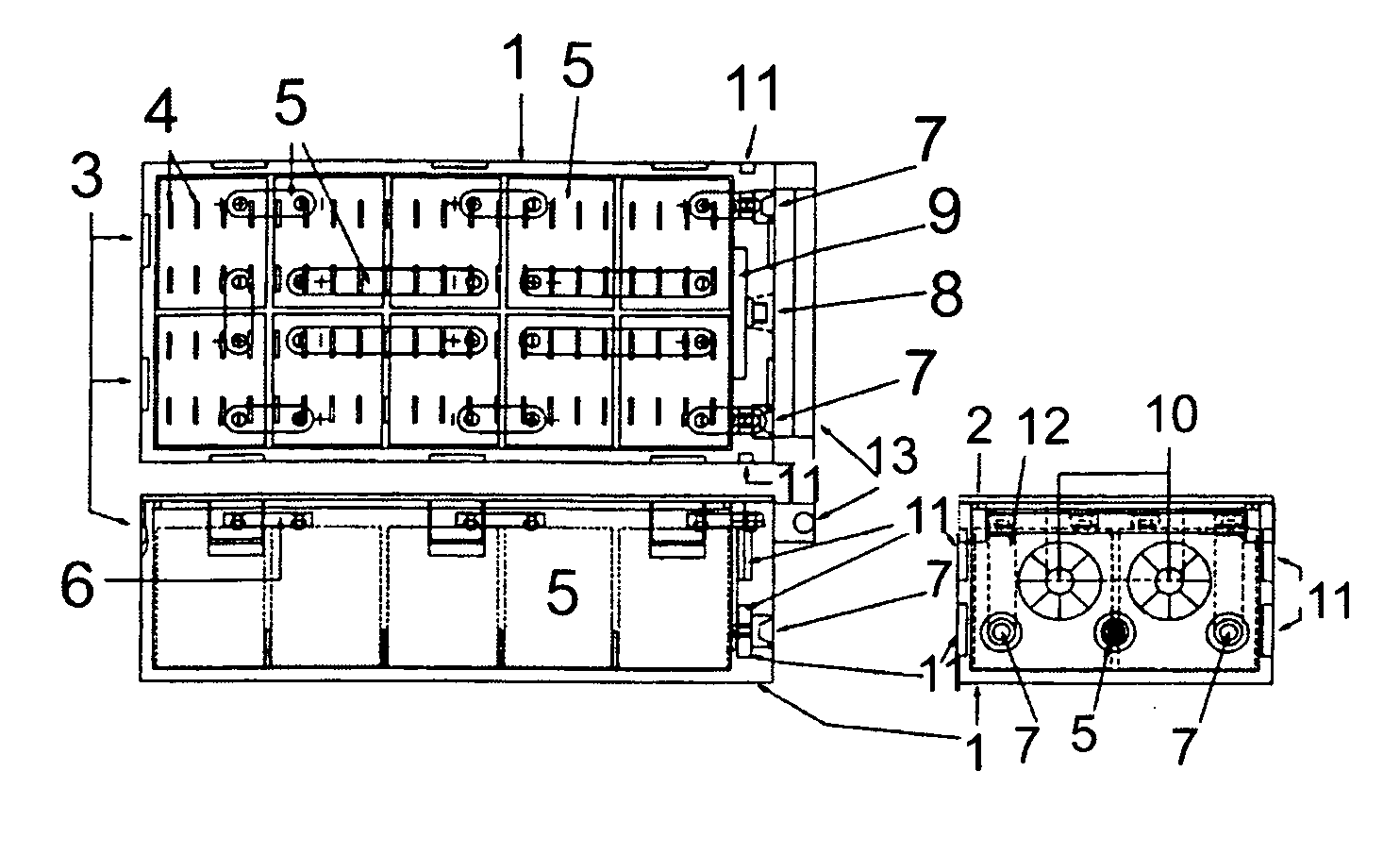
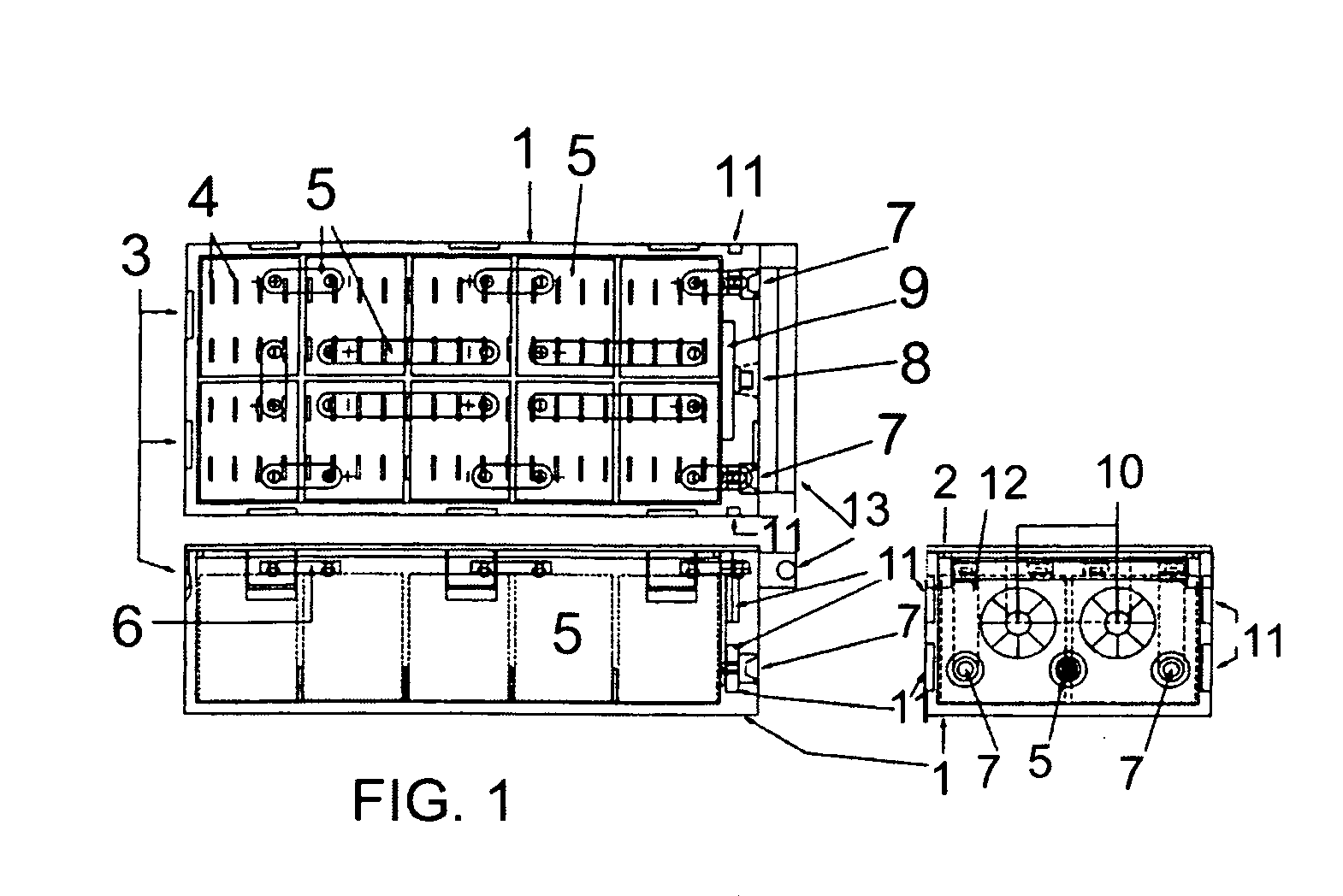
  • Figure 1
    Figure 1
  • Figure 2
    Figure 2
  • Figure 3
    Figure 3
Patent Text Reader

Abstract

Comprehensive, Systematic and Practical Engineering / Manufacture / Operation / Management System for Electric Vehicle with dual usage for Decentralized Smart Power Storage that includes: Smart Battery Subsystem (SBS), which includes the Smart Battery Assembly (SBA) with embedded computer / data logger and the Battery Compartment (BC) on the EV and in the Swapping Recharge Stations (RS); the computers on the EV and RS; hardware and software for the SBA Exchange / Recharge / Maintenance / Management / Billing Subsystem; the Smart Decentralized Energy Storage Subsystem for on-line, off-line and / or emergency uses. The SBA can be swapped at RS or recharged at home or any recharge stations, or dismounted / mounted easily in garage or during roadside service. The SBA could include the built-in charge controller and inverter. All the subsystems are indispensable parts or options for this invented integrated system.
Need to check novelty before this filing date? Find Prior Art

Description

CROSS-REFERENCE TO RELATED APPLICATIONS

[0001] This application claims the benefit of the filing date of U.S. Provisional Patent Application No. 61 / 216,489, filed May 18, 2009. The entire disclosure is that application is hereby expressly incorporated by reference herein.BACKGROUND

[0002] 1. Field of the Invention

[0003] The Electric Vehicles (EVs) have been widely utilized ever since the electric motor and the storage battery were invented and commercialized. These include golf carts and forklifts; electric buses running on the overhead electric supply cables and tram cars rolling on narrow rails; also the final electric motor propulsion is used in the diesel-electric locomotives, submarines and cruise ships. EVs are recognized for its low on-site emission of pollution, low noise, high efficiency, simple mechanical structure and the built-in regeneration ability to collect the inertia energy of a moving vehicle back to recharge the battery during deceleration and braking process. However...

Examples

Embodiment Construction

[0062]1. The cruise range of an EV becomes unlimited, just like the ICV, as far as the recharge / gas station network reaches. Only such system will make the EV acceptable by the public. By then, the ECVs and EVs will coexist, compete and become true choice for the public. The existing gas stations can opt to join the EV recharge network using their existing location, the real estate and personnel after some modification of the station and staff training.[0063]2. Energy regeneration is a built-in, inherent property of modern electric vehicles that uses the kinetic energy of the moving vehicle during the deceleration and braking to recharge the battery. Such energy would have been wasted as heat when there is no regeneration function.[0064]3. Although it should be a nonexclusive option to recharge the EV overnight at residential sites, office or hotel parking lots, it is not necessary to complicate the house, the apartment, the hotel and the office parking lot with recharge plug-in fac...