
Method and device for tightening joints
Patent Information
- Authority / Receiving Office
- US · United States
- Current Assignee / Owner
- Publication Date
- 2011-04-07
Smart Images
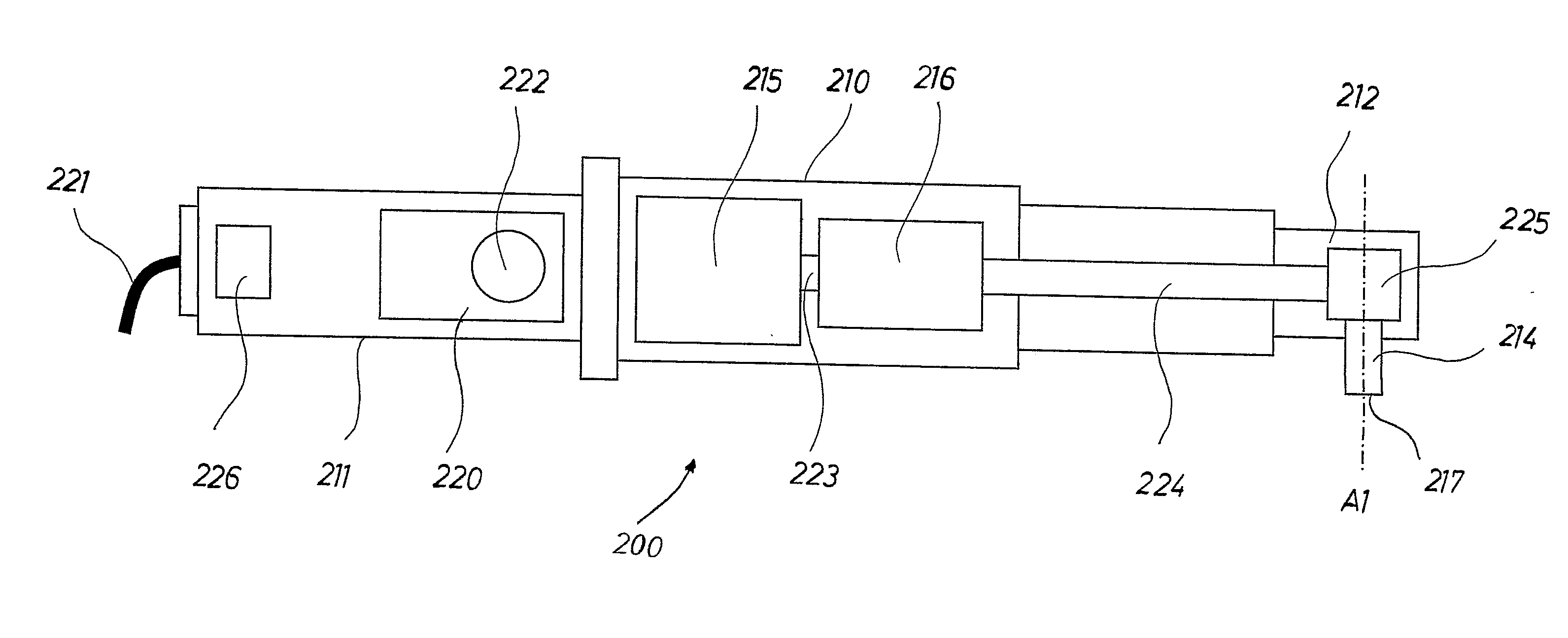
Figure 1 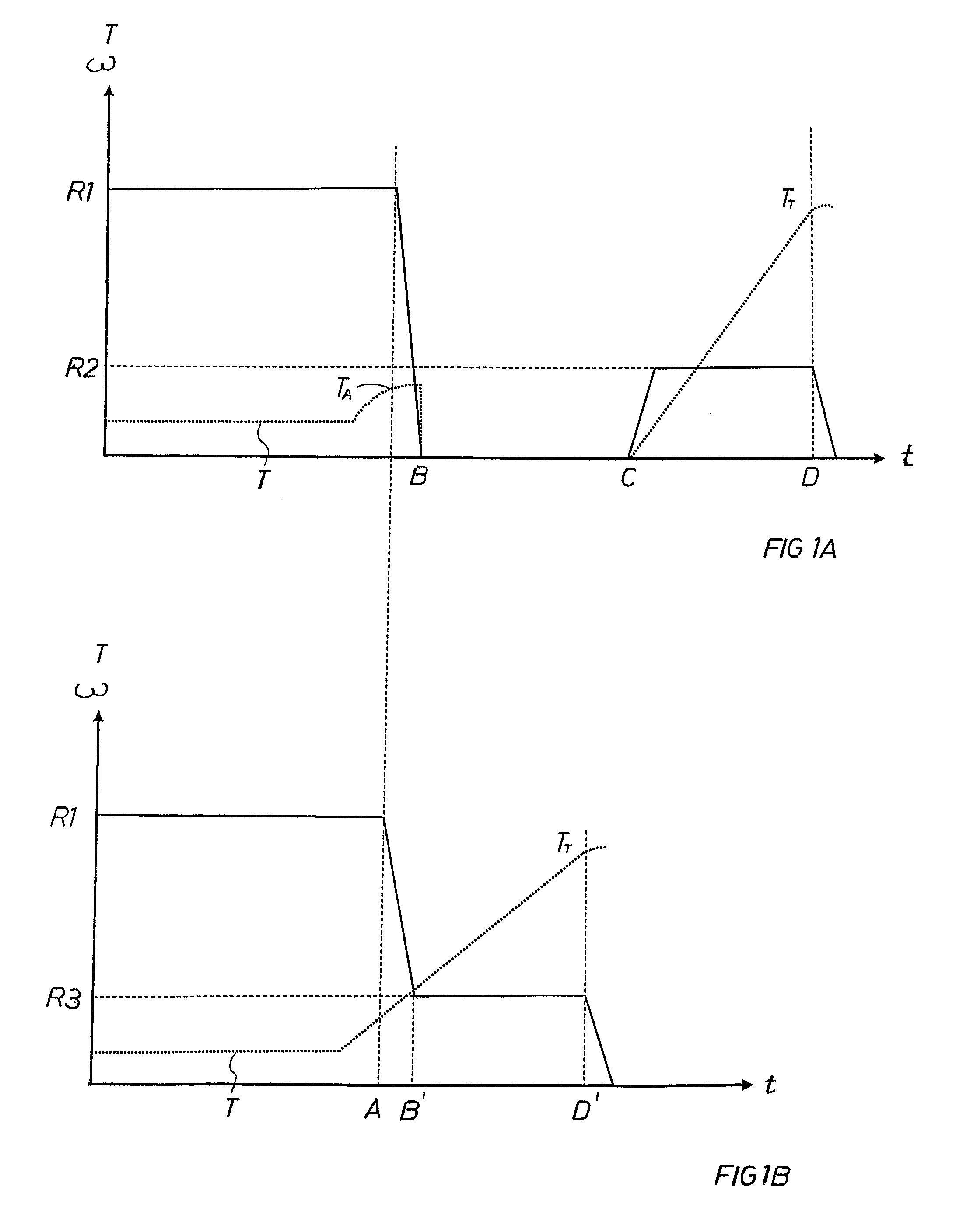
Figure 2 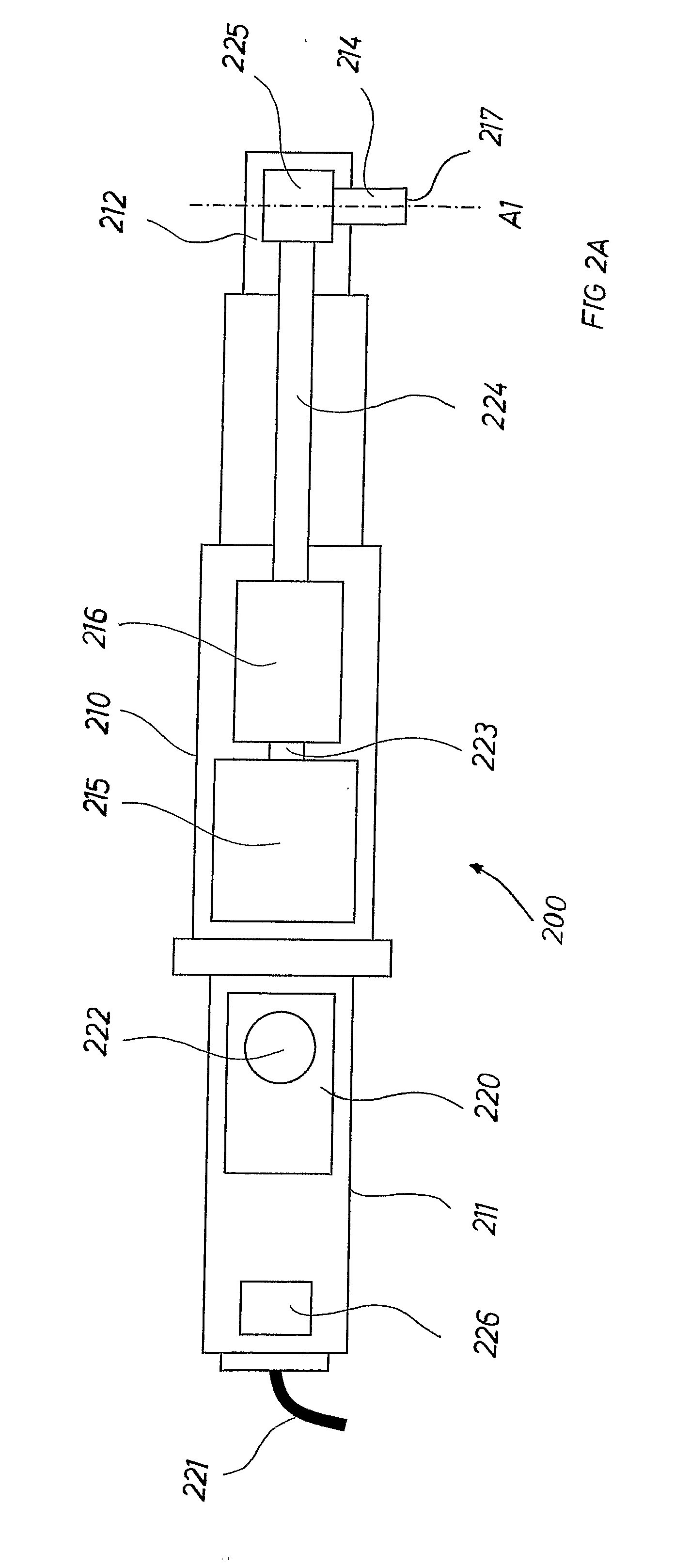
Figure 3
Abstract
Description
FIELD OF THE INVENTION
[0001] This invention relates to devices for tightening threaded fasteners to a desired tightening force or clamping force. In particular, the present invention relates to an electric assembly device for tightening of fasteners according to the preamble of claim 1. The present invention also relates to a method for tightening fasteners according to the preamble of claim 11.BACKGROUND OF THE INVENTION
[0002] The increasing requirement of rapid assembly in assembly plants such as manufacturing plants has resulted in the development of sophisticated assembly tools. For example, with regard to the tightening of joints, a threaded fastener such as a nut, screw or bolt often has to be rotated a number of turns with a relatively low torque prior to the fastener reaching a point where the joint actually starts to tighten and the torque thereby starts to rise.
[0003] Consequently, it is highly desirable that the initial threadening or running down phase can be carried out as...
Examples
Embodiment Construction
[0020]In order to clarify the advantages of the present invention, the above mentioned two prior art methods of tightening fasteners will first be briefly described with reference to FIGS. 1A-B.
[0021]In FIG. 1A is shown a graph of the variation in time of the tightening torque and the rotational speed of the tightening during a typical tightening process. The solid line represents the rotational speed of the tightening, and the dashed line represents the tightening torque. As can be seen in the figure, the method starts with a high, substantially constant rotational speed R1, which is maintained for as long as the tightening torque is below a first threshold TA, i.e. to point A in the figure. At point A it is consequently detected that the torque has started to rise, and when this is detected, the rotational speed of the tightening is reduced to zero, point B.
[0022]The point A can, is generally a point where the tightening torque quickly has started to rise in a manner that is detec...