
Use of liposomal WNT composition to enhance Osseointegration
a technology of liposomal wnt and composition, which is applied in the direction of drug compositions, animal/human proteins, peptide/protein ingredients, etc., can solve the problems of ineffective wnt in the water phase, and achieve the effects of accelerating osseointegration of implants, enhancing osteogenesis, and improving bone repair
- Summary
- Abstract
- Description
- Claims
- Application Information
AI Technical Summary
Benefits of technology
Problems solved by technology
Method used
Image

Examples
example 1
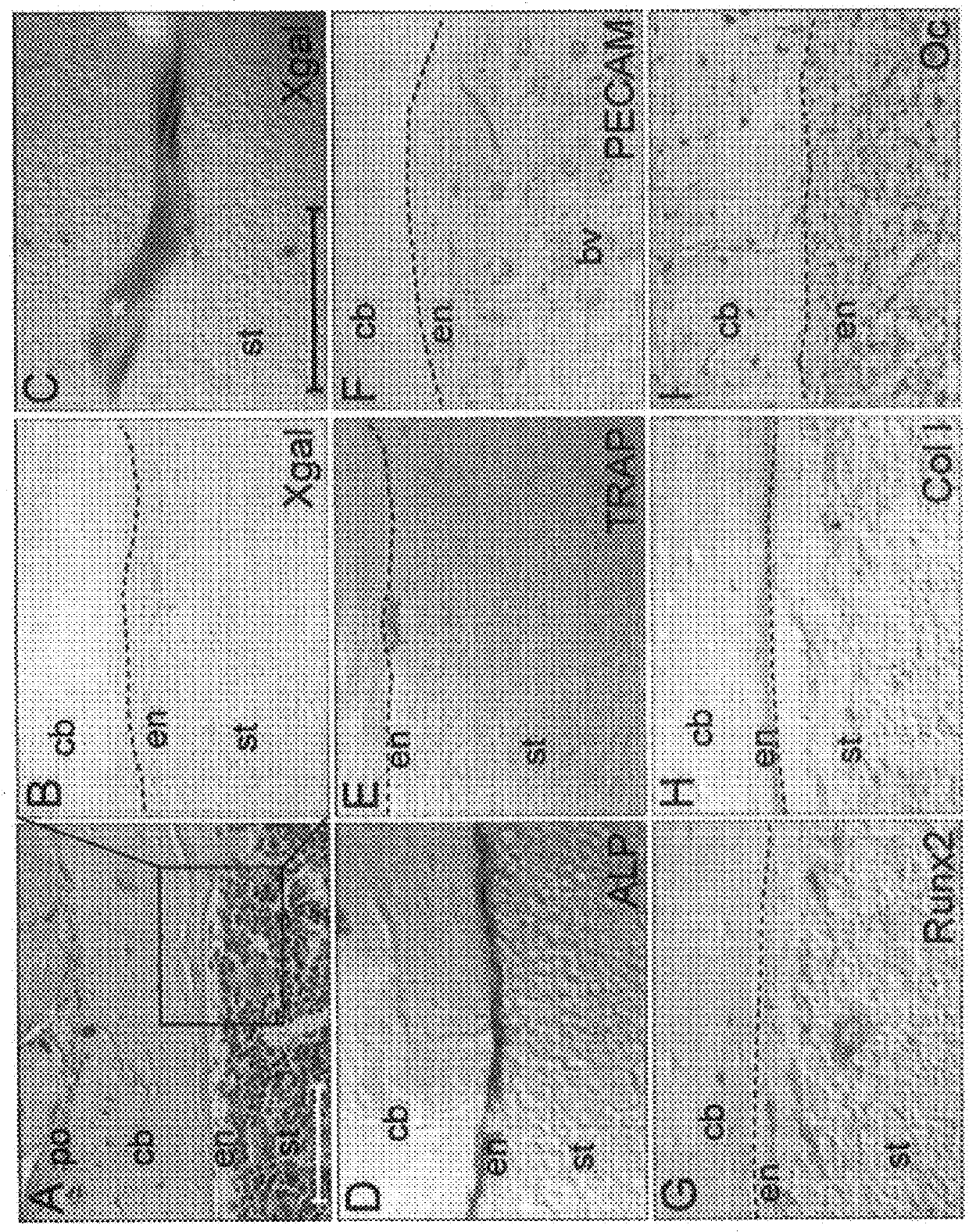
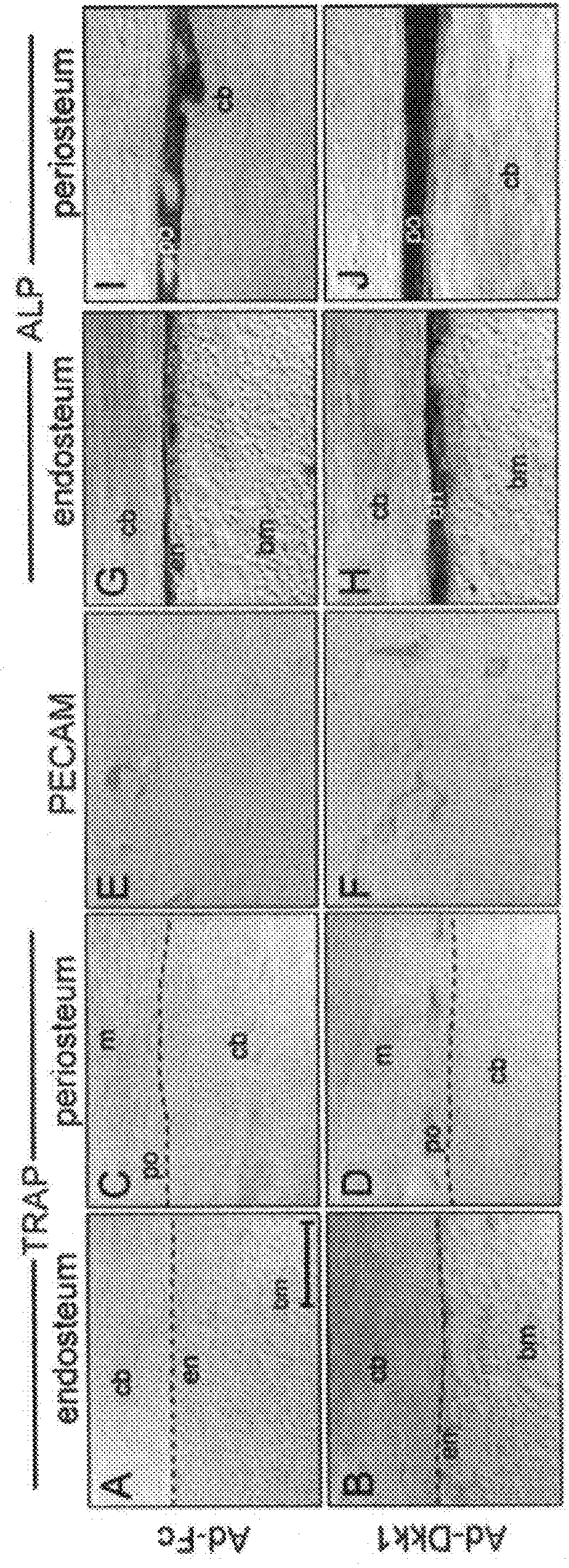
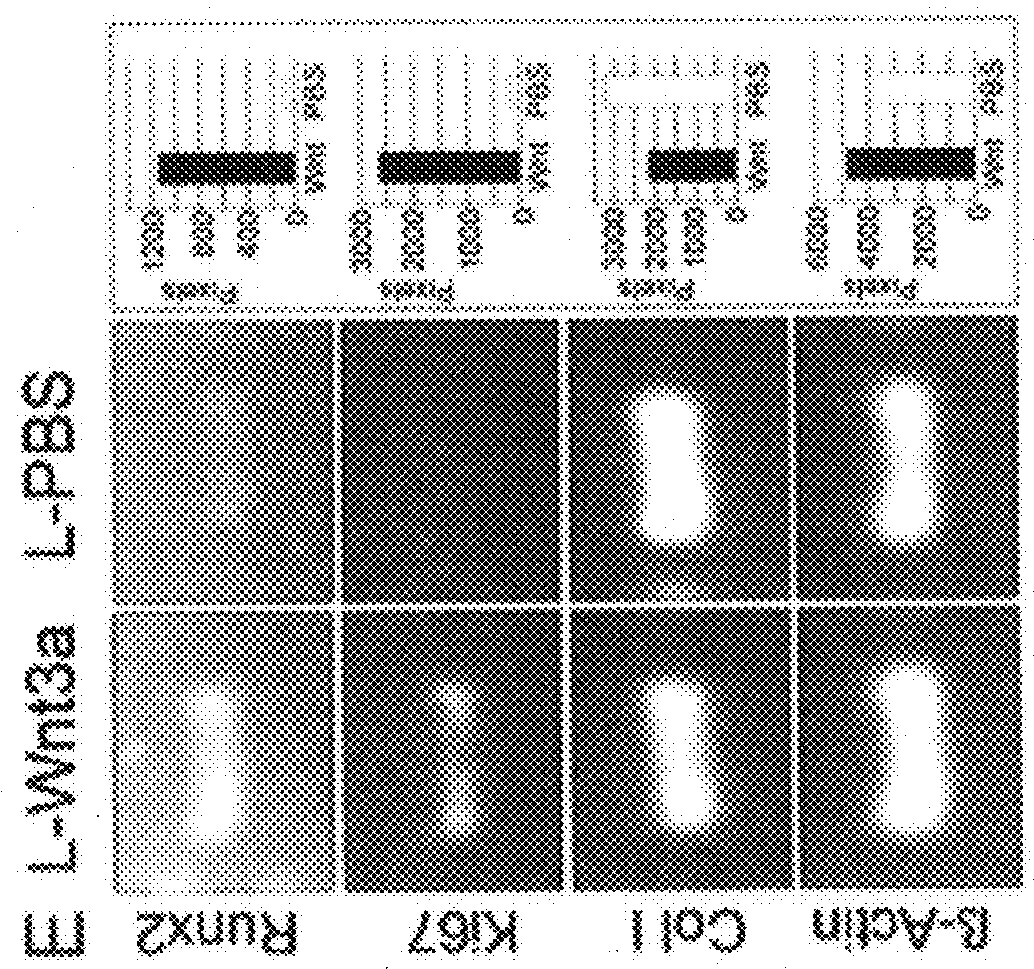
[0083]A protein-based strategy to stimulate implant osseointegration is provided. A pro-osteogenic effect is achieved by Wnt signals that promote osteoblast activation, inhibit osteoclast activity, and stimulate the differentiation of pluripotent stem cells towards an osteoblast cell fate.
Methods and Materials
[0084]In vivo Wnt responsiveness. Axin2LacZ / + mice were bred as described and the LacZ product, β-galactosidase, was detected by X-gal staining. Tissues were embedded in OCT followed by cryo-sectioning, then fixed with 0.2% glutaraldehyde for 15 min and stained with Xgal overnight at 37° C.
[0085]Implant Surgery. All procedures followed protocols approved by the Stanford Committee on Animal Research. Adult mice (males, between 3-5 months old) were anaesthetized with an intraperitoneal injection of Ketamine / Xylazine. An incision was made over the right anterior-proximal tibia and the tibial surface of the knee was exposed while the periosteal surface was preserved. A stainless st...
PUM
| Property | Measurement | Unit |
|---|---|---|
| time | aaaaa | aaaaa |
| time | aaaaa | aaaaa |
| time | aaaaa | aaaaa |
Abstract
Description
Claims
Application Information
 Login to View More