

Zero Overhead Block Floating Point Implementation in CPU's
a floating point and cpu technology, applied in digital data processing details, instruments, electric digital data processing, etc., can solve the problems of running out of mips or cycles, the control code for detecting the dynamic range of signals is not efficient, and the central processing unit architecture of digital signal processors does not support efficient block floating point processing on arrays
- Summary
- Abstract
- Description
- Claims
- Application Information
AI Technical Summary
Benefits of technology
Problems solved by technology
Method used
Image

Examples
Embodiment Construction
[0040]The embodiments herein and the various features and advantageous details thereof are explained more fully with reference to the non-limiting embodiments that are illustrated in the accompanying drawings and detailed in the following description. Descriptions of well-known components and processing techniques are omitted so as to not unnecessarily obscure the embodiments herein. The examples used herein are intended merely to facilitate an understanding of ways in which the embodiments herein may be practiced and to further enable those of skill in the art to practice the embodiments herein. Accordingly, the examples should not be construed as limiting the scope of the embodiments herein.
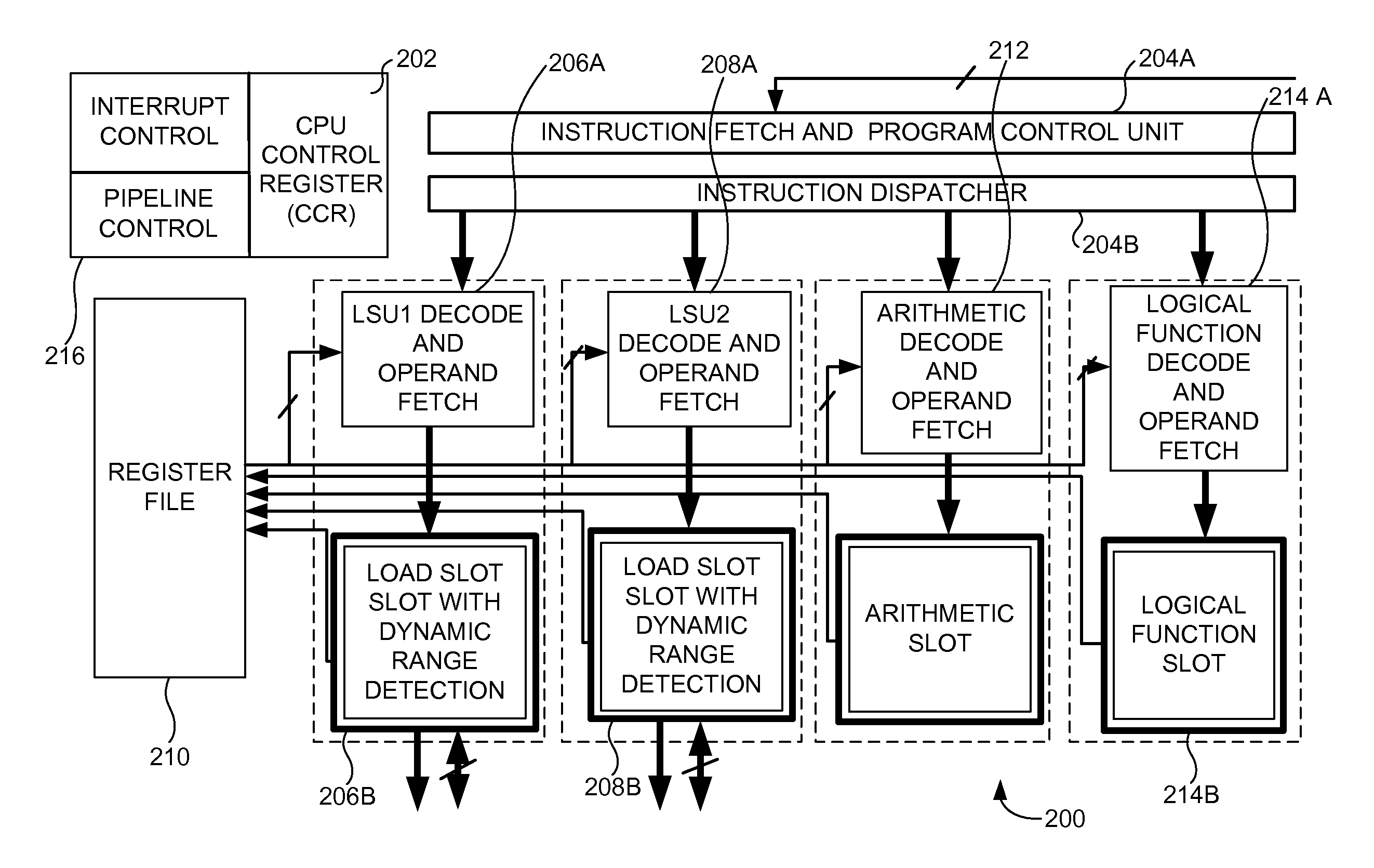
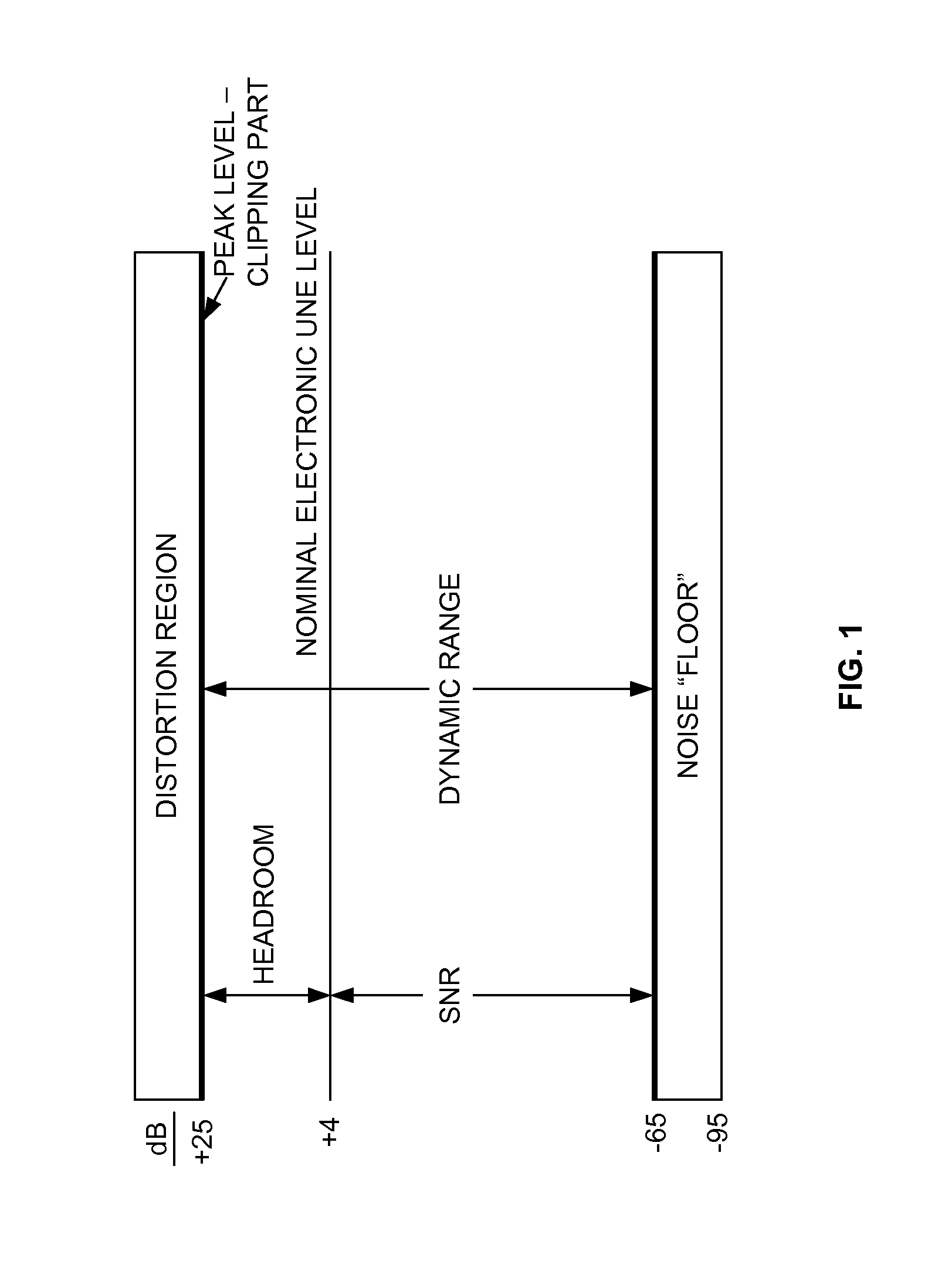
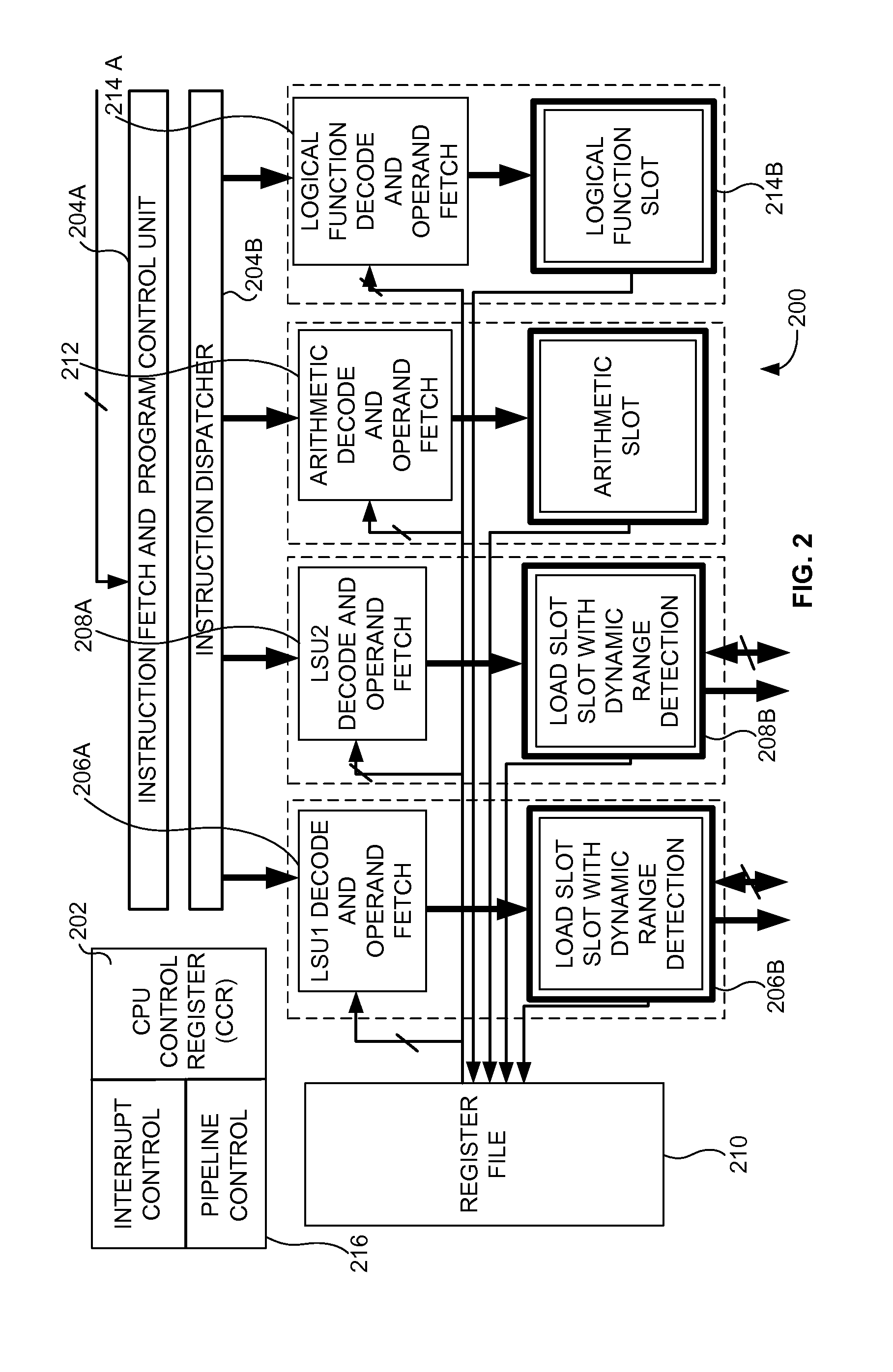
[0041]As mentioned, there remains a need for different types of digital signal processors (e.g., CPUs) like very long instruction word (VLIW) processors or superscalar or single-issue processors for Software defined radio subsystem or for receivers. The embodiments herein achieve this by provid...
PUM
 Login to View More
 Abstract
Description
Claims
Application Information
 Login to View More