
Detecting stored cross-site scripting vulnerabilities in web applications
a cross-site scripting and vulnerability detection technology, applied in the field of computer software analysis and testing, can solve problems such as unwanted or unauthorized actions to be performed at or by the client computer, malicious attacks on the internet-based computer software applications, and unauthorized memory use protection
- Summary
- Abstract
- Description
- Claims
- Application Information
AI Technical Summary
Benefits of technology
Problems solved by technology
Method used
Image


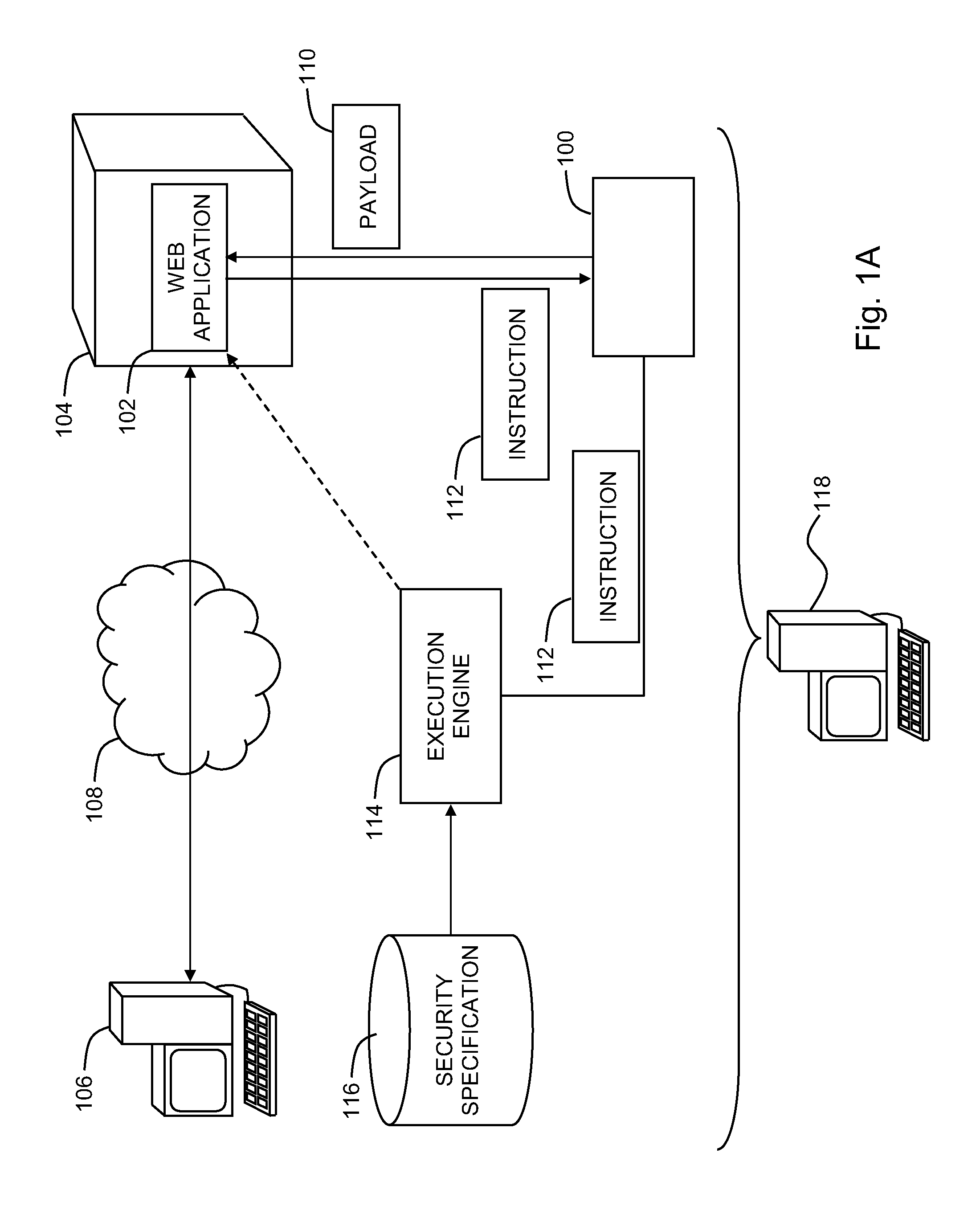
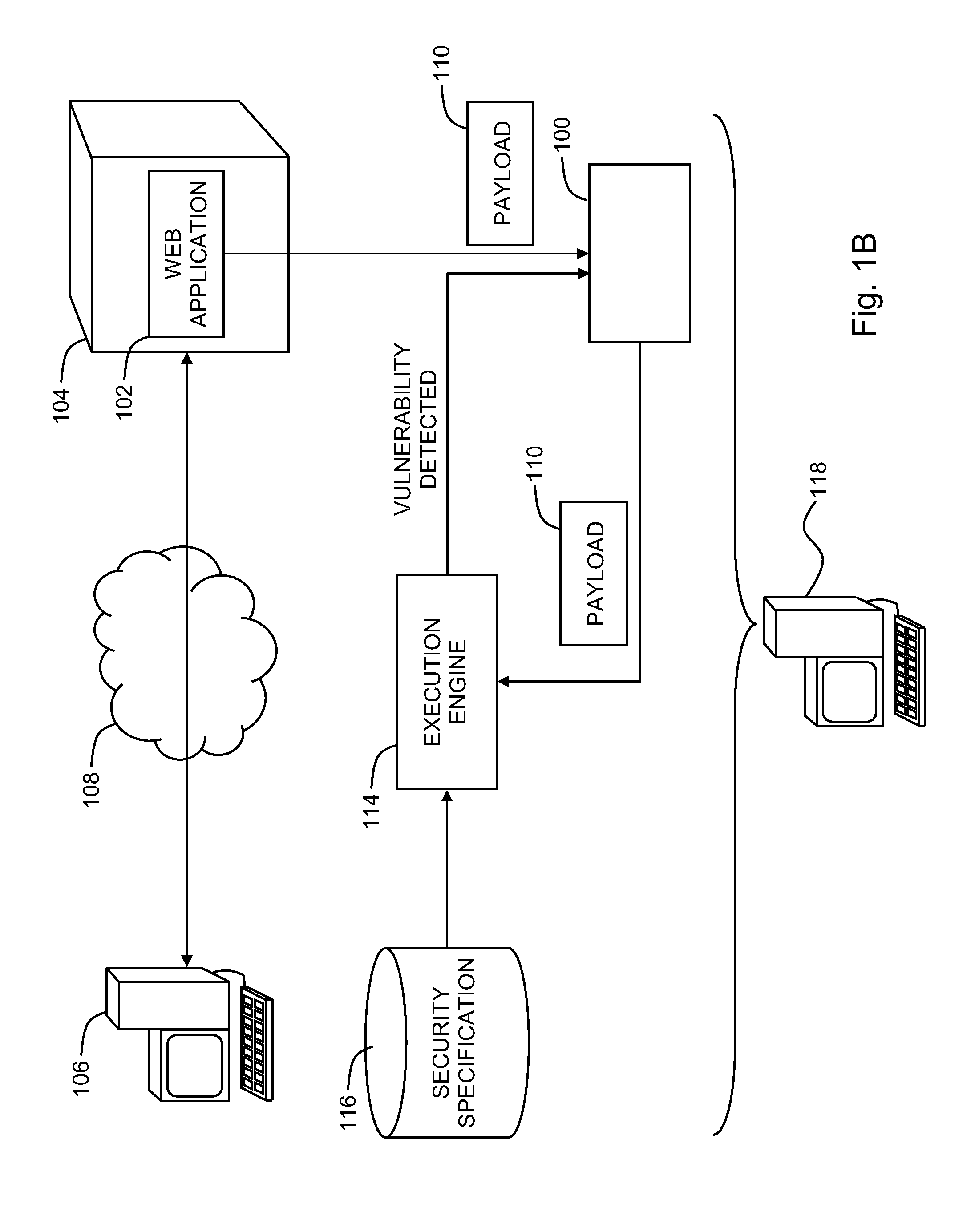
Examples
Embodiment Construction
[0012]The invention is now described within the context of one or more embodiments, although the description is intended to be illustrative of the invention as a whole, and is not to be construed as limiting the invention to the embodiments shown. It is appreciated that various modifications may occur to those skilled in the art that, while not specifically shown herein, are nevertheless within the true spirit and scope of the invention.
[0013]As will be appreciated by one skilled in the art, aspects of the present invention may be embodied as a system, method or computer program product. Accordingly, aspects of the present invention may take the form of an entirely hardware embodiment, an entirely software embodiment (including firmware, resident software, micro-code, etc.) or an embodiment combining software and hardware aspects that may all generally be referred to herein as a “circuit,”“module” or “system.” Furthermore, aspects of the present invention may take the form of a comp...
PUM
 Login to View More
 Abstract
Description
Claims
Application Information
 Login to View More