Battery Pack with Integrated Thermal Management

US20220069386A1Pending Publication Date: 2022-03-03L7 DRIVE OY
0 Cites 0 Cited by

Patent Information

Authority / Receiving Office
US · United States
Current Assignee / Owner
Publication Date
2022-03-03

Smart Images

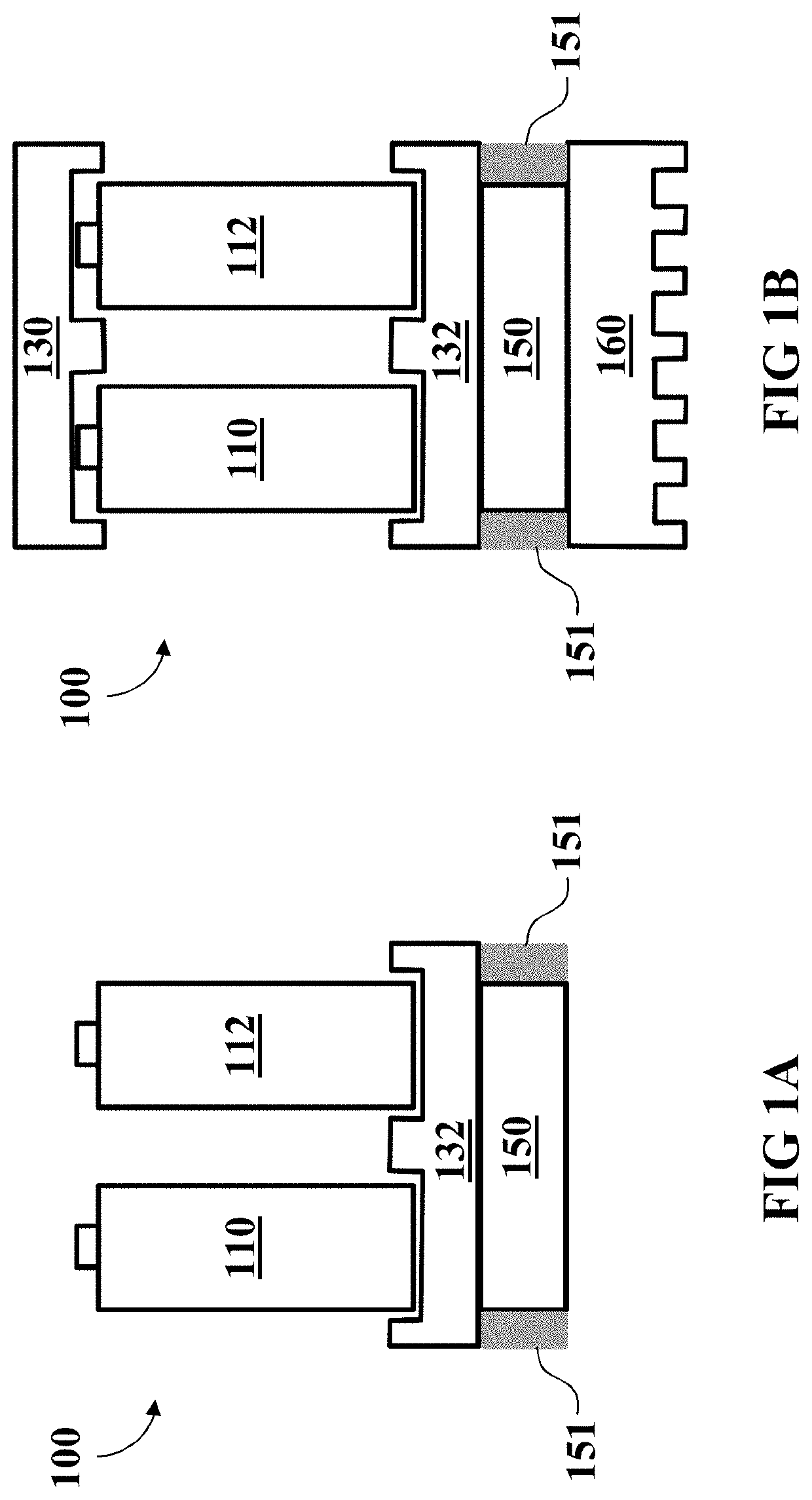
  • Figure 1
    Figure 1
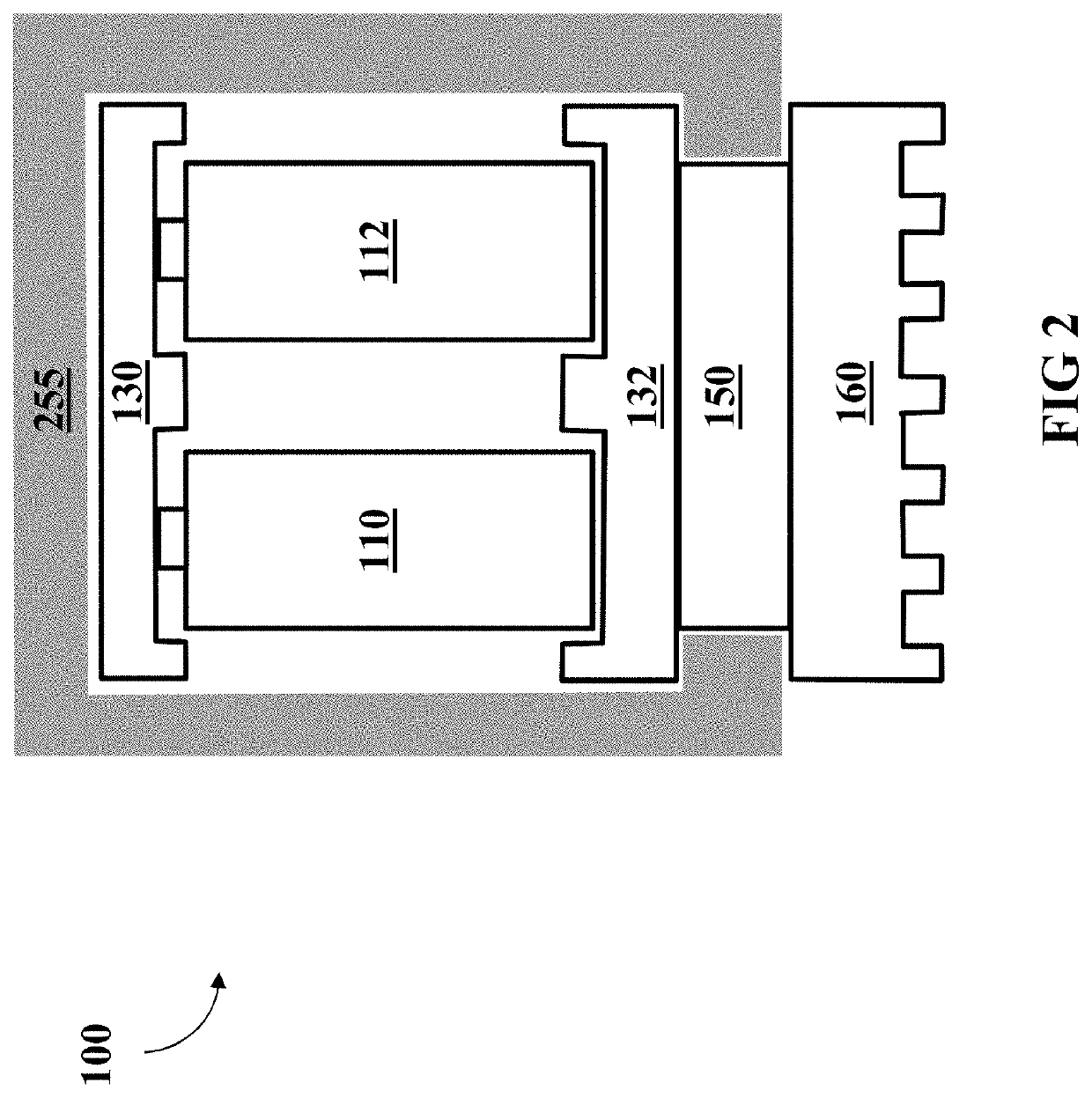
  • Figure 2
    Figure 2
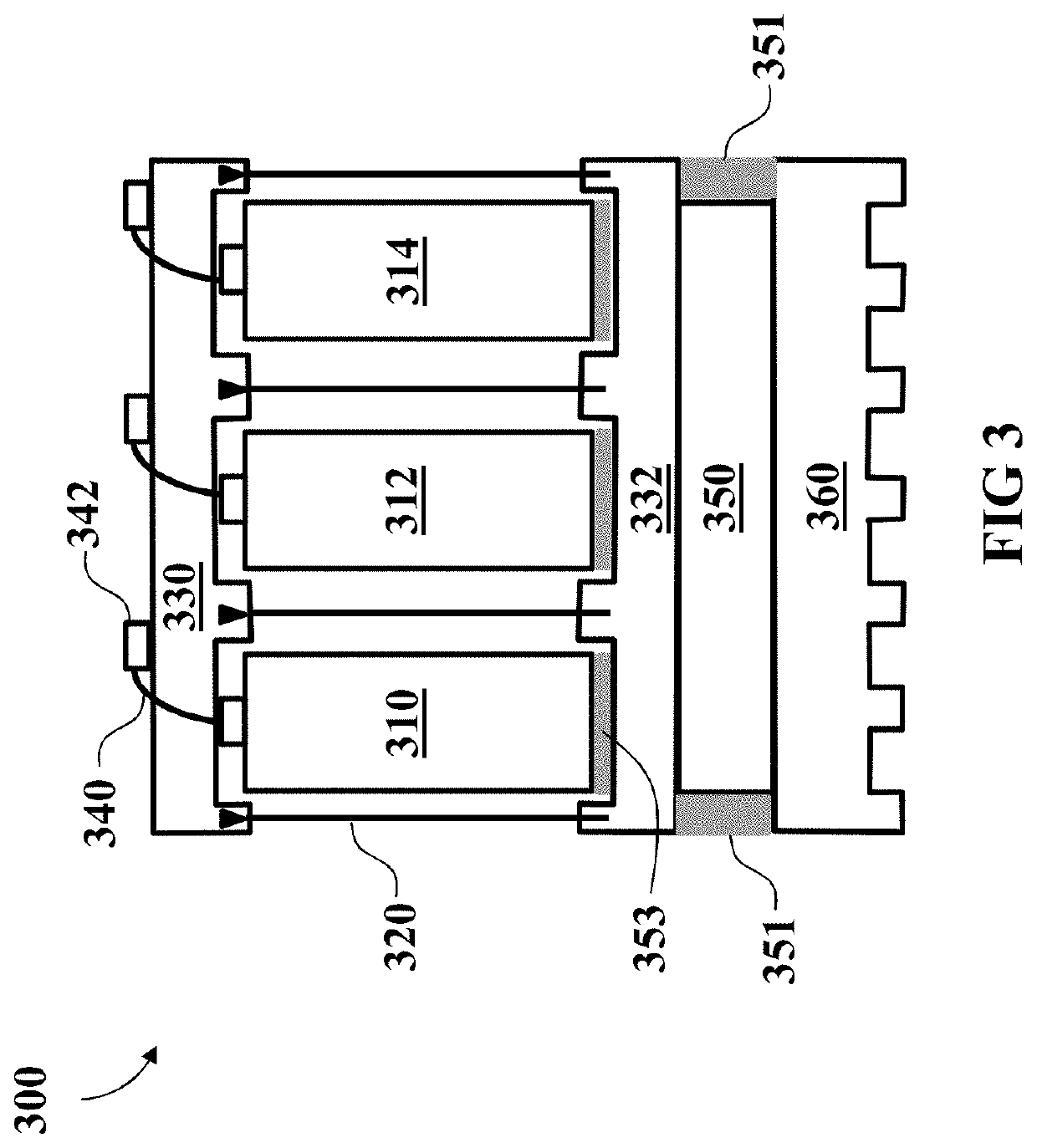
  • Figure 3
    Figure 3
Patent Text Reader

Abstract

According to an example aspect of the present invention, there is provided a battery pack 100 having integrated thermal management. The battery pack contains a plurality of batteries 110, 112; a base plate 132 affixed to at least one terminal of each battery; a thermoelectric element 150 affixed to the base plate, and thermal insulation 151 on at least two sides of the thermoelectric element 150 adjacent the base plate 132.
Need to check novelty before this filing date? Find Prior Art

Description

BACKGROUND

[0001] Previously thermal management of battery packs has been provided by bulky and often unreliable systems which rely on forced air or complicated liquid cooling systems to remove heat from a battery pack under load or warm a battery pack in cold ambient conditions. Such thermal management solutions were difficult to integrate with battery packs and often were a completely separate system.

[0002] Battery packs employed within light electric vehicles, especially those designed for swapping in and out of such vehicles, have provided unique problems with thermal management. The packs are often charged outside of the vehicles and as such both the battery chargers and vehicles themselves required thermal management systems. Further, battery packs designed to be easily swapped between devices often have a rather high rated current and thus produce more heat during charging and use. Despite this increased demand for thermal management, it is difficult, if not impossible to employ...

Examples

Embodiment Construction

[0011]Embodiments of the present invention provide for an integrated thermoelectric element to heat and cool a battery pack. Such an integrated thermal management solution proves especially beneficial as many embodiments avoid the use of convective heating or cooling and thus allow for use in a wider range of ambient conditions. For example, a battery pack according to at least some embodiments of the present invention could maintain optimal thermal conditions for the batteries even when ambient conditions range from −40° C. to +60° C.

[0012]By insulating the thermoelectric element on at least two sides, battery packs having integrated thermal management according to embodiments of the present invention prevent unwanted heat transfer and allow for efficient use of a thermoelectric element.

[0013]Furthermore, embodiments of the present invention allow for thermal insulation of the majority of the battery pack such that only the heat, created by charging or discharging the battery, need...