pneumatic tire

A technology for pneumatic tires and bead cores, applied to the reinforcement layer of pneumatic tires, tire parts, bead edges, etc., which can solve the problems of rubber bareness and achieve excellent durability

CN104736358BActive Publication Date: 2016-08-24THE YOKOHAMA RUBBER CO LTD
8 Cites 0 Cited by

Patent Information

Authority / Receiving Office
CN · China
Patent Type
Patents(China)
Current Assignee / Owner
Publication Date
2016-08-24

Smart Images

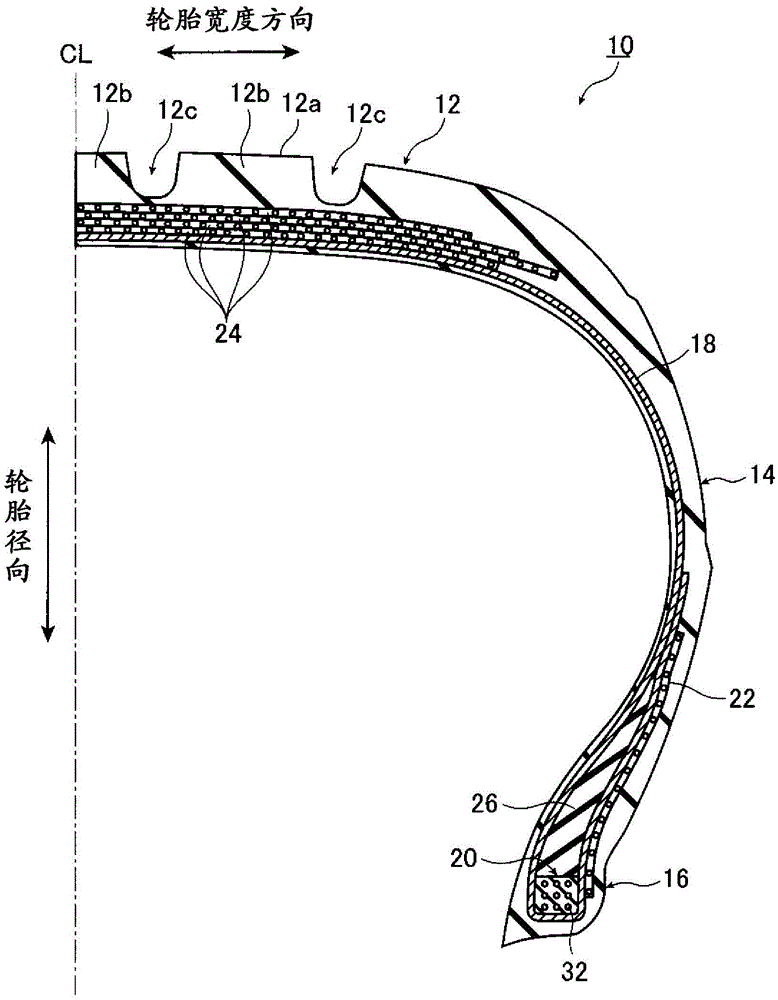
  • Figure 1
    Figure 1
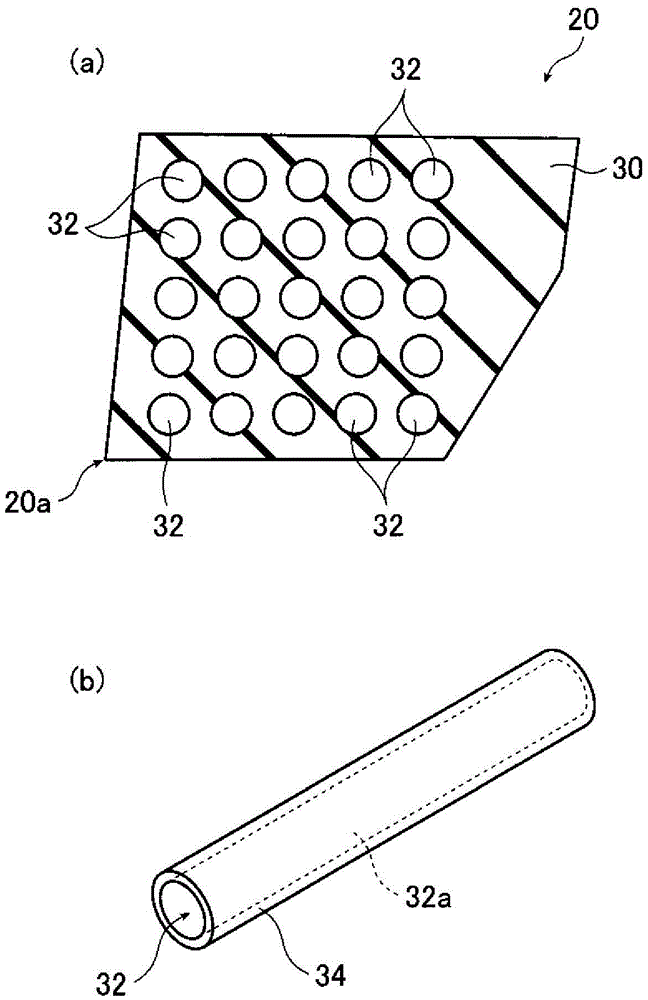
  • Figure 2
    Figure 2
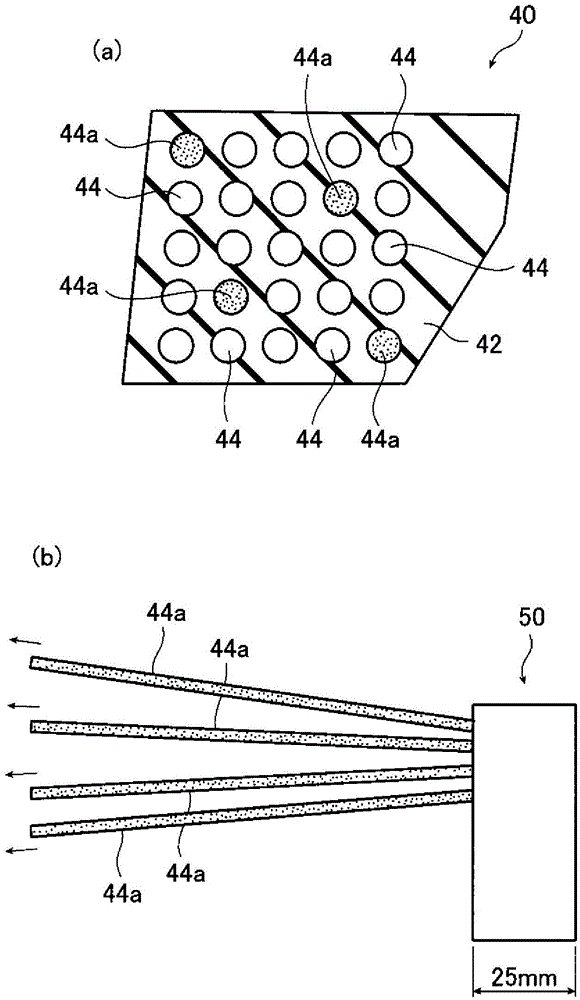
  • Figure 3
    Figure 3
Patent Text Reader

Abstract

In the present invention, a pneumatic tire uses bead wires on which a coumarone resin film is formed. The coumarone resin constituting the coumarone resin film has a melting point of 75°C or greater and equal to or less than the heating temperature (°C), and the amount of coumarone resin coated over the bead wires is 0.04 to 0.08 g / wire kg / wire mm. The heating temperature is the heating temperature of the bead wires when the bead cores are manufactured, and is preferably 90 to 110°C. The melting point of the coumarone resin is preferably 75°C or more and equal to or less than -5°C less than the heating temperature (°C).
Need to check novelty before this filing date? Find Prior Art

Description

technical field

[0001] The present invention relates to a pneumatic tire using a bead wire formed with a coumarone resin film, and more particularly to a pneumatic tire in which the melting point and coating amount of the coumarone resin are set within predetermined ranges, Therefore, it is possible to manufacture in a good working environment, and by improving the adhesion between the rubber composition in an unvulcanized state and the bead wire to prevent rubber baldness, the durability is excellent. Background technique

[0002] Currently, a bead wire made of high-carbon steel excellent in strength and rigidity is used as a reinforcing material in the bead portion of tires such as automobiles. The adhesion between the bead wire (reinforcing material) and the rubber is very important. If the two are firmly bonded, for example, due to heat or moisture generated when the tire is running, the adhesion to the rubber will decrease. The bead wire Peeling from the rubber sometim...

Examples

Embodiment

[0075] The pneumatic tire of the present invention will be specifically described.

[0076] In this example, the bead wires of Conventional Examples 1 and 2, Examples 1 and 2, and Comparative Examples 1 to 4 having the structures shown in Table 1 below were used to produce image 3 The bead core 40 shown in (a) is then manufactured into a tire. in addition, image 3 The basic structure of the bead core 40 shown in (a) and figure 2 The bead core 20 shown in (a) is the same.

[0077] Regarding each of Conventional Examples 1 and 2, Examples 1 and 2, and Comparative Examples 1 to 4, the work environment, rubber baldness resistance, and tire adhesiveness were evaluated. Table 1 below shows the results of the working environment, rubber baldness resistance, and tire adhesiveness.

[0078] In the bead core 40, the rubber composition 42 mainly contains the following substances. Substances mainly contained in the rubber composition 42 include NR, SBR, CB, calcium carbonate, alum...