Method for preparing quick magnetic separation electrochemistry immunosensor and method for detecting staphylococcus aureus

An immunosensing and staphylococcus technology, applied in the field of biosensing, can solve the problems of high dependence on automated instruments and high detection costs, and achieve the effects of good practicability, strong biological affinity and good specificity

CN105203756AInactive Publication Date: 2015-12-30JIANGSU UNIV
4 Cites 7 Cited by

Patent Information

Authority / Receiving Office
CN · China
Patent Type
Applications(China)
Current Assignee / Owner
Publication Date
2015-12-30
Estimated Expiration
Not applicable · inactive patent

Smart Images

  • Figure 1
    Figure 1
  • Figure 2
    Figure 2
  • Figure 3
    Figure 3
Patent Text Reader

Abstract

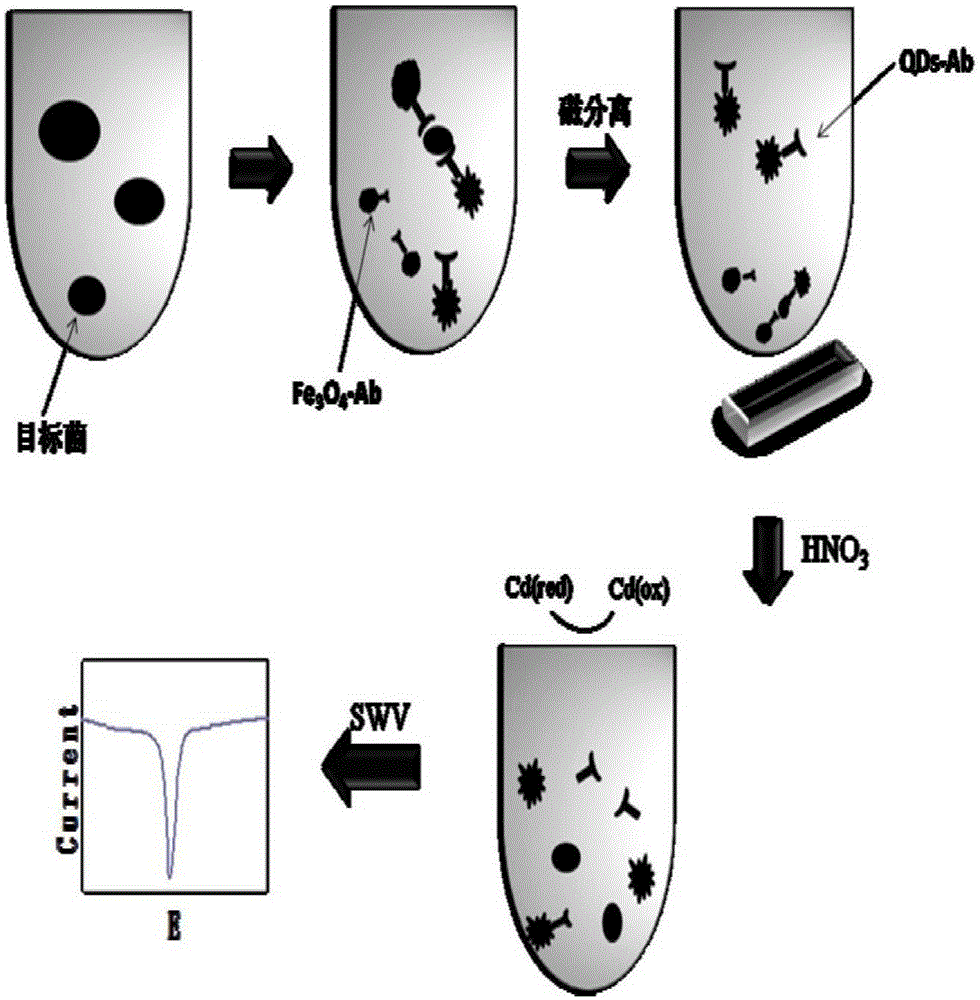
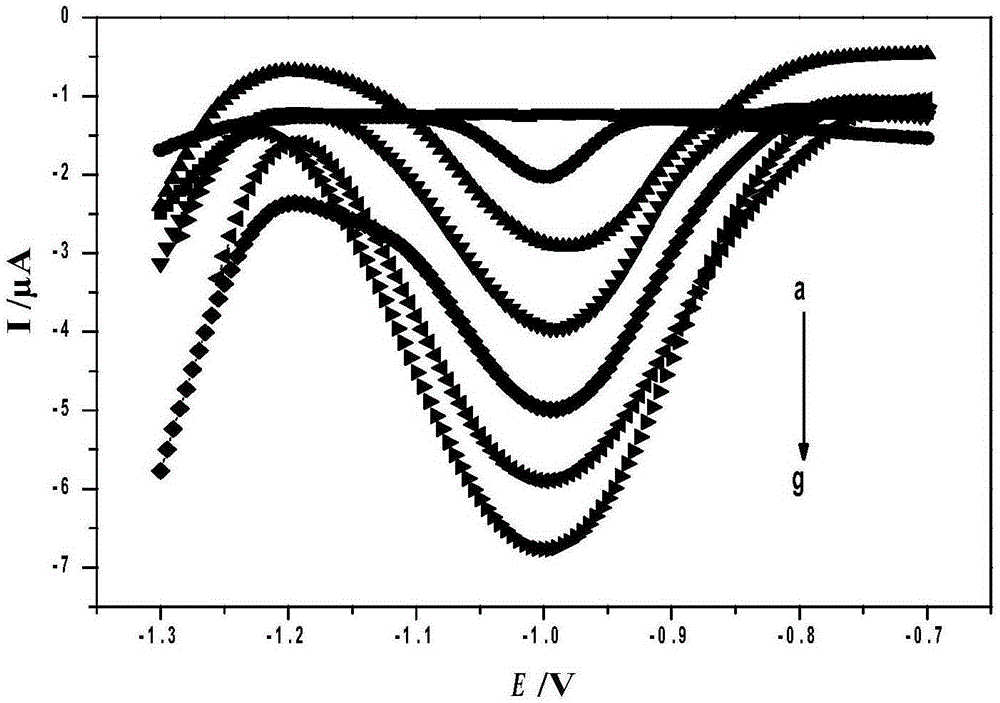
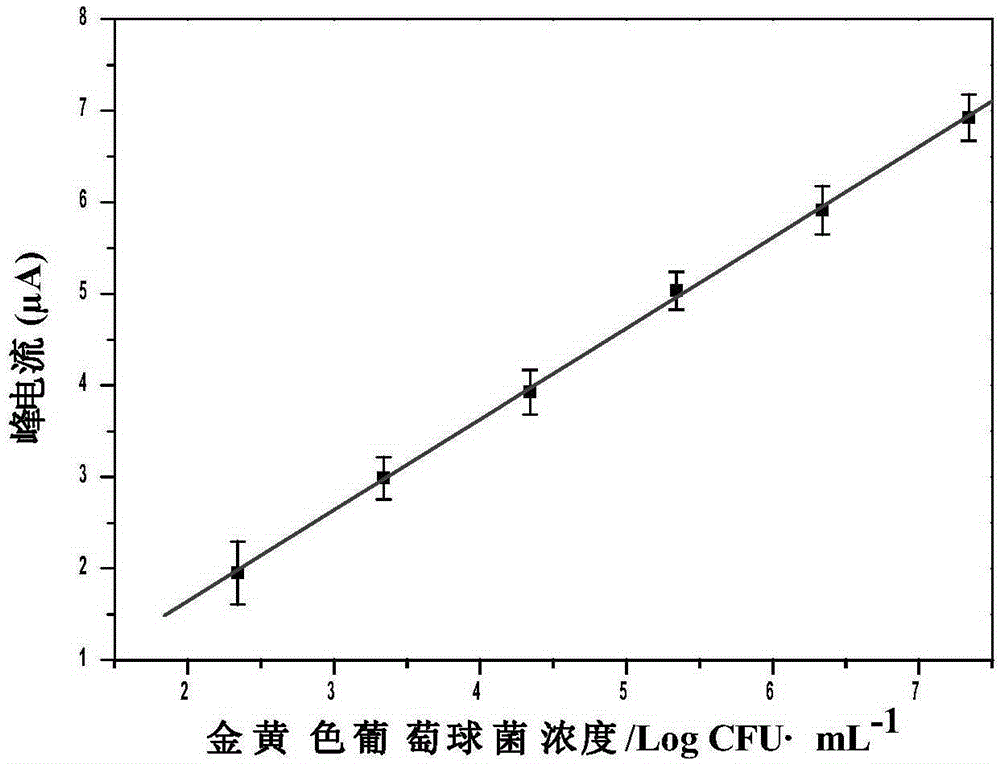
The invention discloses a method for preparing a quick magnetic separation electrochemistry immunosensor and a method for detecting staphylococcus aureus and belongs to the technical field of biosensing. Supernatant liquid is removed through separation and concentration under the effect of a magnetic field, sediment is dissolved through 0.1 M HNO3 and then subjected to ultrasounds, and the dissolved matter is then mixed with HAC / NaAC. A polished and cleaned electrode is steeped into the mixed solution, and staphylococcus aureus is detected through an SWV electrochemical method. Test results show that the concentration range of staphylococcus aureus detected by the sensor is 2.21*10<2>-2.21*10<7> CFU mL-1, and the detection limit is 83 CFU mL-1. In addition, the immunosensor successfully conducts quantitative detection on staphylococcus aureus in milk, compared with a traditional microorganism method, by means of the technology, the analyzing time is greatly shortened, operation is simple, and the requirement for quickly detecting staphylococcus aureus in the fields of food, environments and the like can be better met.
Need to check novelty before this filing date? Find Prior Art

Description

technical field

[0001] The invention provides a fast magnetic separation electrochemical immunosensing and a high-sensitivity detection method for Staphylococcus aureus, belonging to the technical field of biosensing. Background technique

[0002] Staphylococcus aureus ( Staphylococcus aureus ) is a Gram-positive coccus widely found in nature. Staphylococcus aureus enterotoxin ( Staphylococcus aureus Enterotoxins (SES) are extracellular toxins secreted by Staphylococcus aureus, which can cause food poisoning and can cause symptoms such as chest pain, vomiting, diarrhea, and toxic shock. The median lethal dose is 0.02 μg / kg. Staphylococcal enterotoxin B (SEB) is often detected in foods with high protein content, such as milk and dairy products. SEB is relatively stable, and after several minutes of high temperature heating, there are still residues, which should be given enough attention.

[0003] The current traditional methods for detecting Staphylococcus aureus inclu...

Examples

Embodiment Construction

[0030] The present invention is described in further detail below in conjunction with accompanying drawing embodiment, and concrete operation method is as follows:

[0031] (1) Preparation of CdTe quantum dots

[0032] 26 μL of 6 mM mercaptopropionic acid (MPA) was added to 50 mL of 2 mM CdCl 2 In the solution, the pH was adjusted to 9.0 with 1M NaOH solution, and N 2 Mix for 30 minutes, then slowly add 0.8mL of 0.0625M NaHTe solution to form dark yellow CdTe quantum dots. Cd 2+ / MPA / The - The material mass ratio is 1:3:0.5. The obtained quantum dot solution was refluxed for 10 hours, the attainable particle size was 2.6 nm, and the concentration was 4.7 μM. The prepared quantum dot solution was ultrafiltered at 15,000 g for 10 min at 4°C to remove excess mercaptopropionic acid, rinsed twice, and finally adjusted to 700 μL with PBS with pH 7.4, and placed in a refrigerator at 4°C save.

[0033] (2) Functionalization of CdTe quantum dots

[0034] The cross-linking reage...