Wireless heating power supply assembly and wireless heating method for superconducting cable insulation tube

A superconducting cable and heating power supply technology, applied in the direction of induction heating, induction heating devices, etc., can solve the problems of short vacuum life, failure, and reduced adsorption capacity of conductive cable insulation tubes, achieve flexible heating operation modes, and improve vacuum life , The effect of simplifying the maintenance process

CN108207045BActive Publication Date: 2020-08-11SHANGHAI INT SUPERCONDUCTION TECH CO LTD
2 Cites 0 Cited by

Patent Information

Authority / Receiving Office
CN · China
Patent Type
Patents(China)
Current Assignee / Owner
Publication Date
2020-08-11

Smart Images

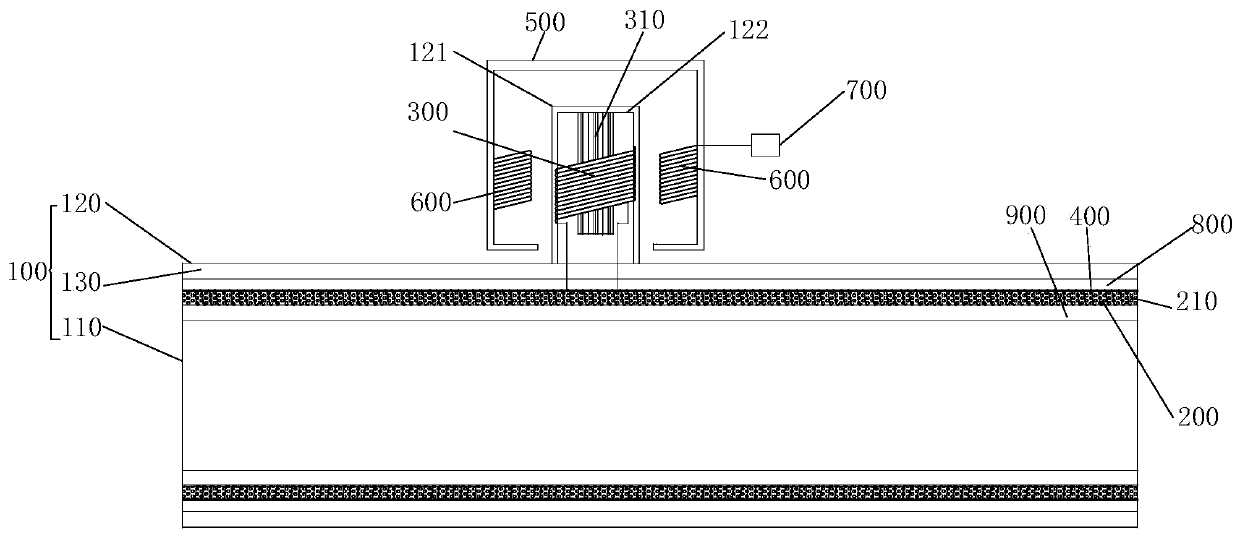
  • Figure 1
    Figure 1
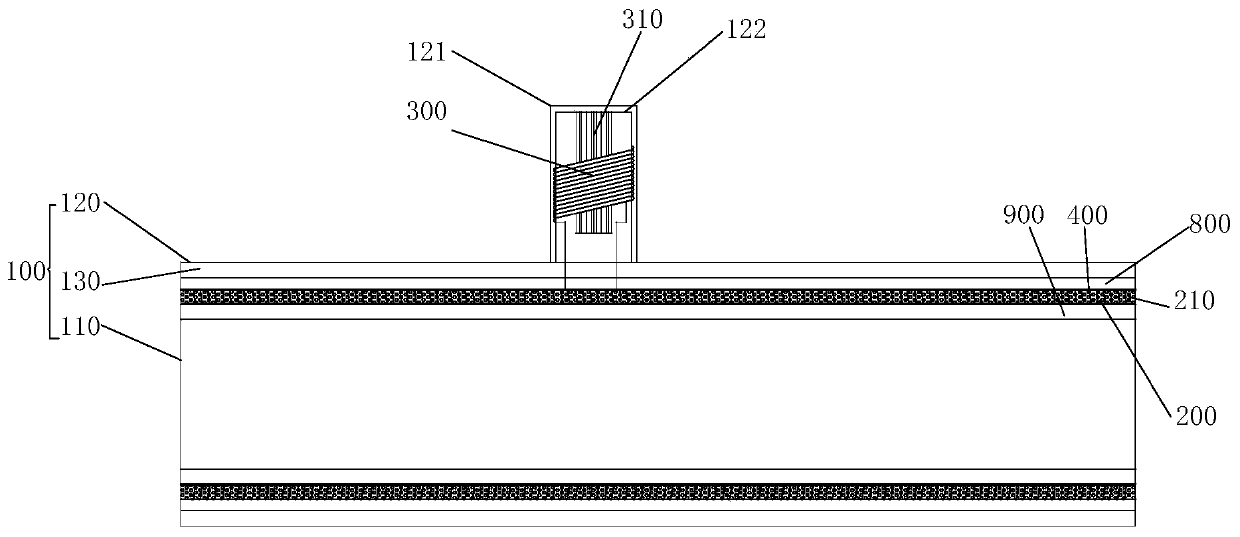
  • Figure 2
    Figure 2
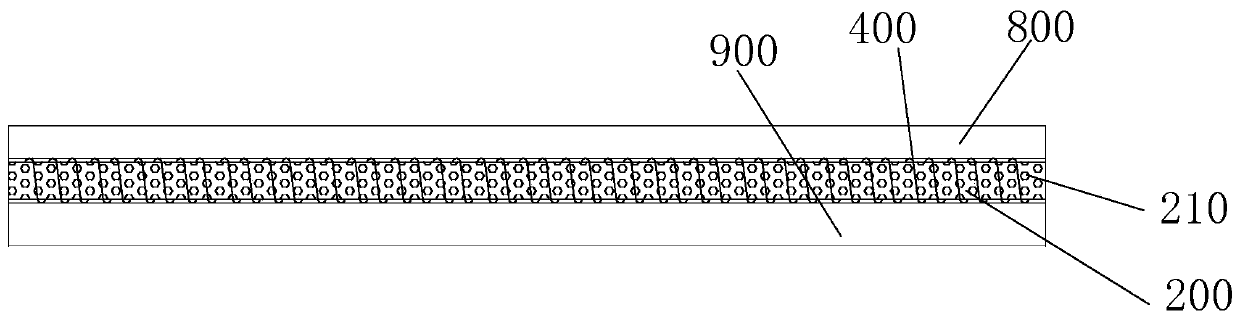
  • Figure 3
    Figure 3
Patent Text Reader

Abstract

The invention provides a wireless heating power module and wireless heating method of a superconduction cable heat-isolation tube. The superconduction cable heat-isolation tube comprises an inner tubeand an outer tube, wherein the outer tube sleeves the inner tube, a vacuum sandwiched layer is arranged between the inner tube and the outer tube, an absorption layer is arranged in the vacuum sandwiched layer, an absorption piece is arranged in the absorption layer and is heated and simulated, a protruding cavity is formed in the outer tube and protrudes outwards, and the protruding cavity communicates with the vacuum sandwiched layer. The wireless heating power module comprises a secondary coil, a heating component and a magnetic conduction sleeve, wherein the secondary coil is arranged inthe protruding cavity, the heating component is arranged in the absorption layer or outside the absorption layer and is connected with the secondary coil, the magnetic conduction sleeve is used for sleeving the protruding cavity, a primary coil is arranged in the magnetic conduction sleeve and is corresponding to the secondary coil, and the primary coil is connected with a power supply. With the adoption of a wireless connection mode, electrical heating of the heating component is achieved, the superconduction cable heat-isolation tube is not needed to be disassembled or broken, on-line simulation of the absorption piece can be achieved, the vacuum lifetime of the superconduction cable heat-isolation tube is prolonged, and the maintenance process is simplified.
Need to check novelty before this filing date? Find Prior Art

Description

technical field

[0001] The invention relates to the technical field of an adsorption component activation structure for a heat-insulated cryogenic container, in particular to a wireless heating power supply assembly and a wireless heating method for a heat-insulated tube of a superconducting cable. Background technique

[0002] The superconducting cable insulation pipe is a double-layer pipe fitting, which includes an inner pipe and an outer pipe, and a vacuum interlayer is formed between the inner pipe and the outer pipe. The heat insulation performance of the superconducting cable heat insulation tube is determined by the vacuum degree of the vacuum interlayer. After the superconducting cable insulation tube is manufactured and vacuumized, due to factors such as the gas emitted from the material of the superconducting cable insulation tube itself, the vacuum degree will gradually decay with time, resulting in continuous degradation of the thermal insulation performance. T...

Examples

Embodiment Construction

[0035] The implementation of the present invention will be illustrated by specific specific examples below, and those skilled in the art can easily understand other advantages and effects of the present invention from the contents disclosed in this specification.

[0036] Please refer to attached picture. It should be noted that the structures, proportions, sizes, etc. shown in the drawings attached to this specification are only used to match the content disclosed in the specification, for those who are familiar with this technology to understand and read, and are not used to limit the implementation of the present invention. Limiting conditions, so there is no technical substantive meaning, any modification of structure, change of proportional relationship or adjustment of size, without affecting the effect and purpose of the present invention, should still fall within the scope of the present invention. within the scope covered by the disclosed technical content. At the sa...