
Method for realizing IAE MEM post-processing picture identification and annotation based on deep migration
A technology of image recognition and depth, applied in the field of image processing, can solve the problems of difference in judgment results, low efficiency, lack of data annotation, etc., to achieve the effect of improving speed and reliability
- Summary
- Abstract
- Description
- Claims
- Application Information
AI Technical Summary
Problems solved by technology
Method used
Image

Examples
Embodiment Construction
[0072] In order to understand the above-mentioned purpose, features and advantages of the present invention more clearly, the present invention will be further described in detail below in conjunction with the accompanying drawings and specific embodiments. It should be noted that, under the condition of not conflicting with each other, the embodiments of the present application and the features in the embodiments can be combined with each other.
[0073] In the following description, many specific details are set forth in order to fully understand the present invention. However, the present invention can also be implemented in other ways different from the scope of this description. Therefore, the protection scope of the present invention is not limited by the following disclosure. limitations of specific examples.
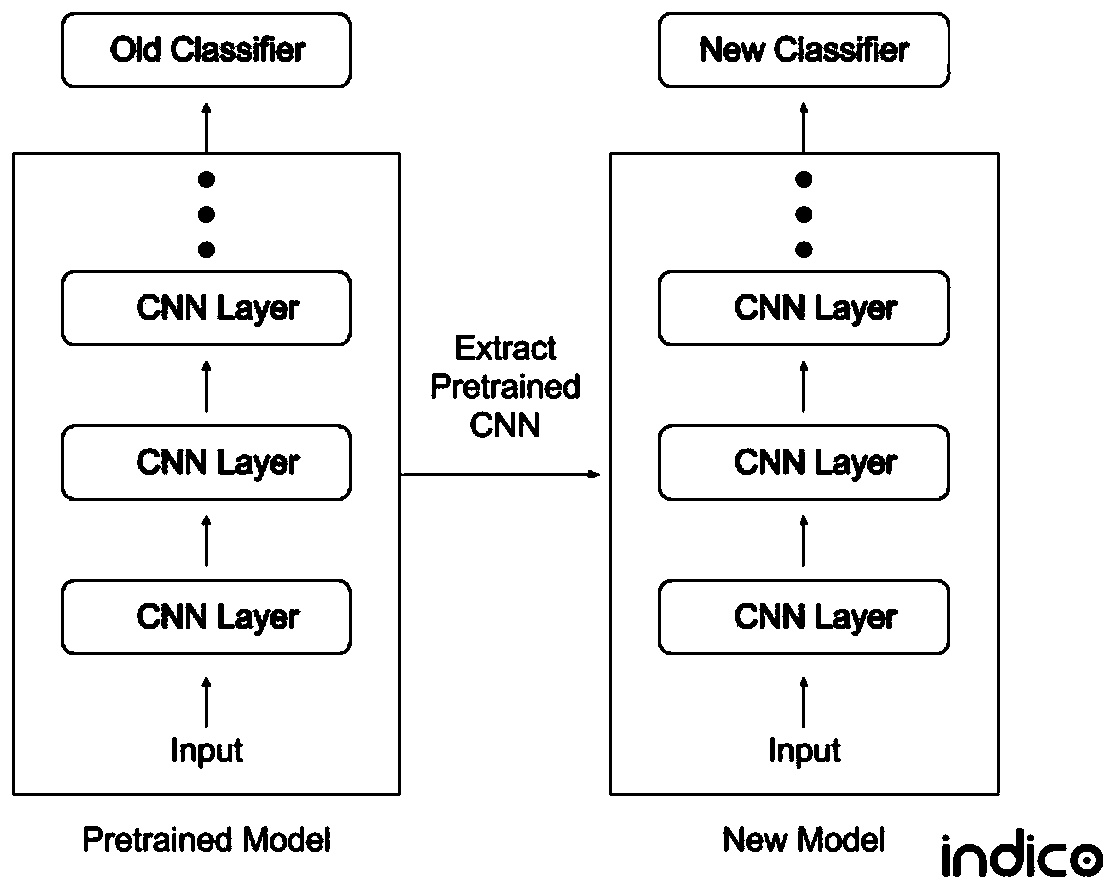
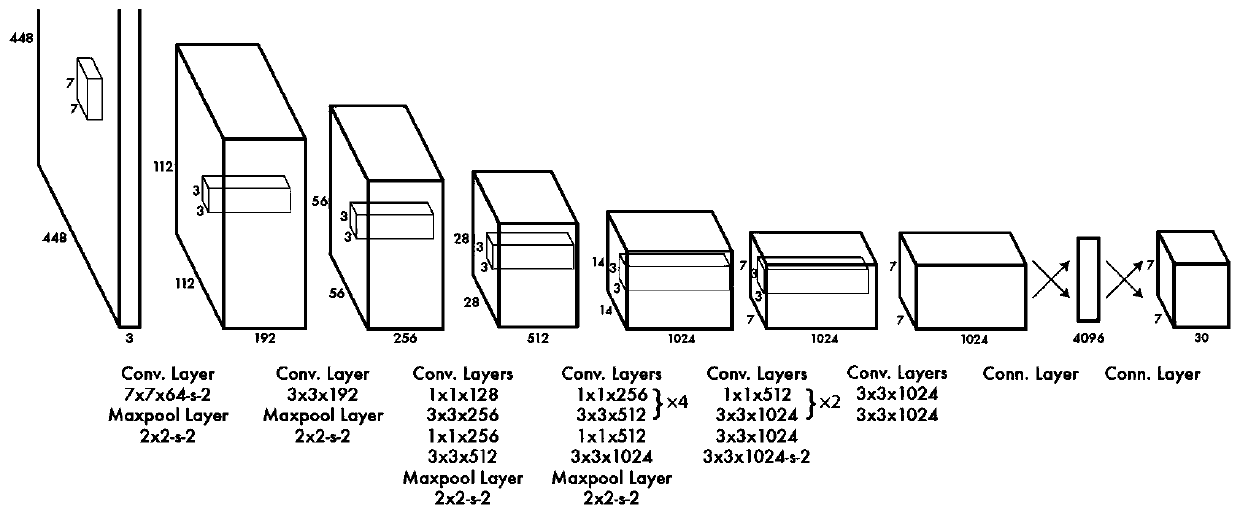
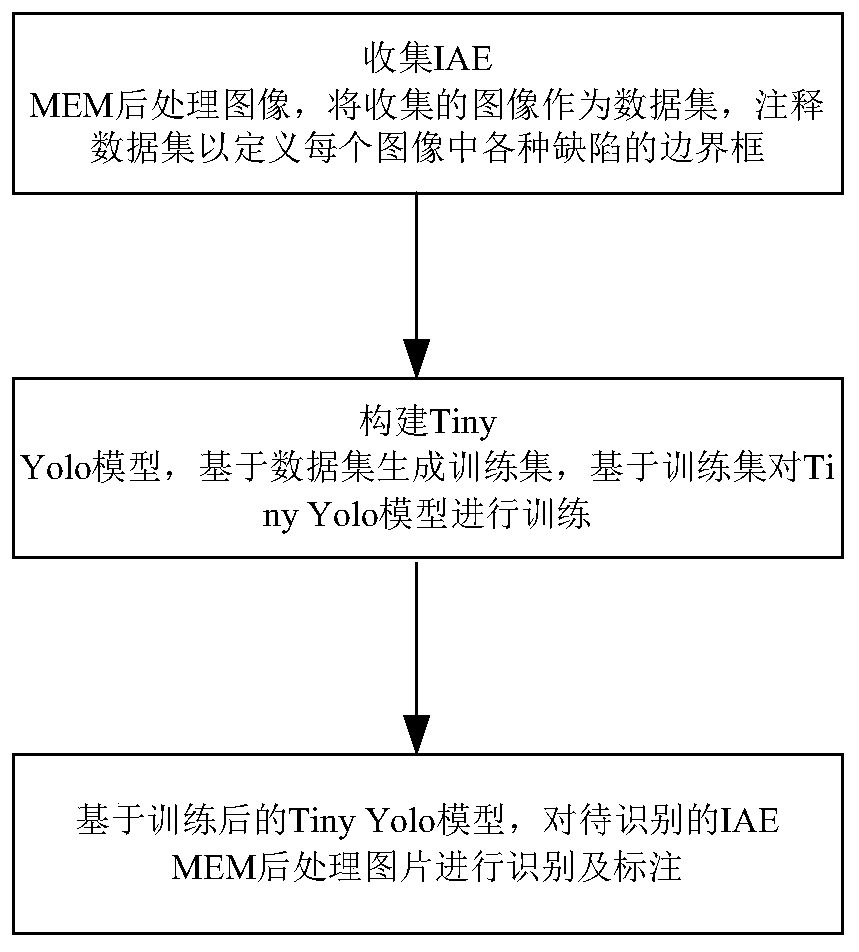
[0074] For the implementation of IAE intelligent identification and labeling method using deep transfer learning in the embodiment of this application, please re...
PUM
 Login to View More
 Abstract
Description
Claims
Application Information
 Login to View More