
A method for determining the concentration of water-soluble peanut protein in a solution containing reducing monosaccharides
A protein concentration and measurement method technology, applied in the field of determination of water-soluble peanut protein concentration, can solve the problems of inaccurate accuracy, inaccurate concentration of reducing sugar, large difference in molar absorptivity, etc.
Patent Information
- Authority / Receiving Office
- CN · China
- Patent Type
- Patents(China)
- Current Assignee / Owner
- Publication Date
- 2021-01-29
Smart Images
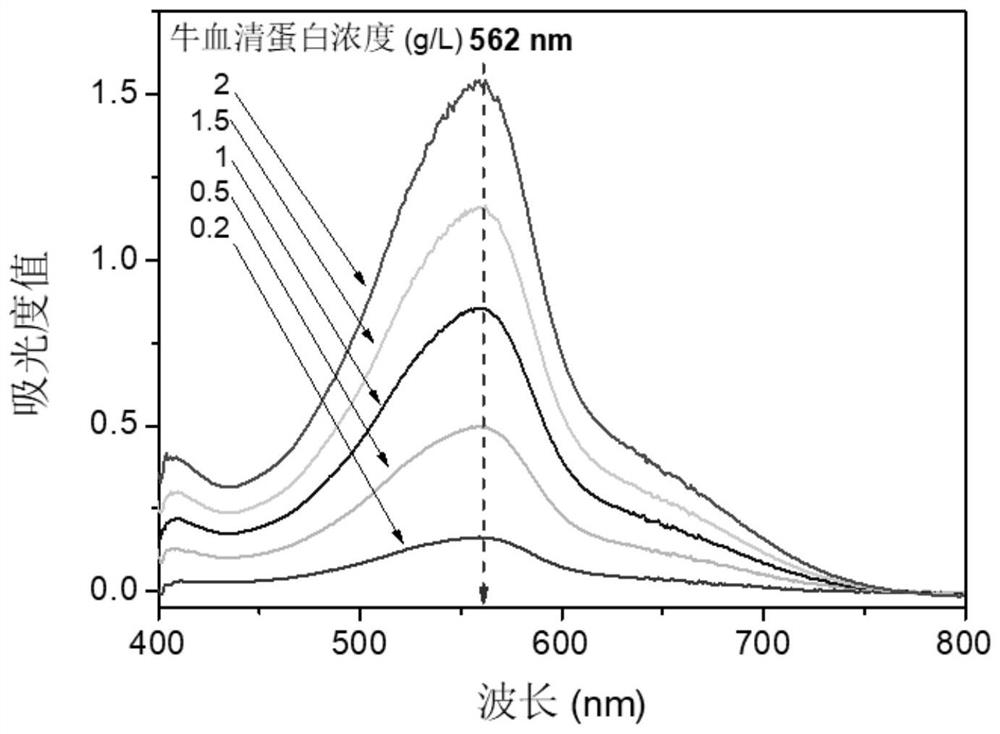
Figure 1 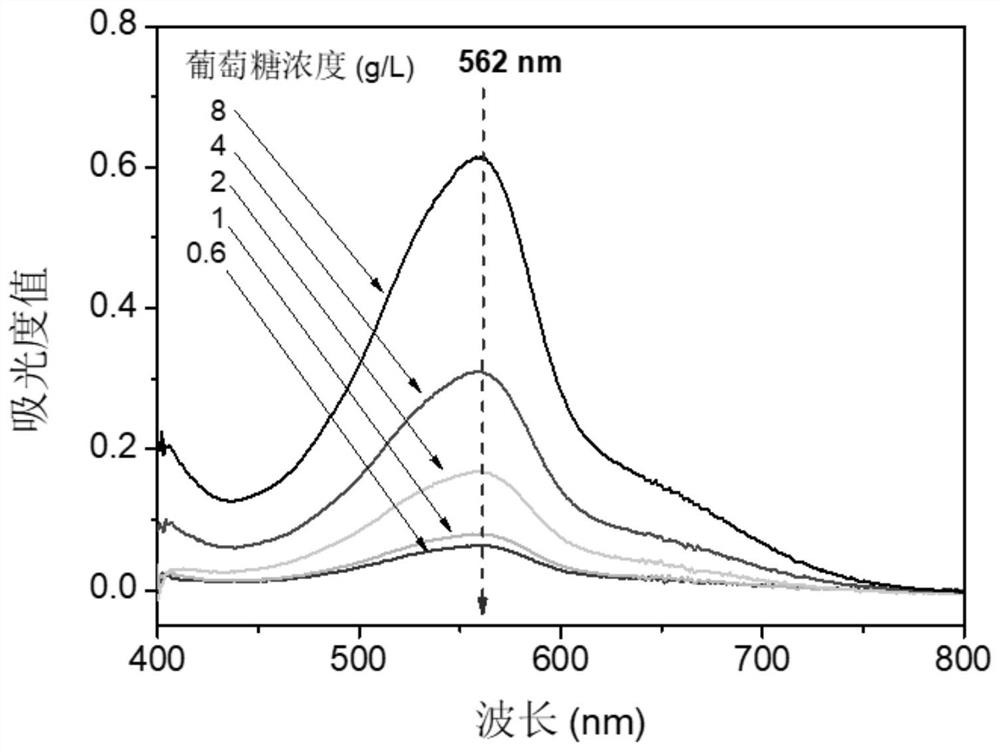
Figure 2 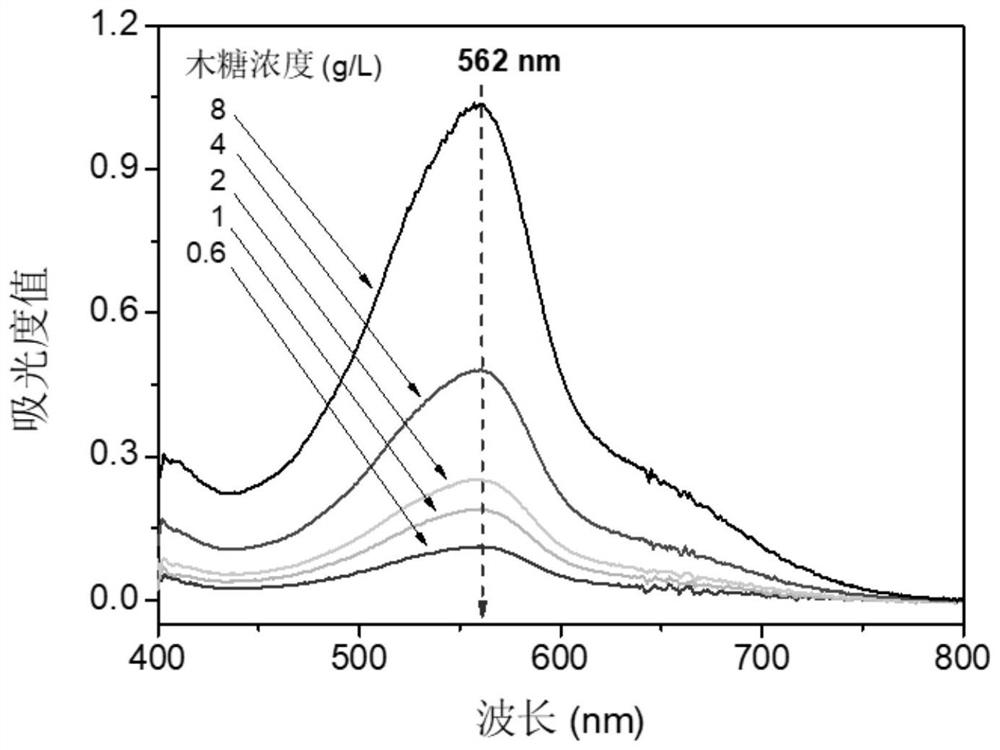
Figure 3
Abstract
Description
technical field
[0001] The invention belongs to the technical field of chemical detection, in particular to a method for measuring the concentration of water-soluble peanut protein in a solution containing reducing monosaccharides. Background technique
[0002] Peanut is one of the six important raw materials for cooking oil in China. At present, my country's annual peanut production ranks first in the world, accounting for more than 40% of the world's total peanut production. In addition to being used for food, export and crop seeds, about 50-60% of peanuts are used to prepare edible oil every year. The residue after peanuts are pressed to produce oil is called peanut meal, and its annual output has reached more than 3 million tons. In addition to carbohydrates and a small amount of fatty substances, the protein content in peanut meal is as high as more than 50%. After effective extraction, purification and refining, peanut protein can be directly used as a natural addit...
Examples
Embodiment 1~5 and comparative example 1~5
[0068] A method for measuring the concentration of water-soluble peanut protein in a solution containing reducing monosaccharides, using defatted peanut powder extract as a test sample, comprising the following steps:
[0069] (1) Preparation of defatted peanut powder extract:
[0070] First, add a certain volume of acetic acid-sodium acetate buffer solution and a certain quality of hemicellulase into the Erlenmeyer flask, shake fully to dissolve the three enzymes completely;
[0071] Then, add a certain amount of defatted peanut powder to the triangular flask, and plug the triangular flask tightly with a rubber stopper;
[0072] Finally, place the corked Erlenmeyer flask on an air bath shaker for protein extraction.
[0073] After the extraction, the solid-liquid mixture is centrifuged, and the supernatant is taken as the crude extract of defatted peanut powder.
[0074] Among them, the defatted peanut powder is the peanut meal obtained by dry-pressing peanut oil, which is ...