Piezoelectric admittance-based data compression reconstruction and structural damage identification method and device

A technology of data compression and piezoelectric admittance, applied in electrical components, code conversion, etc., can solve the problems of huge data volume, unfavorable real-time data collection and processing analysis of test/engineering personnel, and heavy storage load of data acquisition system.

CN111010193AActive Publication Date: 2020-04-14HUAZHONG UNIV OF SCI & TECH
3 Cites 1 Cited by

Patent Information

Authority / Receiving Office
CN · China
Current Assignee / Owner
Publication Date
2020-04-14

Smart Images

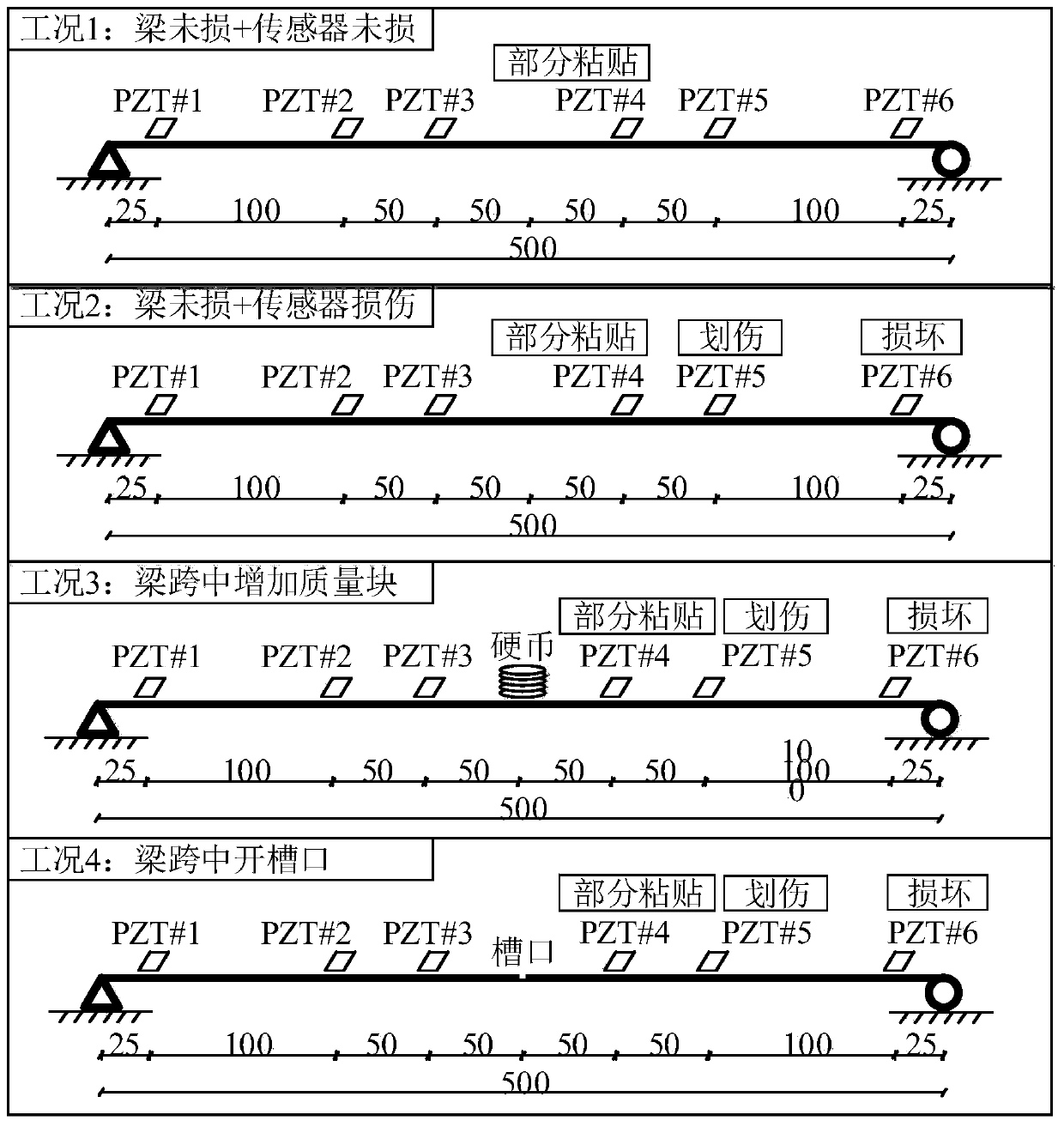
  • Figure 1
    Figure 1
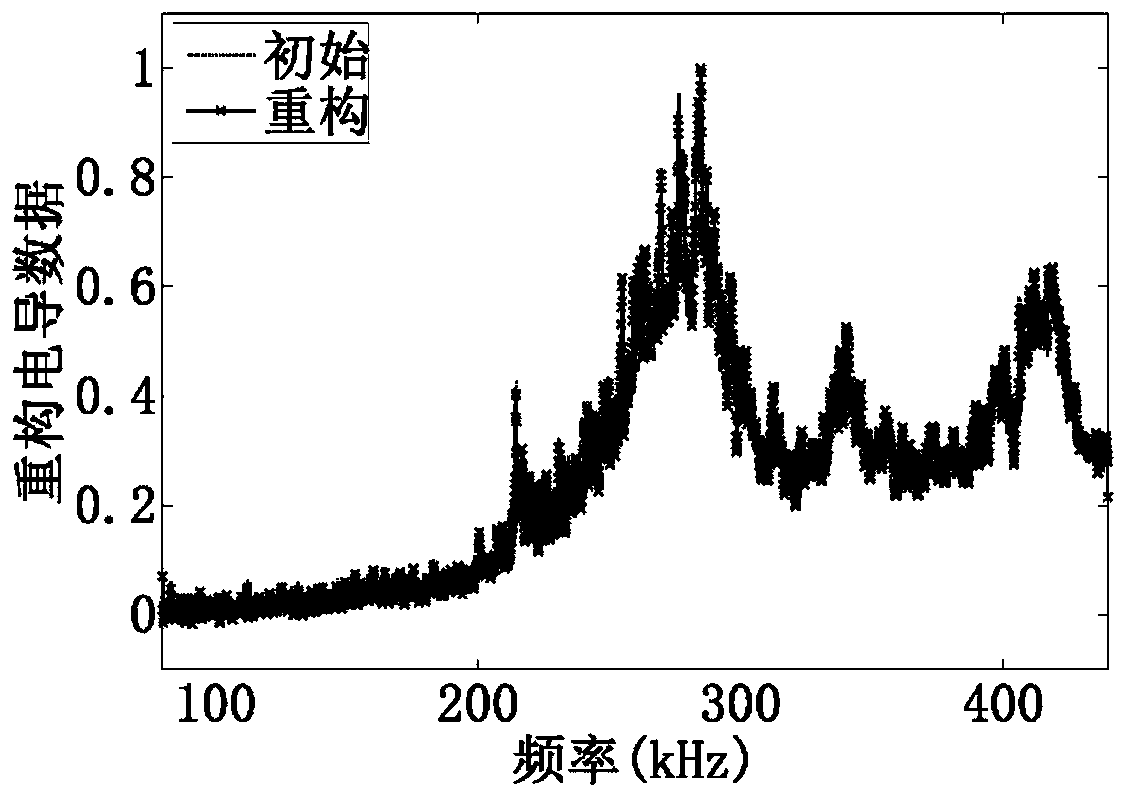
  • Figure 2
    Figure 2
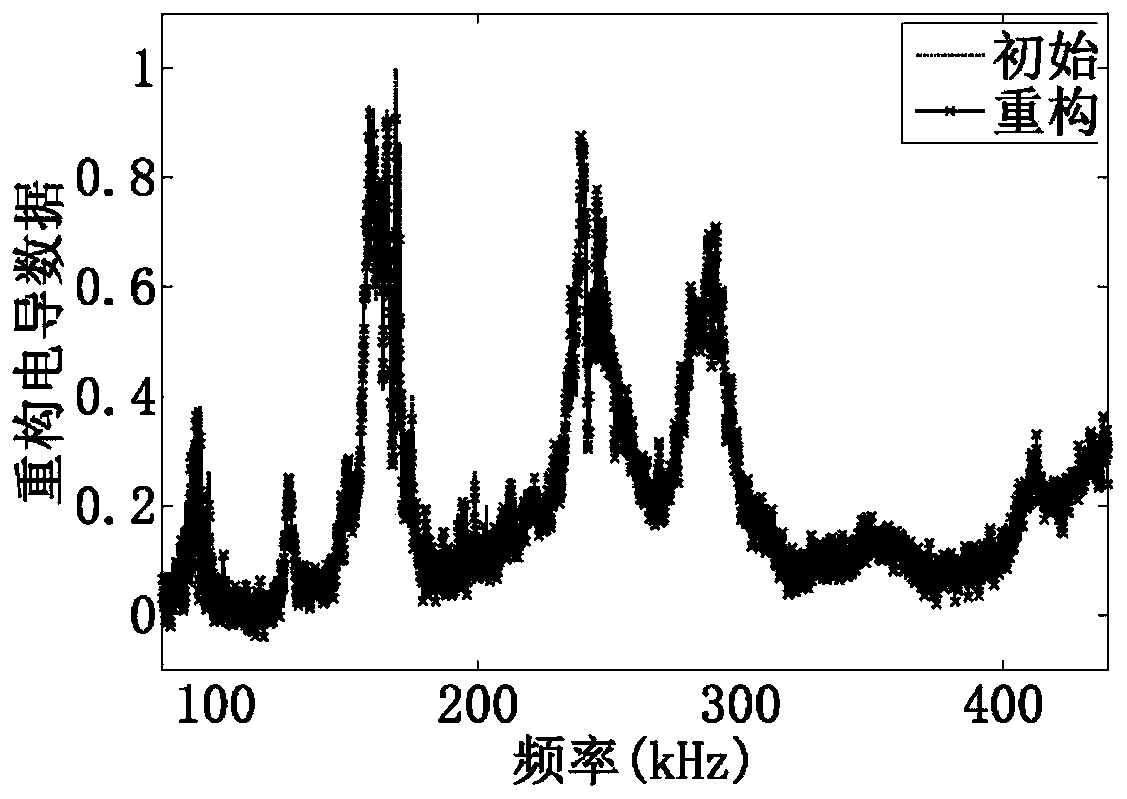
  • Figure 3
    Figure 3
Patent Text Reader

Abstract

The invention belongs to the field of structural health monitoring, and relates to a piezoelectric admittance-based data compression reconstruction and structural damage identification method and a device. The method comprises the following steps: acquiring original conductance data, and performing maximum and minimum normalization processing on the original conductance data; compressing the processed sampling data by using a compressed sensing theory, performing linear transformation on the data through a random matrix, and converting a problem of recovering an original signal into a residualiteration problem; reconstructing the conductance data based on an adaptive orthogonal matching pursuit algorithm of optimized sparsity parameter analysis; and carrying out damage diagnosis on the structure by utilizing the root-mean-square deviation and the correlation coefficient obtained by the reconstruction data. According to the method, damage identification based on a piezoelectric admittance technology and a data compression algorithm based on an orthogonal matching pursuit algorithm can be effectively combined, damage of different types of structures can be effectively identified, and the method is still effective under the condition that a sensor carries out damage operation.
Need to check novelty before this filing date? Find Prior Art

Description

technical field

[0001] The invention belongs to the field of structural health monitoring, and relates to a piezoelectric admittance-based data compression reconstruction and structural damage identification method and equipment, more specifically, relates to a combination of data compression and reconstruction theory and piezoelectric admittance technology damage identification method. Background technique

[0002] Since civil engineering structures are operated in a complex and changeable environment, they are affected by coupling factors such as material degradation, environmental corrosion, and external force disturbances (such as wind and earthquakes), resulting in damage to structures or components. Most of the damages belong to a gradual process, and the small damages caused during this period are difficult to be identified by the naked eye. Therefore, the small damages in the early stage of the structure gradually accumulate and cause large hidden dangers, which is s...

Examples

Embodiment Construction

[0102] In order to make the object, technical solution and advantages of the present invention clearer, the present invention will be further described in detail below in conjunction with the accompanying drawings and embodiments. It should be understood that the specific embodiments described here are only used to explain the present invention, not to limit the present invention. In addition, the technical features involved in the various embodiments of the present invention described below can be combined with each other as long as they do not constitute a conflict with each other.

[0103]The method provided by the invention is a method of combining data compression and reconstruction algorithm with piezoelectric admittance technology to monitor structural health. First, in the established structural health monitoring system, the original admittance signal of the PZT sensor connected to the main structure is collected (the admittance signal includes the conductance signal a...