Enhanced Hydrocarbon Recovery By Steam Injection of Oil Sand Formations

a technology of hydrocarbon recovery and oil sand formation, which is applied in the direction of surveying, insulation, and wellbore/well accessories, etc., can solve the problems of large energy consumption of thermal recovery processes using steam, inability to meet the needs of oil sand formation, etc., to achieve the effect of increasing the production of petroleum fluids and enhancing the recovery of petroleum fluids

US20070199698A1Inactive Publication Date: 2007-08-30GEOSIERRA
81 Cites 29 Cited by

Patent Information

Authority / Receiving Office
US · United States
Current Assignee / Owner
Publication Date
2007-08-30
Estimated Expiration
Not applicable · inactive patent

Smart Images

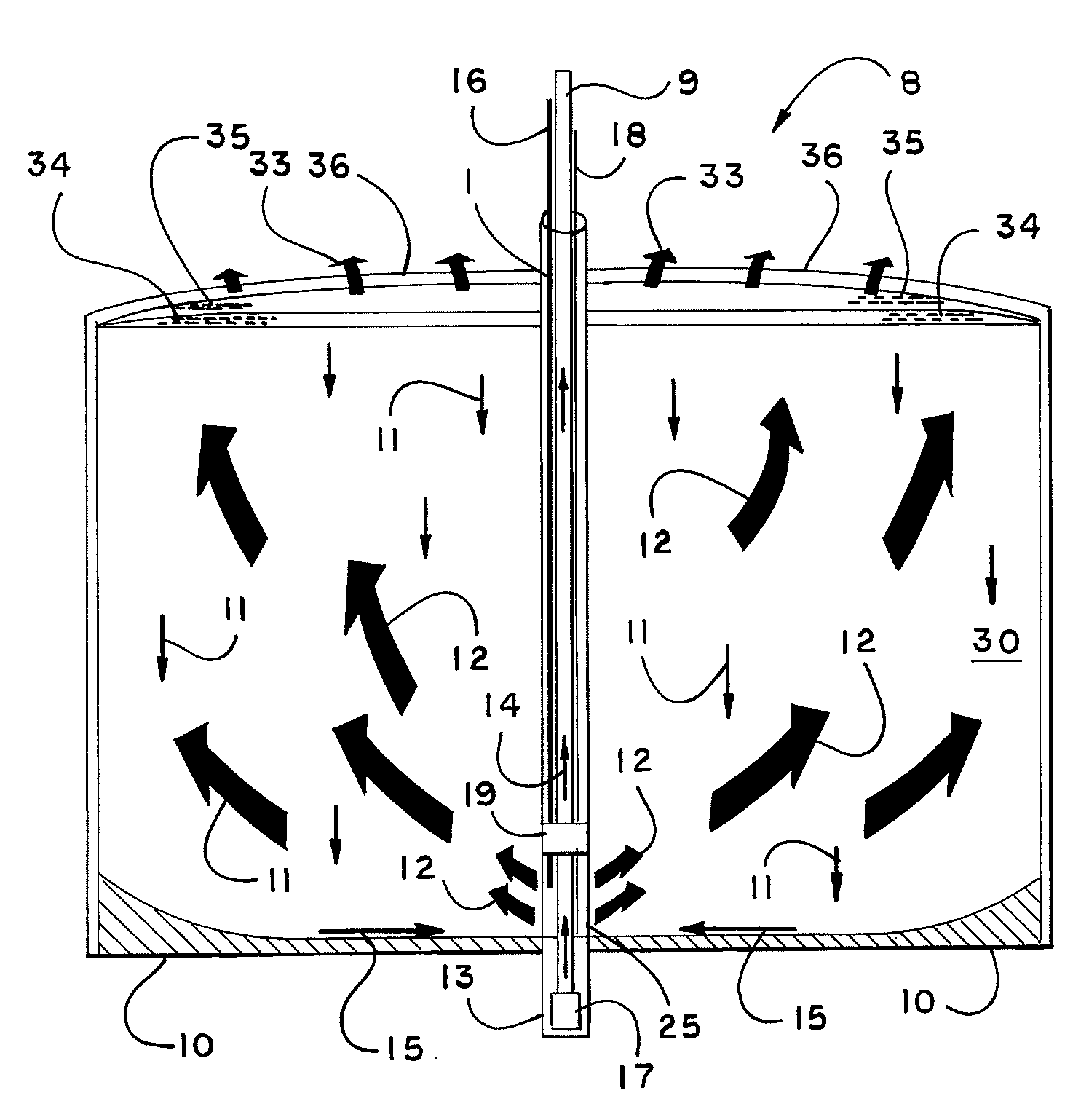
  • Figure 1
    Figure 1
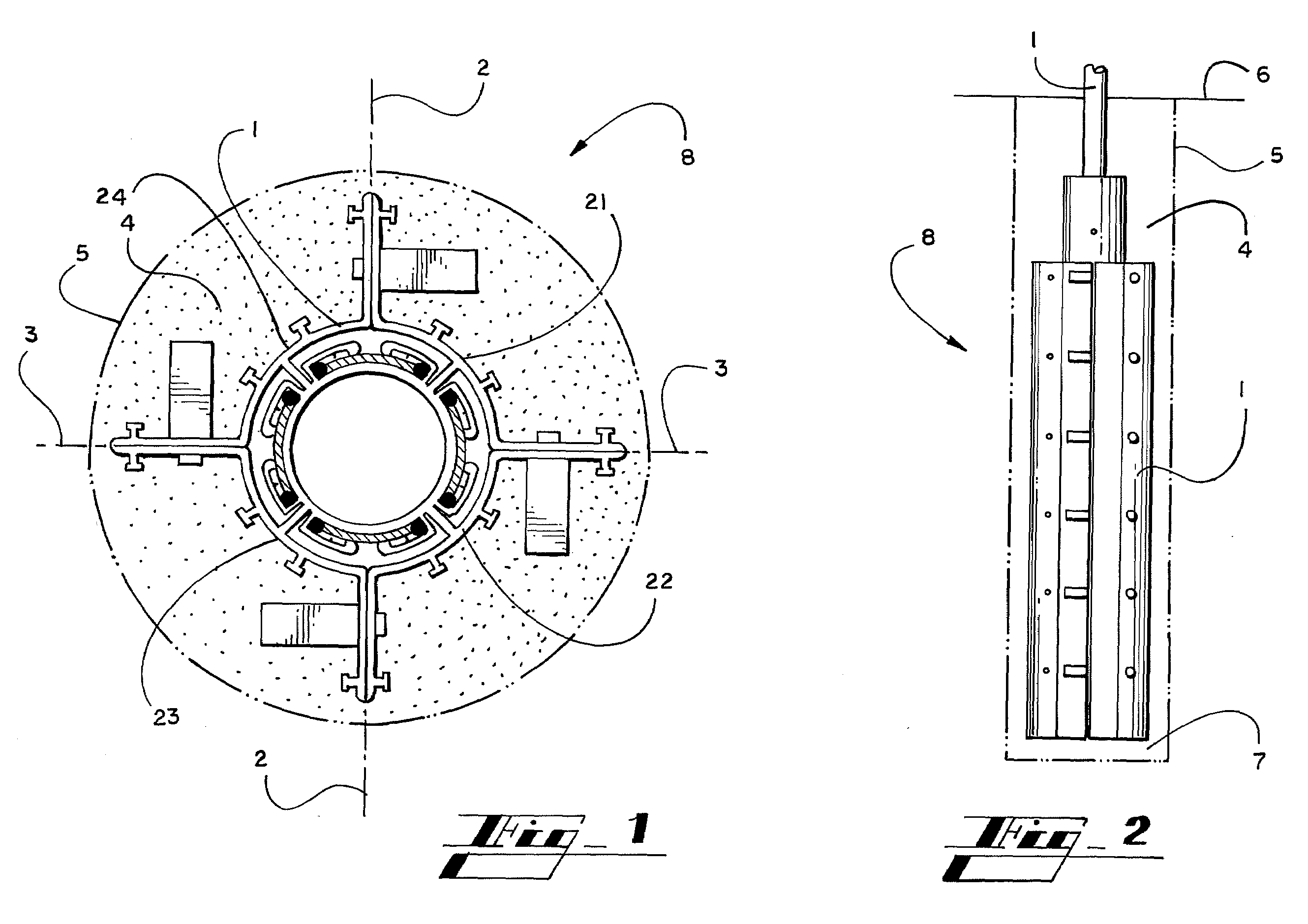
  • Figure 2
    Figure 2
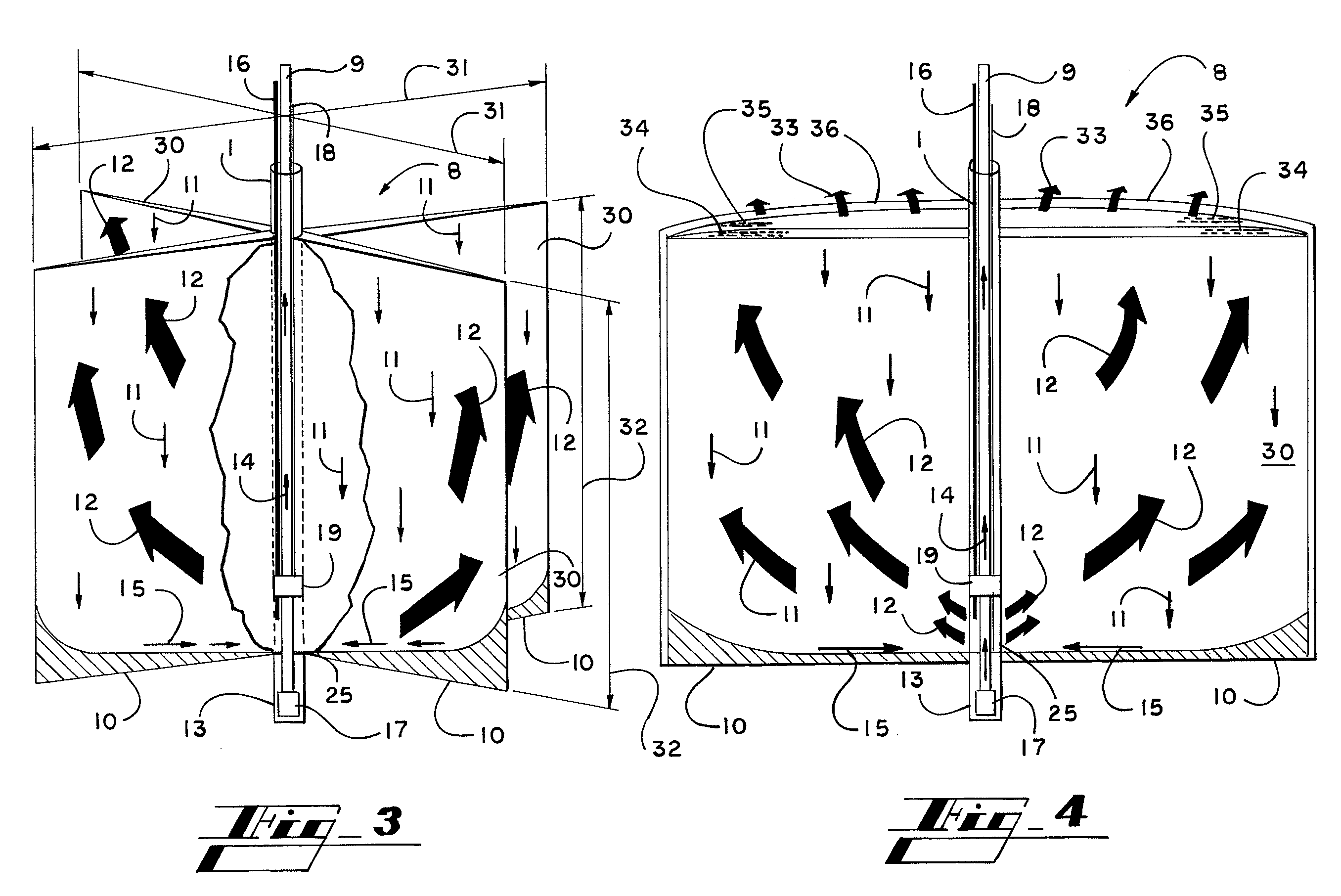
  • Figure 3
    Figure 3
Patent Text Reader

Abstract

The present invention involves a method and apparatus for enhanced recovery of petroleum fluids from the subsurface by injection of a steam and hydrocarbon vaporized solvent in contact with the oil sand formation and the heavy oil and bitumen in situ. Multiple propped hydraulic fractures are constructed from the well bore into the oil sand formation and filled with a highly permeable proppant. Steam, a hydrocarbon solvent, and a non-condensing diluent gas are injected into the well bore and the propped fractures. The injected gas flows upwards and outwards in the propped fractures contacting the oil sands and in situ bitumen on the vertical faces of the propped fractures. The steam condenses on the cool bitumen and thus heats the bitumen by conduction, while the hydrocarbon solvent vapors diffuse into the bitumen from the vertical faces of the propped fractures. The bitumen softens and flows by gravity to the well bore, exposing fresh surface of bitumen for the process to progressively soften and mobilize the bitumen in a predominantly circumferential, i.e. orthogonal to the propped fracture, diffusion direction at a nearly uniform rate into the oil sand deposit. The produced product of oil and dissolved solvent is pumped to the surface where the solvent can be recycled for further injection.
Need to check novelty before this filing date? Find Prior Art

Description

RELATED APPLICATION

[0001] This application is a continuation-in-part of copending U.S. patent application Ser. No. 11 / 363,540, filed Feb. 27, 2006, U.S. patent application Ser. No. 11 / 277,308, filed Mar. 27, 2006, U.S. patent application Ser. No. 11 / 277,775, filed Mar. 29, 2006, U.S. patent application Ser. No. 11 / 277,815, filed Mar. 29, 2006, U.S. patent application Ser. No. 11 / 277,789, filed Mar. 29, 2006, U.S. patent application Ser. No. 11 / 278,470, filed Apr. 3, 2006, U.S. patent application Ser. No. 11 / 379,123, filed Apr. 18, 2006, and U.S. patent application Ser. No. 11 / 379,828, filed Apr. 24, 2006.TECHNICAL FIELD

[0002] The present invention generally relates to enhanced recovery of petroleum fluids from the subsurface by the injection of steam in the oil sand formation contacting the viscous heavy oil and bitumen in situ, and more particularly to a method and apparatus to extract a particular fraction of the in situ hydrocarbon reserve by controlling the access to the in situ b...

Examples

Embodiment Construction

[0038]Several embodiments of the present invention are described below and illustrated in the accompanying drawings. The present invention is a method and apparatus for enhanced recovery of petroleum fluids from the subsurface by injection of steam and a hydrocarbon vaporized solvent in contact with the oil sand formation and the heavy oil and bitumen in situ. Multiple propped hydraulic fractures are constructed from the well bore into the oil sand formation and filled with a highly permeable proppant. Steam, a hydrocarbon solvent, and a non-condensing diluent gas are injected into the well bore and the propped fractures. The injected gas flows upwards and outwards in the propped fractures contacting the oil sands and in situ bitumen on the vertical faces of the propped fractures. The steam condenses on the cool bitumen and thus heats the bitumen by conduction, while the hydrocarbon solvent vapors diffuse into the bitumen from the vertical faces of the propped fractures. The bitumen...