Anatomy-defined automated cpr generation

anatomy-defined, automated technology, applied in the direction of 3d-image rendering, instruments, computing, etc., can solve the problem that it is not easy to adapt to visualizing other objects such as the human heart or brain
US20110175909A1Active Publication Date: 2011-07-21KONINKLIJKE PHILIPS ELECTRONICS NV

Patent Information

Authority / Receiving Office
US · United States
Current Assignee / Owner
KONINKLIJKE PHILIPS ELECTRONICS NV
Publication Date
2011-07-21

Smart Images

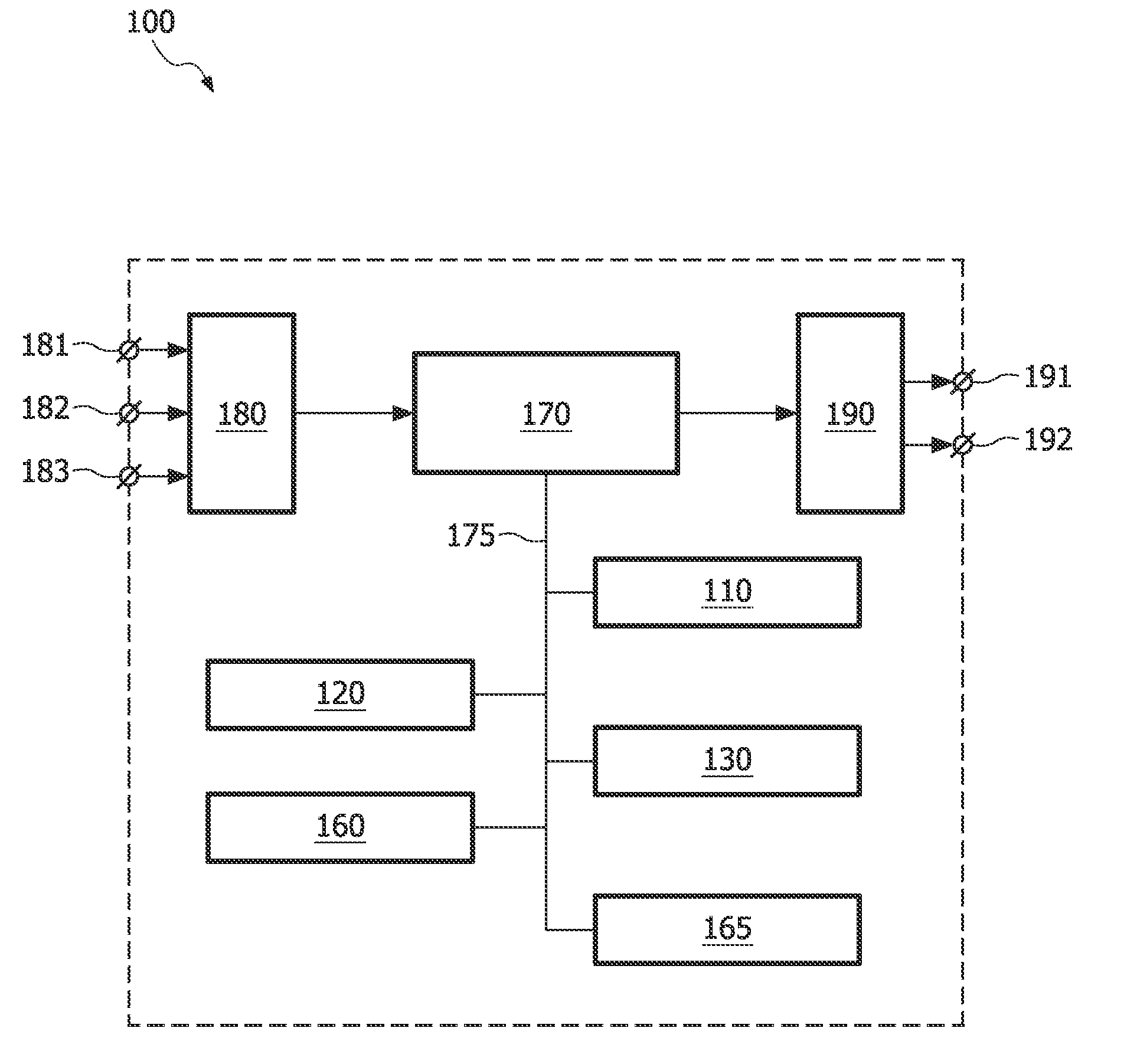
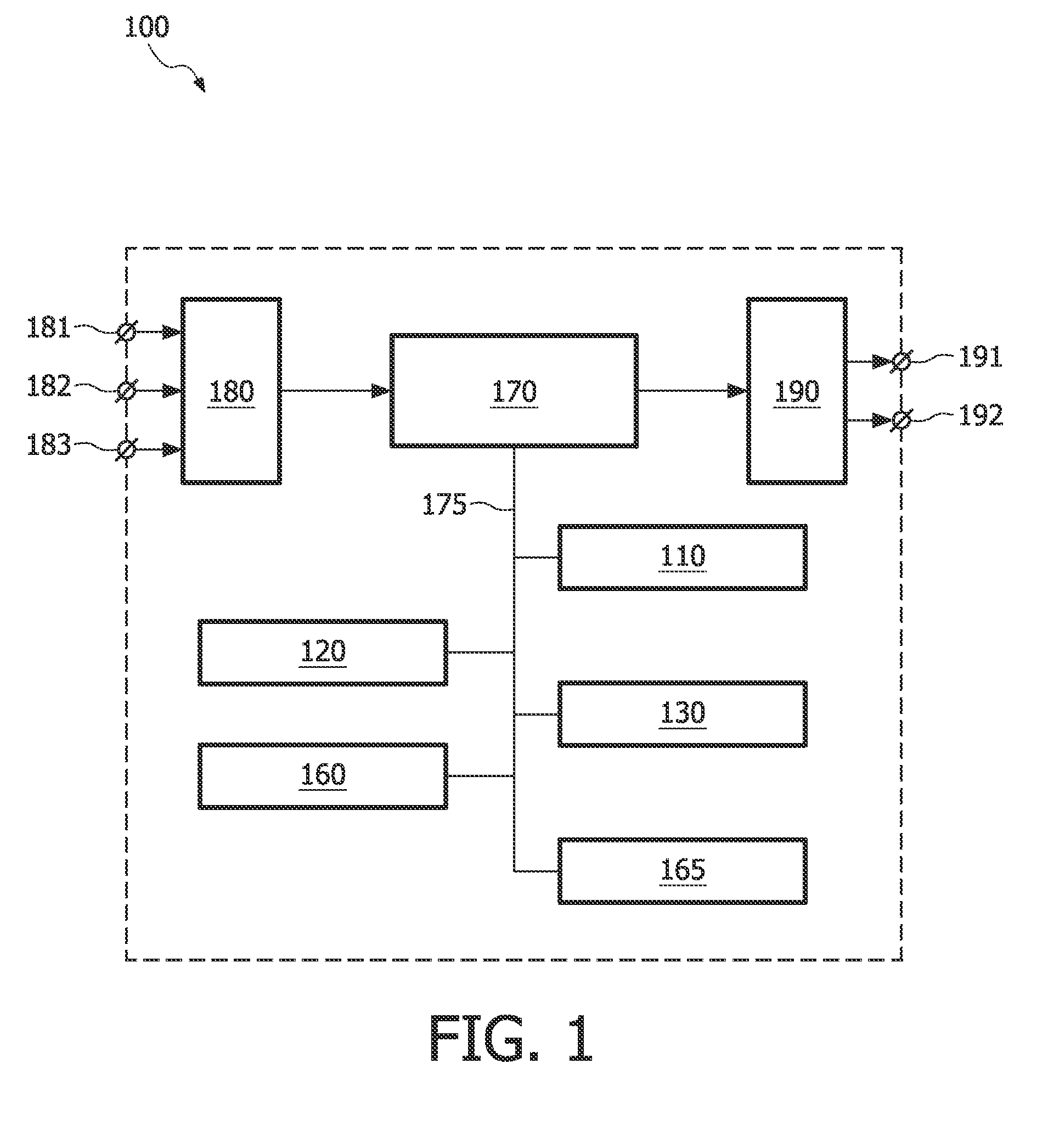
  • Figure 1
    Figure 1
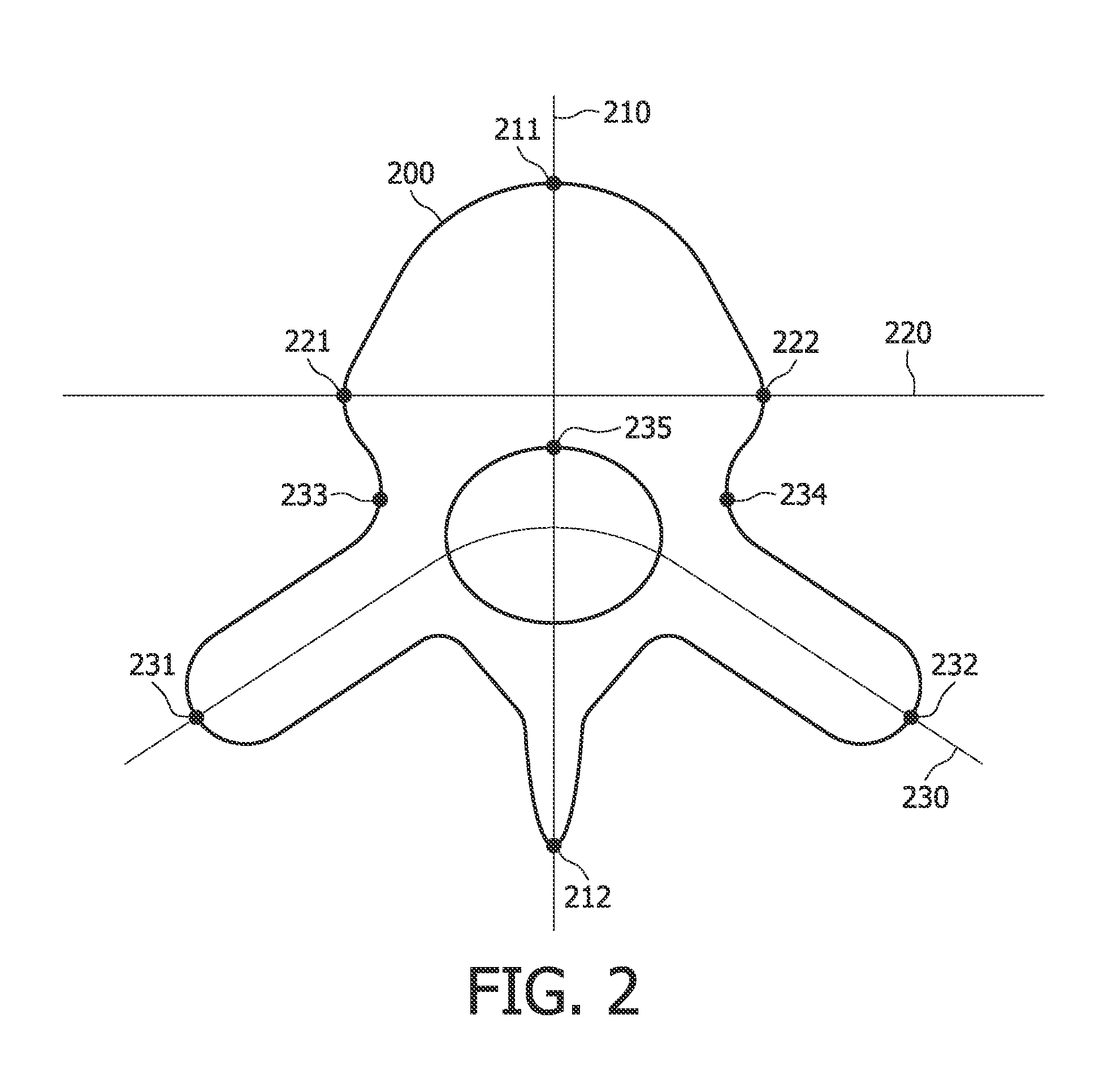
  • Figure 2
    Figure 2
  • Figure 3
    Figure 3
Patent Text Reader

Abstract

The invention relates to a system (100) for visualizing an object in image data using a first cross-section surface coupled to a model of the object, the system comprising a model unit for adapting a model to the object in the image data, a surface unit for adapting the first cross-section surface to the adapted model on the basis of the coupling between the first cross-section surface and the model, and a visualization unit for computing an image from the image data on the basis of the adapted first cross-section surface. The first cross-section surface may be used to define a slice of the image data for visualizing useful features of the object. Any suitable rendering technique, e.g. maximum intensity projection, can be used by the visualization unit to compute the image based on the slice of the image data defined by the first cross-section surface. Because the first cross-section surface of the invention is coupled to the model, the position, orientation and / or shape of the surface is determined by the model adapted to the object in the image data. Advantageously, adapting the model to the object in the image data and the coupling between the first cross-section surface and the model enable the first cross-section surface to be adapted to the image data. Thus, the shape, orientation and / or position of the adapted first cross-section surface is / are based on the shape, orientation and / or position of the adapted model. Adapting the first cross-section surface directly to the object based on features in the image data would be less reliable and less accurate because the surface comprises fewer features of the object than the model.
Need to check novelty before this filing date? Find Prior Art

Description

FIELD OF THE INVENTION

[0001] The invention relates to visualization of structures in medical images using a technique known as curved planar reformation and, in particular, to defining a cross-section surface for visualizing an object in image data.BACKGROUND OF THE INVENTION

[0002] For 3-dimensional (3D) or 4-dimensional (4D) image data, a projection function that performs the mapping onto a 2-dimensional (2D) viewing plane of the display is needed. Common visualization techniques include displaying of planar cuts through (i.e. cross-sections of) the image data, projection techniques such as the maximum intensity projections (MIP) and volume rendering techniques based on transfer functions. Other techniques are planar and multiplanar reformats (MPR) described, e.g., in S. E. J. Connor and C. Flis, “The contribution of high-resolution multiplanar reformats of the skull base to the detection of skull-base fractures”, Clinical Radiology, Volume 60, Issue 8, 2005, Pages 878-885, and their...

Claims

the structure of the environmentally friendly knitted fabric provided by the present invention; figure 2 Flow chart of the yarn wrapping machine for environmentally friendly knitted fabrics and storage devices; image 3 Is the parameter map of the yarn covering machine
Login to View More