
Thermally activated magnetic and resistive aging
a technology of resistive aging and magnetic field, which is applied in the direction of instruments, testing dairy products, testing food, etc., can solve the problems of not being able to account for variations in temperature or other ambient conditions during the lifetime, and achieve the reduction of the magnetic field of solid-state materials, the effect of reducing the electrical resistance of solid-state structures and aging properties
- Summary
- Abstract
- Description
- Claims
- Application Information
AI Technical Summary
Benefits of technology
Problems solved by technology
Method used
Image

Examples
example aging
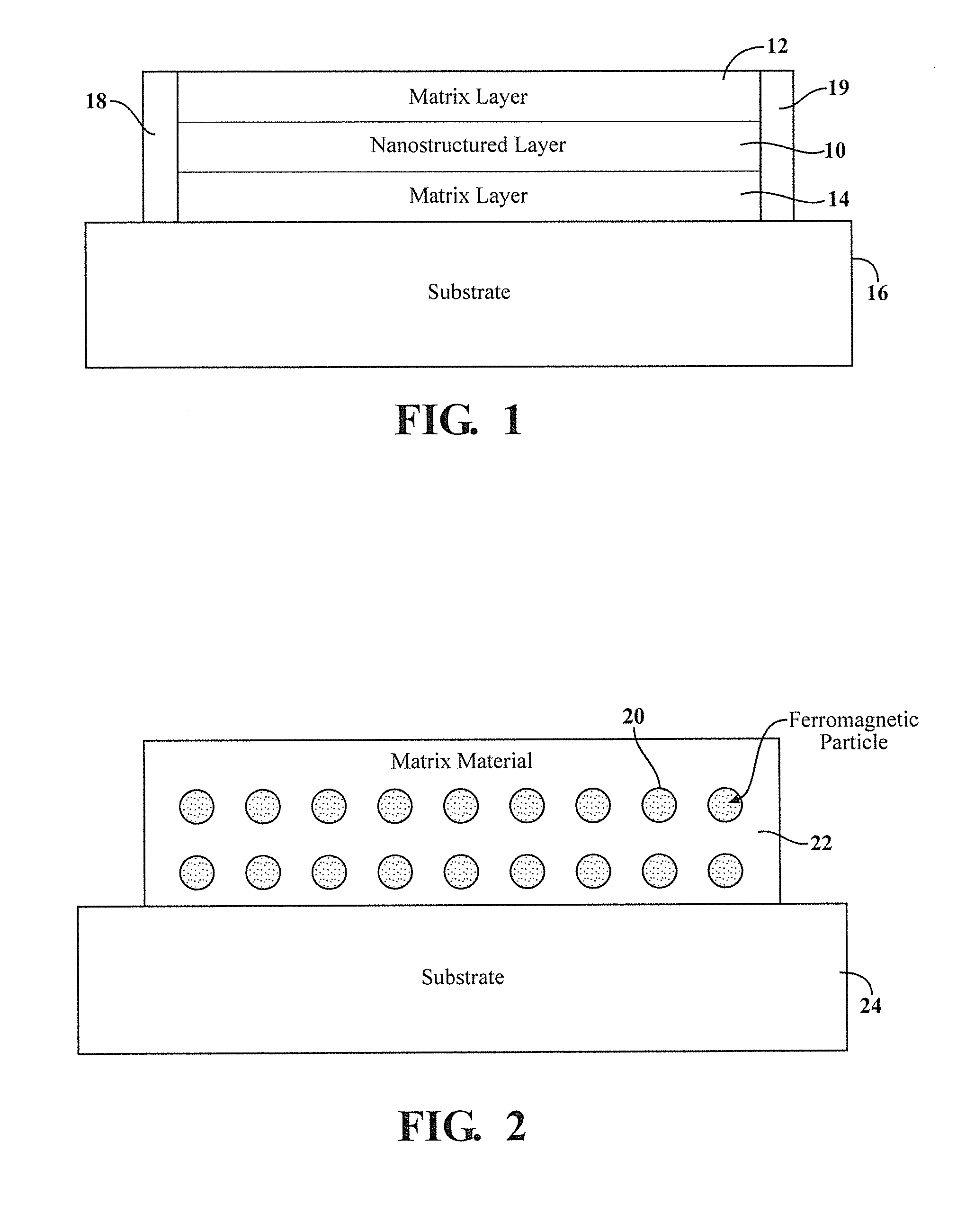
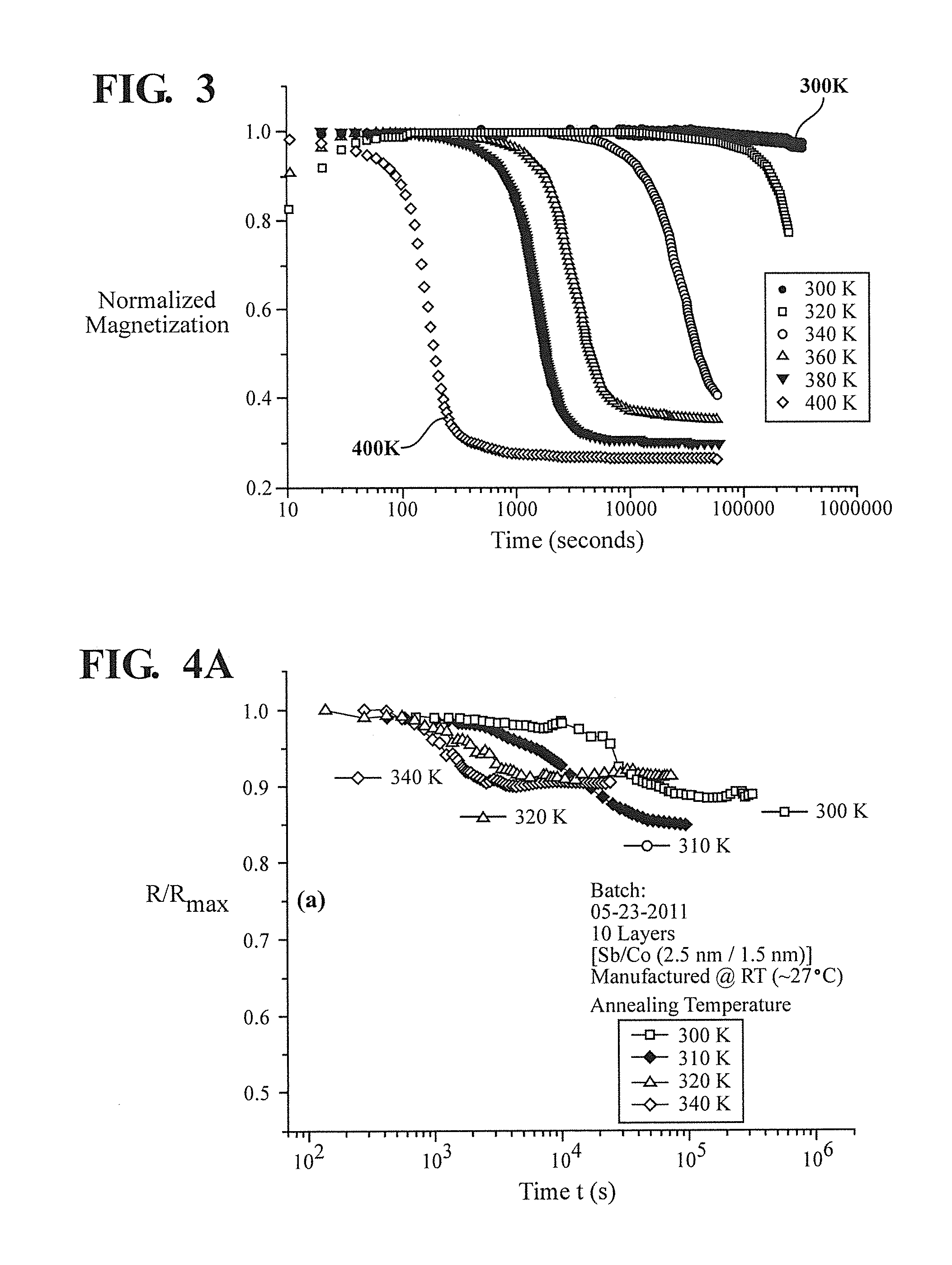
[0115 sensors include a solid-state structure that can be used to mimic, and hence determine, the aging properties of products, systems, and materials such as food items including dairy products, medical supplies, medical monitoring, chemicals (e.g. volatile chemicals), pathogen (e.g. bacterial) growth, electronic circuits such as semiconductor devices, mechanical components, structural components, materials, and the like. In some examples, the faster aging of hotter items can be monitored and determined using the electrical resistance and / or magnetization of a solid-state device. Other parameters, such as thermal resistance, specific heat, etc. may also be monitored. A distinct change in one or more parameters may be observed representing aging of the item of interest.
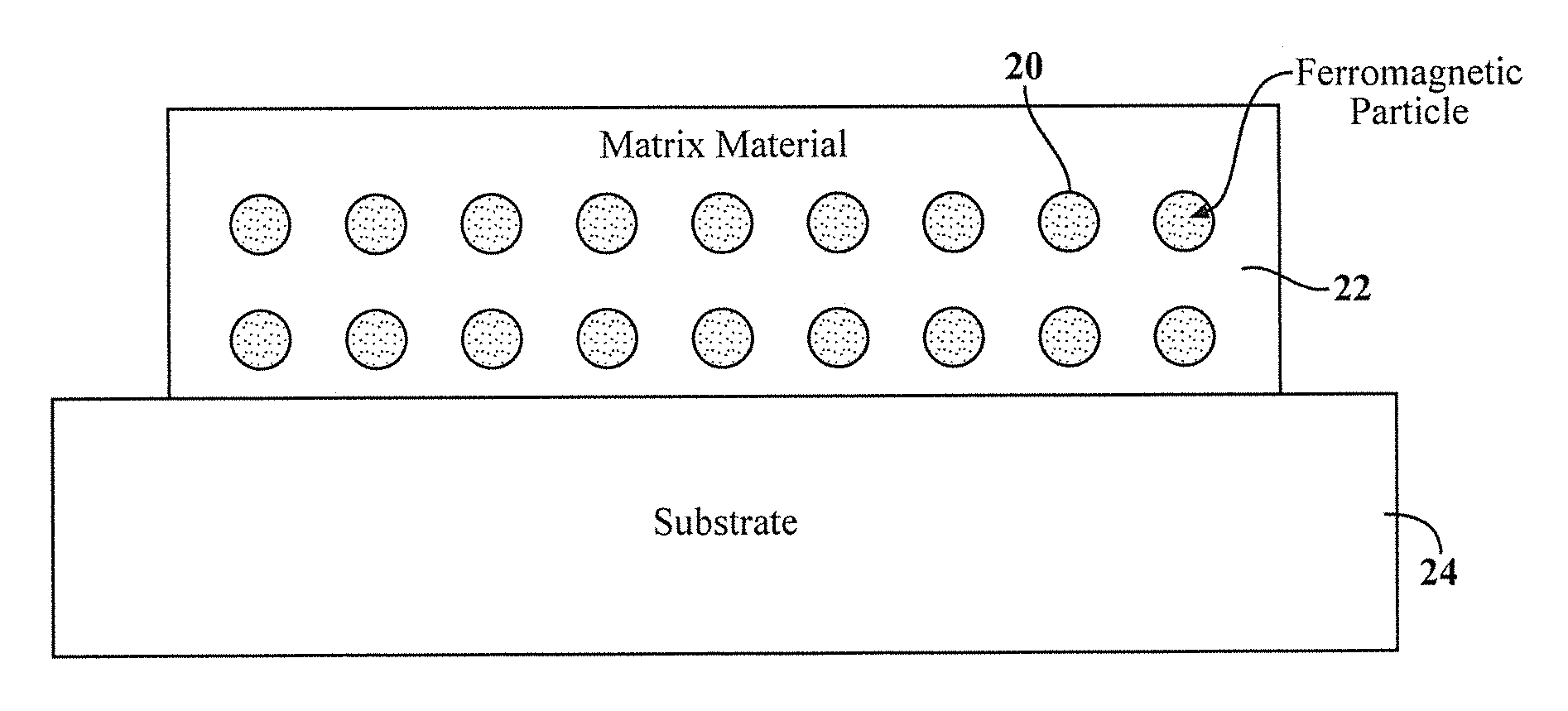
[0116]Example solid-state structures include nanoparticles and a matrix material. The nanoparticles may be magnetic nanoparticles, in particular ferromagnetic particles. Ferromagnetic nanoparticles may consist essenti...
PUM
| Property | Measurement | Unit |
|---|---|---|
| temperature | aaaaa | aaaaa |
| thicknesses | aaaaa | aaaaa |
| thickness | aaaaa | aaaaa |
Abstract
Description
Claims
Application Information
 Login to View More