Method for estimating shape of vulcanization-molded tire

US20150367694A1Inactive Publication Date: 2015-12-24SUMITOMO RUBBER IND LTD
2 Cites 2 Cited by

Patent Information

Authority / Receiving Office
US · United States
Current Assignee / Owner
Publication Date
2015-12-24
Estimated Expiration
Not applicable · inactive patent

Smart Images

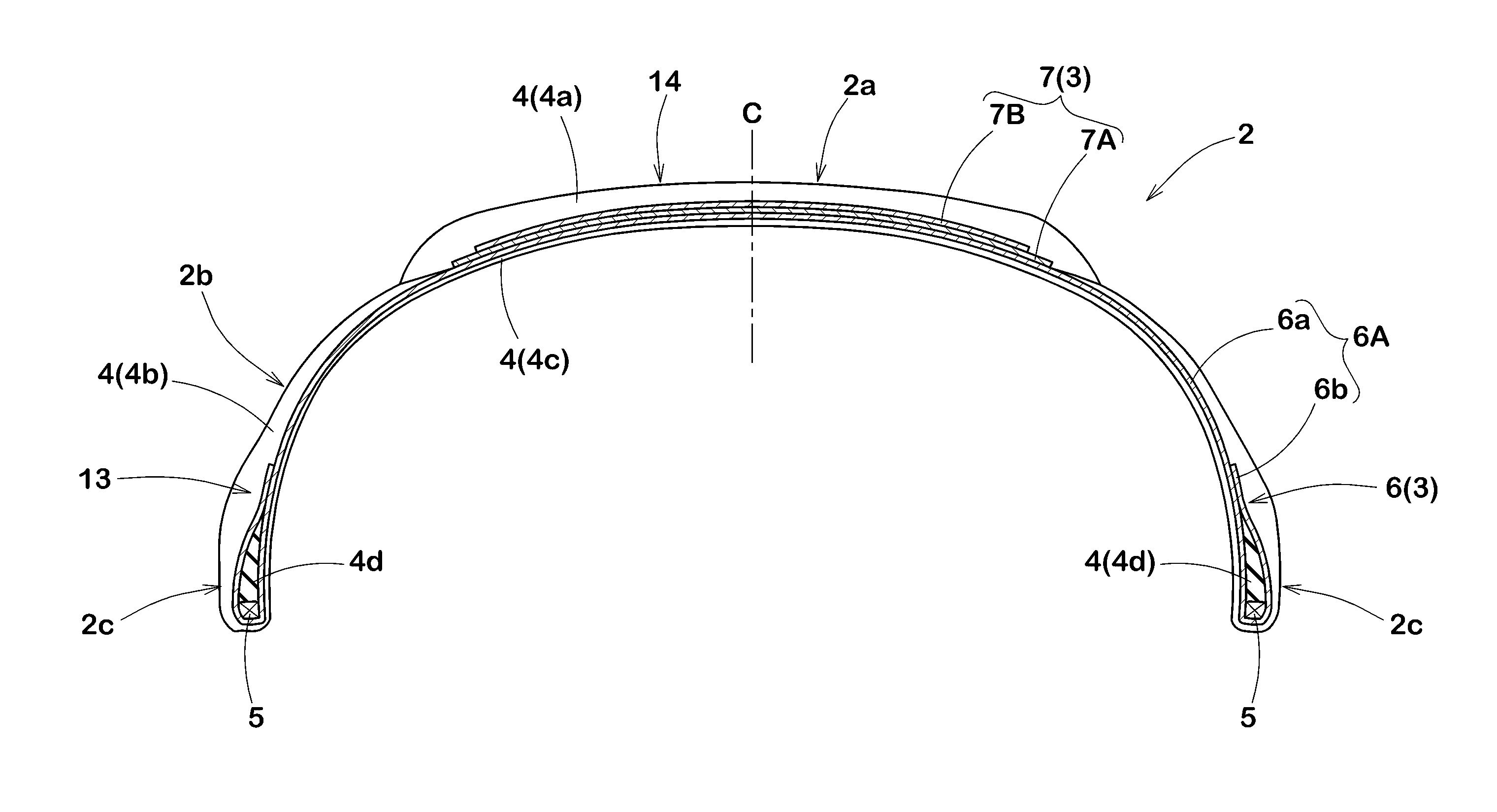
  • Figure 1
    Figure 1
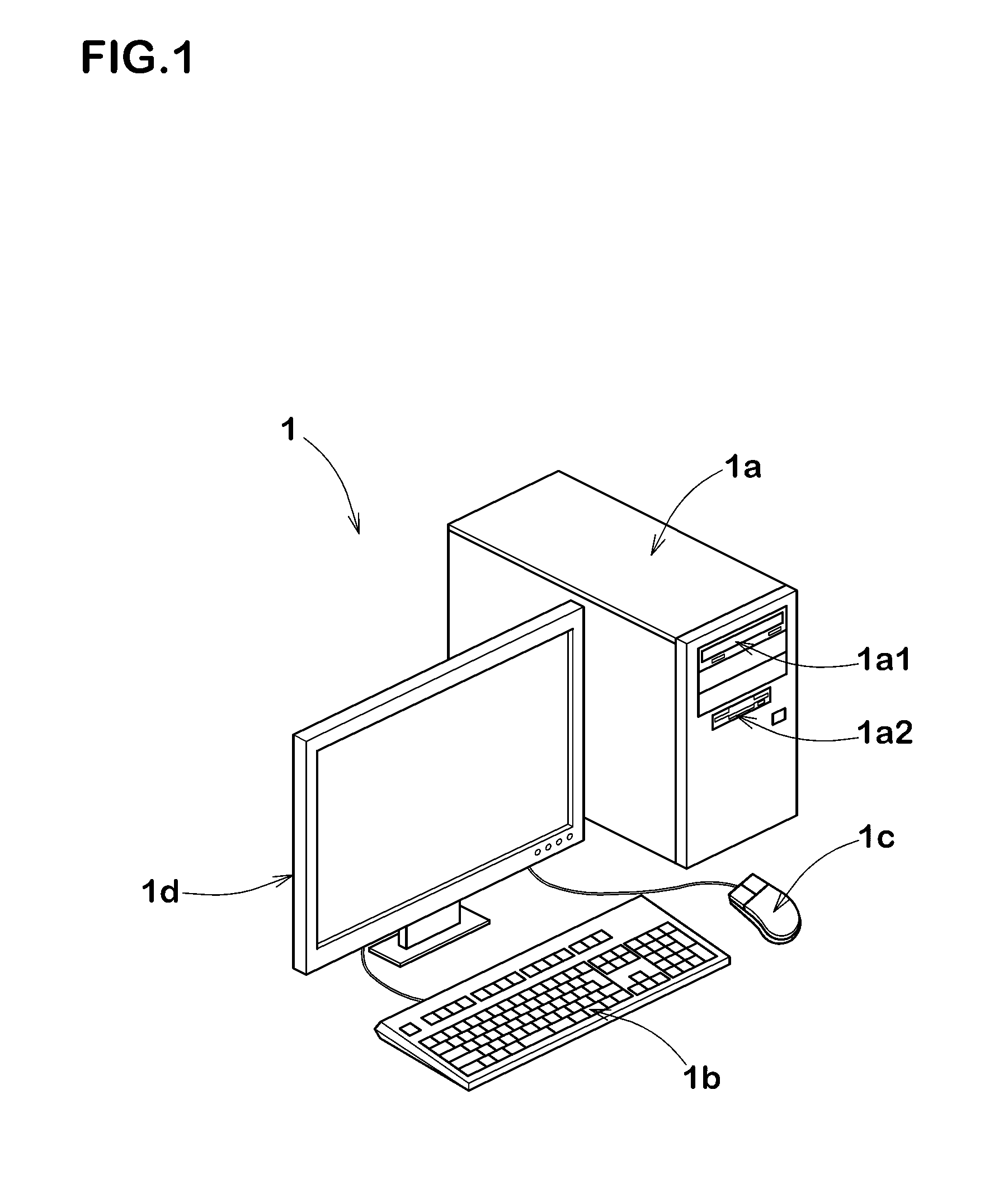
  • Figure 2
    Figure 2
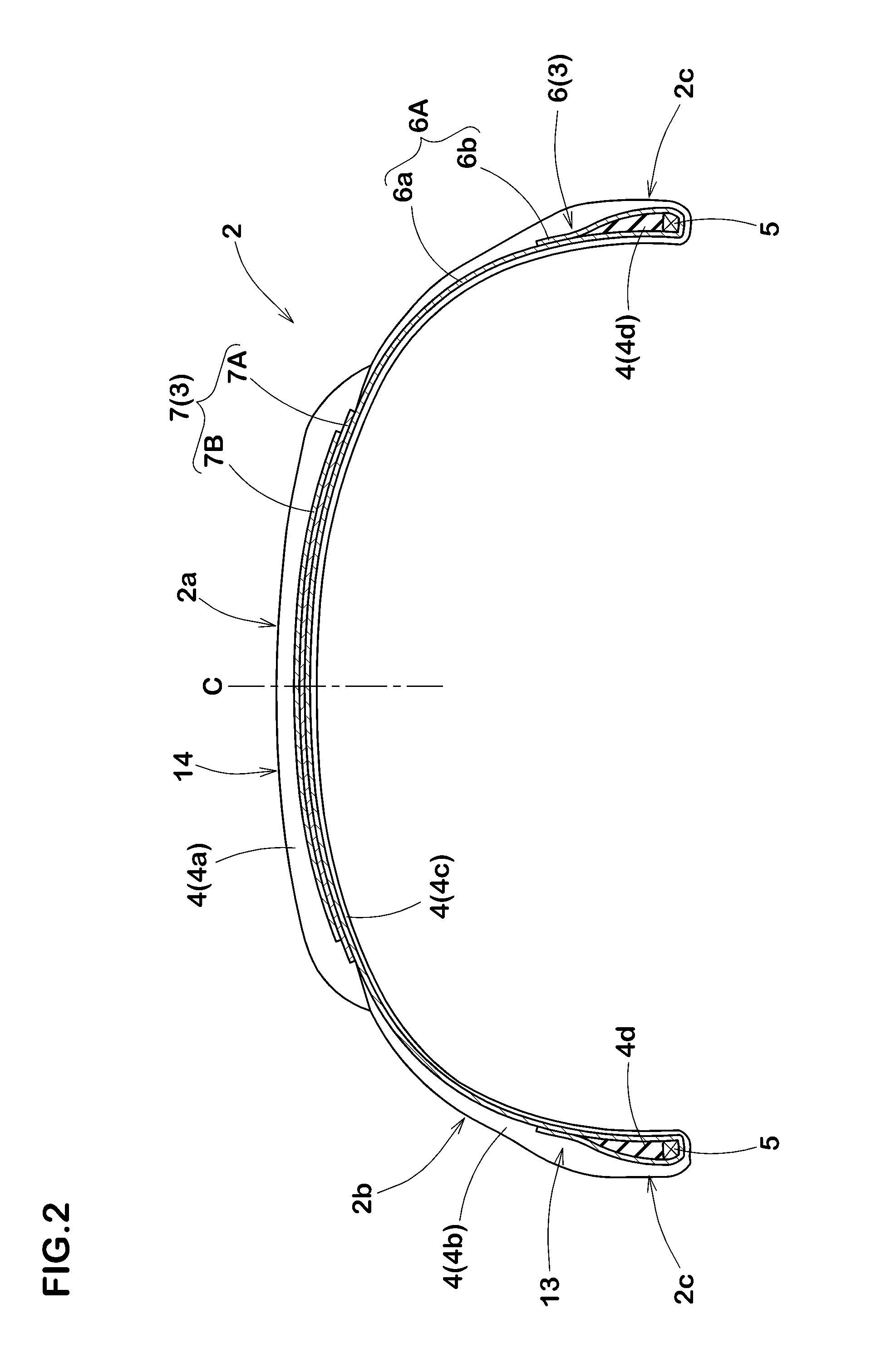
  • Figure 3
    Figure 3
Patent Text Reader

Abstract

A computer-implemented method for estimating a shape of a tire vulcanization-molded by a molding surface of a mold, comprises: a process in which a primary mold model of the mold which is made up of a finite number of elements to have the molding surface before tire vulcanization is defined; a mold deformation process in which a deformation calculation of the primary mold model is performed based on conditions for tire vulcanization to obtain a shape of the molding surface during tire vulcanization, and a secondary mold model having the obtained shape of the molding surface is defined; and a tire shape acquiring process in which, based on the obtained shape of the molding surface of the secondary mold model, the shape of the tire is calculated.
Need to check novelty before this filing date? Find Prior Art

Description

BACKGROUND OF THE INVENTION

[0001] The present invention relates to a computer-implemented method for estimating a shape of a tire molded by a vulcanization mold.

[0002] Japanese Patent No. 5297223 discloses a computer-implemented simulation method for a pneumatic tire in which a finite element model of the tire is defined based on the shape of the molding surface of a tire vulcanizing mold.

[0003] In actuality, a tire vulcanizing mold is thermally-expanded during vulcanizing the tire due to the tire heating temperature. Accordingly, the shape of the molding surface during tire vulcanization is different from the shape before tire vulcanization. Therefore, the shape of the finite element model of the tire defined based on the shape of the molding surface before tire vulcanization is different from the actual shape of the tire after vulcanization. As a result, there is a problem with simulation accuracy.SUMMARY OF THE INVENTION

[0004] It is therefore, an object of the present invention to pr...

Examples

embodiment 2

In the raw tire model as Embodiment 2, the cords of each reinforcing cord member was numerically-modeled by a two-dimensional shell element

[0157]For comparison, as a tire model during tire vulcanization, a tire model having a shape corresponding to that of the molding surface of the mold before tire vulcanization was defined. (Comparative example)

In the comparative example, similarly to Embodiment 2, the cords of each reinforcing cord member was numerically-modeled by a two-dimensional shell element

[0158]In the comparison tests, for each of Embodiment 1, Embodiment 2 and comparative example, a computer simulation to shrink the tire model during tire vulcanization was performed to obtain the tire model having the shape after vulcanization. The outer diameters of the tire models in Embodiment 1, Embodiment 2, comparative example were compared with the outer diameter of an actual tire (actual example) vulcanization molded by the mold. The results are shown in Table 1.

[0159]In the simul...