
Automatically depth-of-field adjusting method and camera
a depth-of-field adjustment and automatic technology, applied in the field of cameras and depth-of-field adjustment methods therefor, can solve the problems of blurry image, insufficient visible light, and inability to achieve much stronger auxiliary light (i.e. infrared) than the current sunlight, and achieve the effect of more clear images
- Summary
- Abstract
- Description
- Claims
- Application Information
AI Technical Summary
Benefits of technology
Problems solved by technology
Method used
Image

Examples
Embodiment Construction
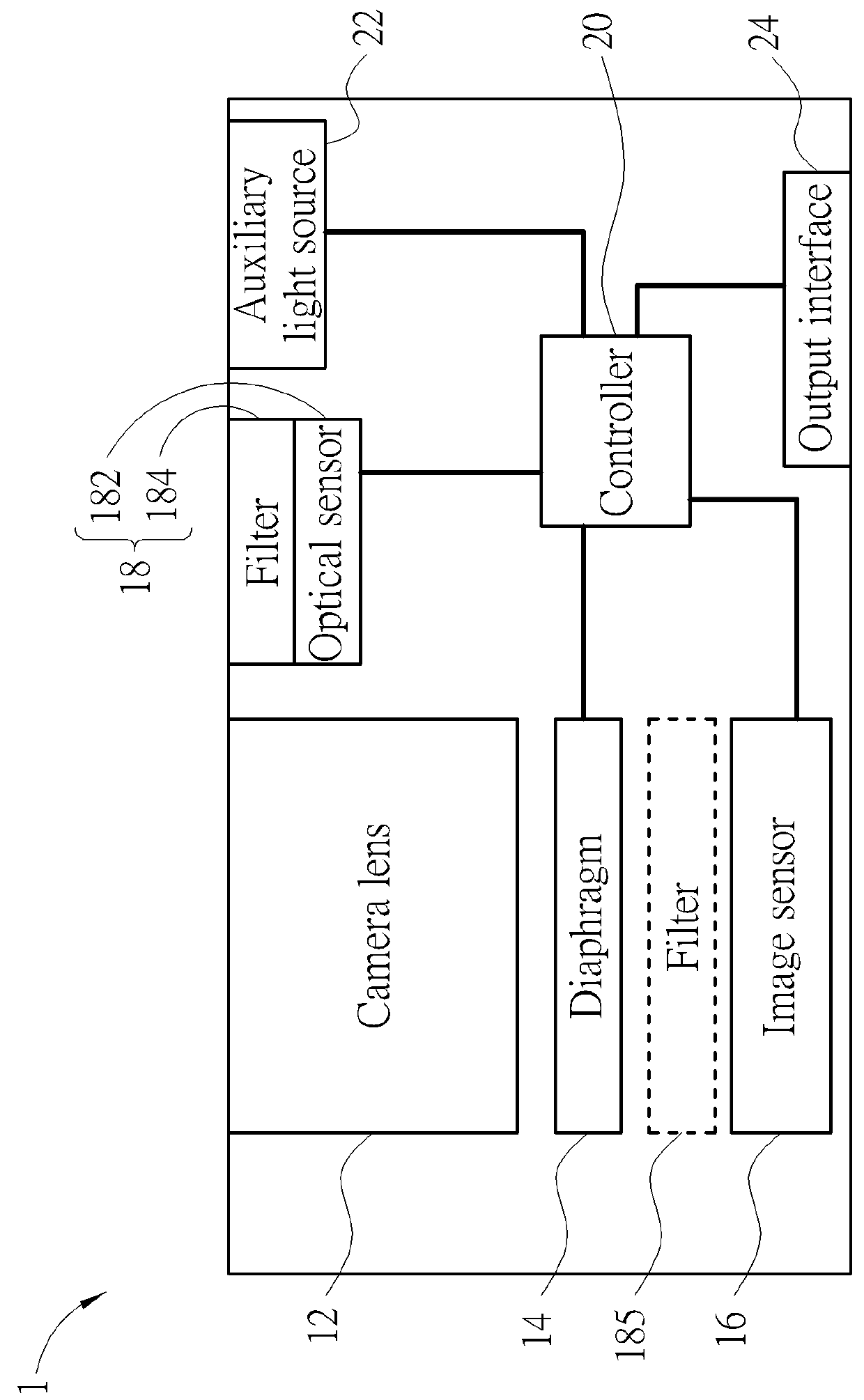
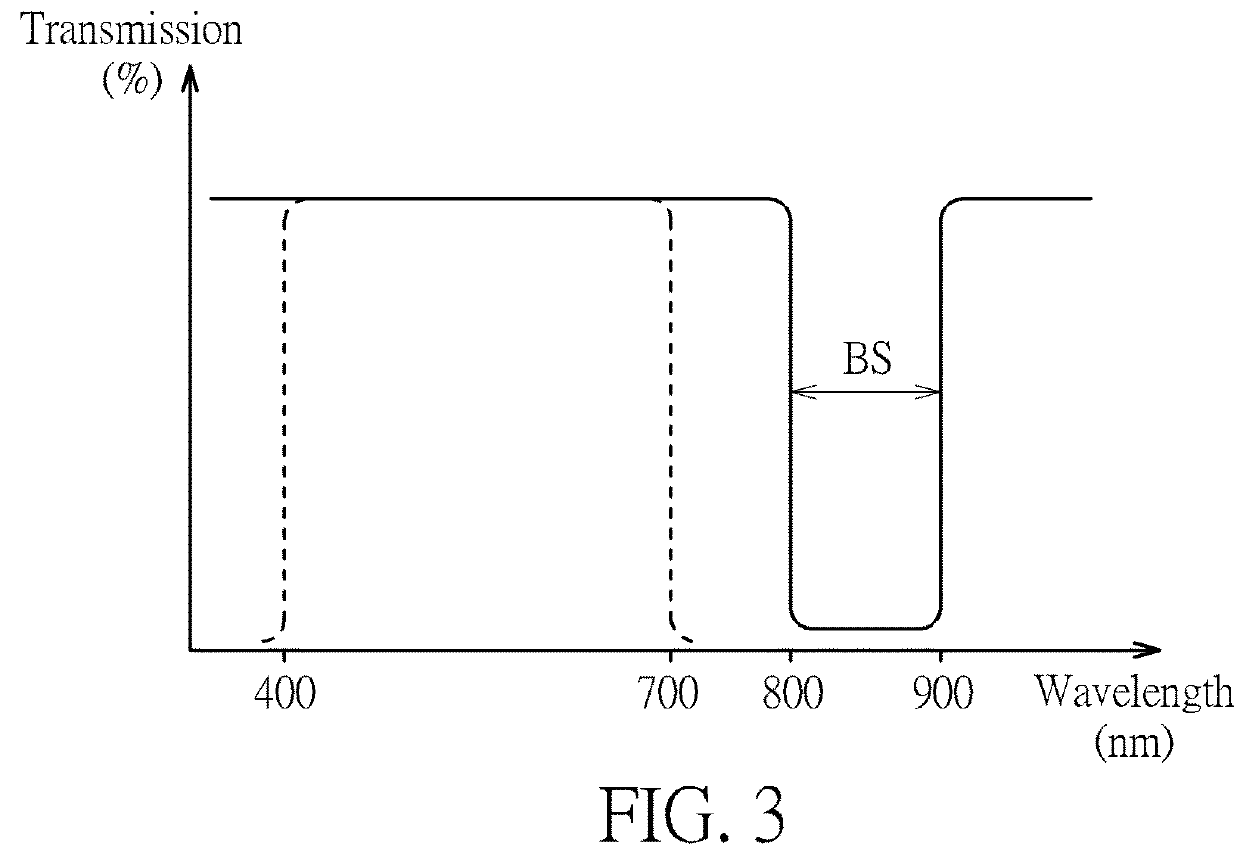
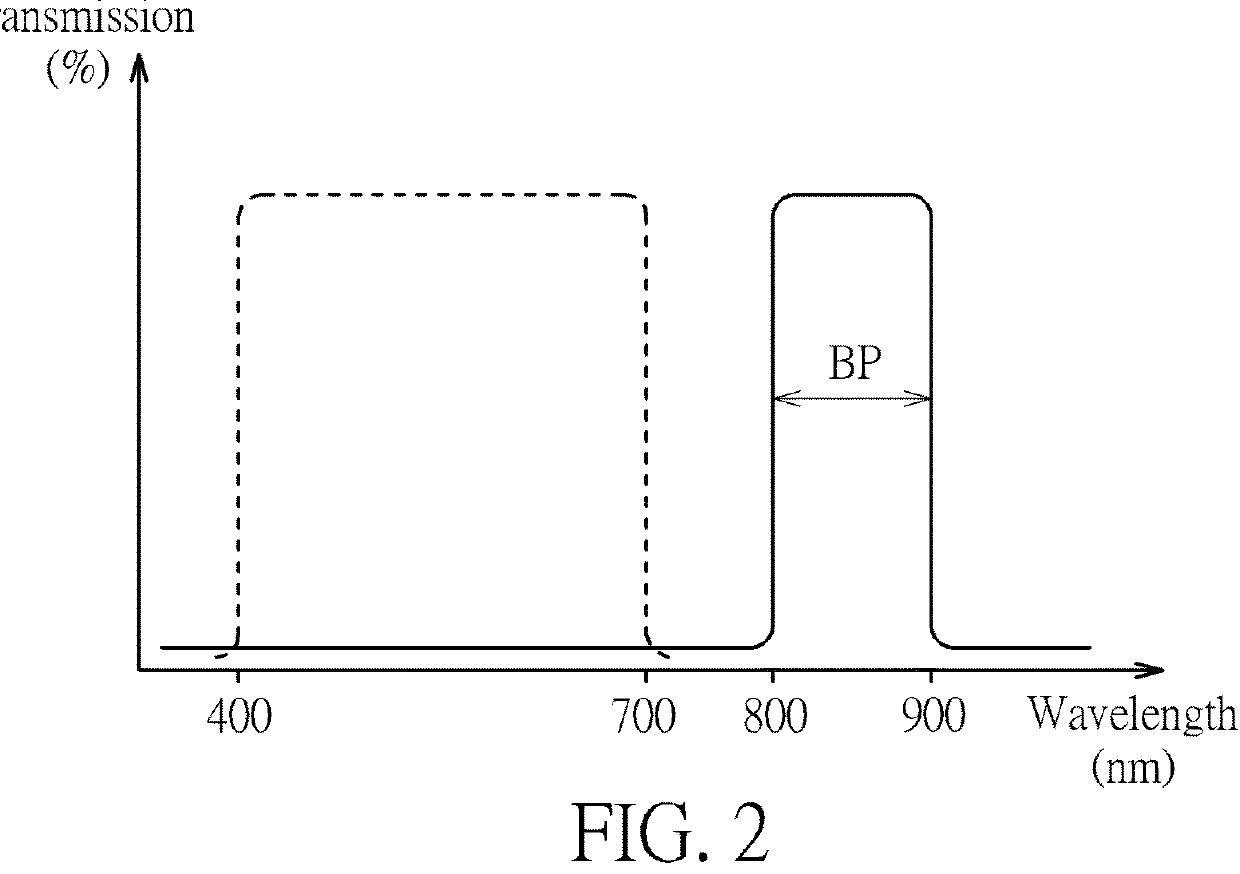
[0014]Please refer to FIG. 1. A camera 1 of an embodiment according to the invention includes a camera lens 12, a diaphragm 14, an image sensor 16, a light-sensing part 18, and a controller 20. The controller 20 is electrically connected to the diaphragm 14, the image sensor 16, and the light-sensing part 18. After external light (or ambient light relative to the camera 1) enters the camera 1 from the camera lens 12, the external light passes through the diaphragm 14 to reach the image sensor 16. The controller 20 analyzes sensed signals of the image sensor 16 to form an image. The diaphragm 14 is disposed on the optical path of the external light before the external light reaches the image sensor 16. The diaphragm 14 has an aperture corresponding to the camera lens 12. The aperture is used to limit the amount of the external light passing through the diaphragm 14. Furthermore, the camera 1 further includes an auxiliary light source 22 electrically connected to the controller 20. Wh...
PUM
 Login to View More
 Abstract
Description
Claims
Application Information
 Login to View More