
Display device
a display device and active matrix technology, applied in the direction of luminescnet screens, identification means, instruments, etc., can solve the problems of large parasitic capacitance associated with each data line, large load on the data line "sig" and other problems, to achieve the effect of large parasitic capacitance on the parasitic capacitance of each data lin
- Summary
- Abstract
- Description
- Claims
- Application Information
AI Technical Summary
Problems solved by technology
Method used
Image

Examples
Embodiment Construction
The present invention is described in further detail below with reference to embodiments in conjunction with the accompanying drawings.
(General Construction of Active Matrix Substrate)
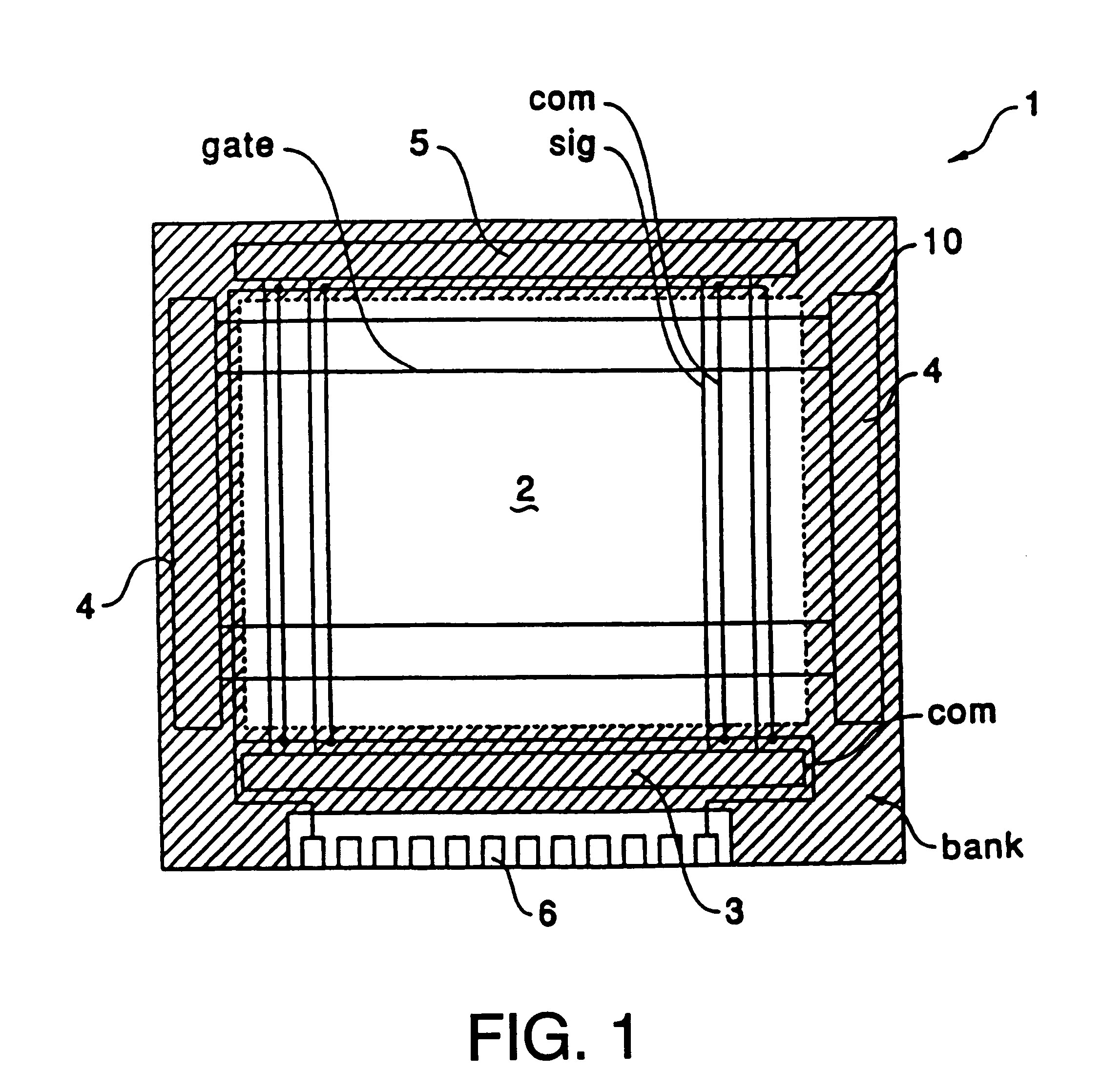
FIG. 1 is a block diagram schematically illustrating the general layout of a display device.
In the display device 1 according to the present embodiment, as shown in FIG. 1, a display area 2 is formed in the center of the surface of a transparent substrate 10 serving as a base member of the display device. In a peripheral area on the transparent substrate 10, a data line driving circuit 3 (first driving circuit) for outputting an image signal and a test circuit 5 are formed on respective sides at ends of data lines "sig", and scanning line driving circuits 4 (second driving circuits) for outputting a scanning signal are formed on respective sides at both ends of scanning lines ("gate"). In these driving circuits 3 and 4, a shift register, level shifters, and analog switches are formed using complementar...
PUM
 Login to View More
 Abstract
Description
Claims
Application Information
 Login to View More