Device and method for testing diffusion performance of oil-gas components in pore medium

A technology of diffusion performance and porous media, which is applied in the field of experimental devices for the diffusion performance of oil and gas components in porous media, which can solve the problems of lag in the test process, inability to control the timing of contact between two fluids, and inability to measure static diffusion properties, and achieve measurement accuracy. improved effect

CN102879303BActive Publication Date: 2014-09-24PETROCHINA CO LTD
6 Cites 0 Cited by

Patent Information

Authority / Receiving Office
CN · China
Patent Type
Patents(China)
Current Assignee / Owner
Publication Date
2014-09-24

Smart Images

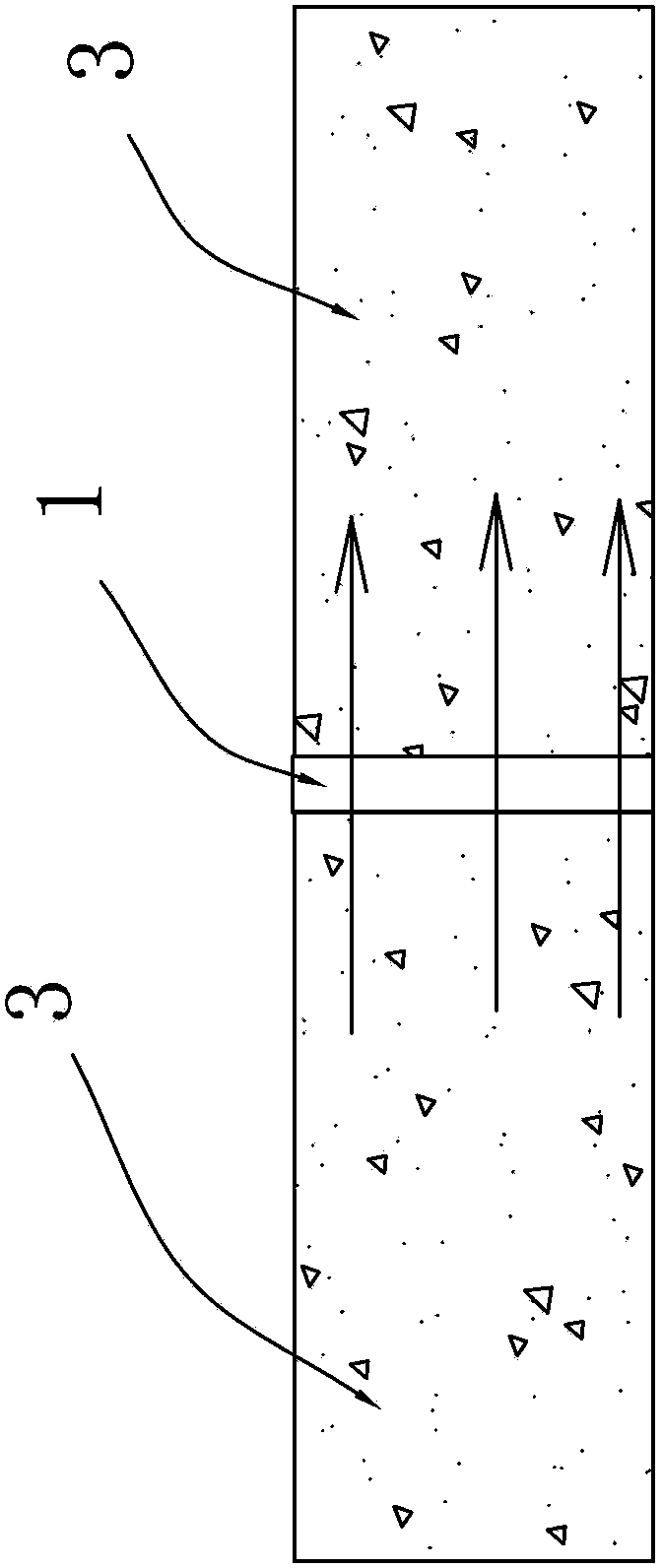
  • Figure 1
    Figure 1
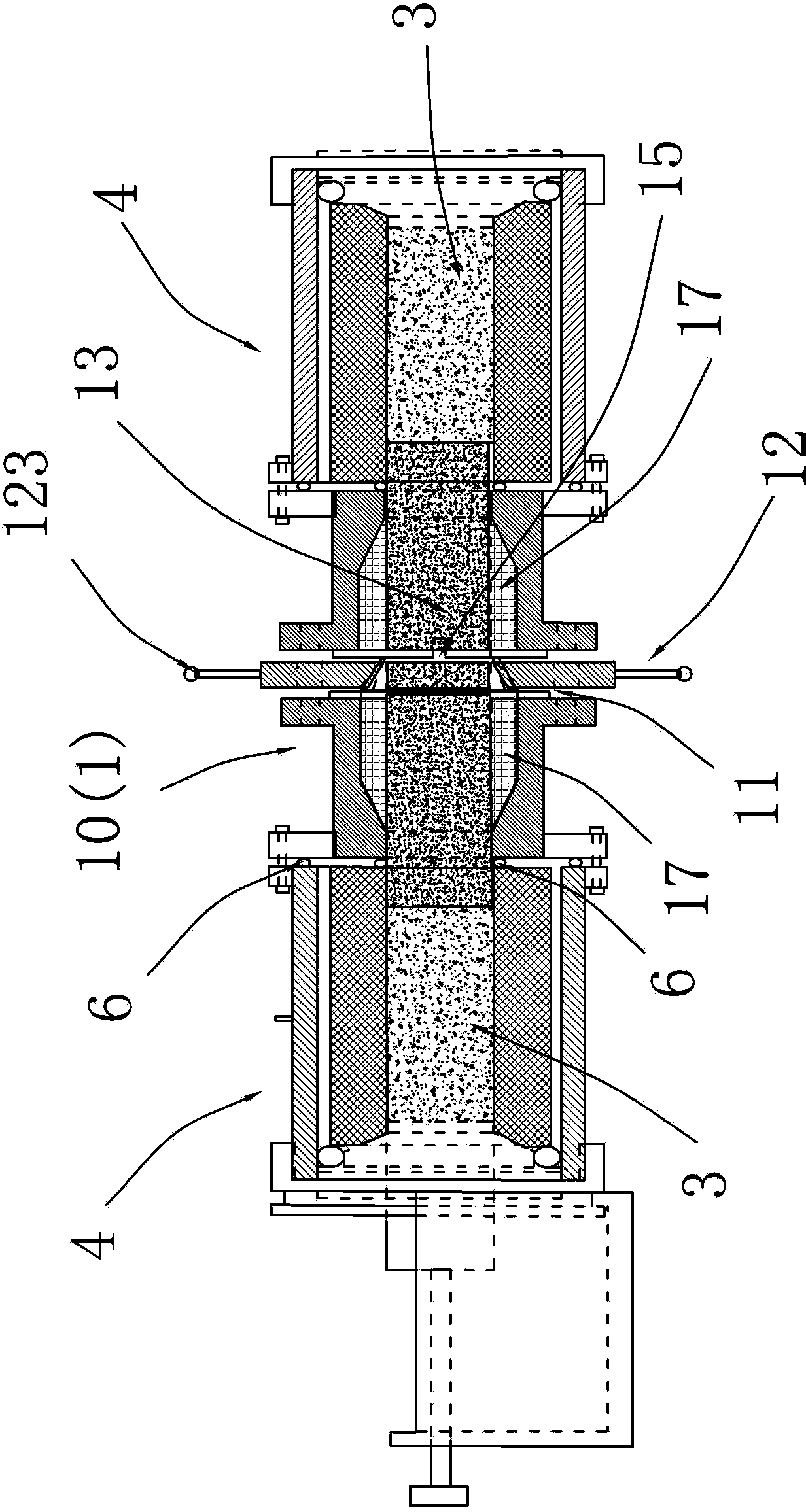
  • Figure 2
    Figure 2
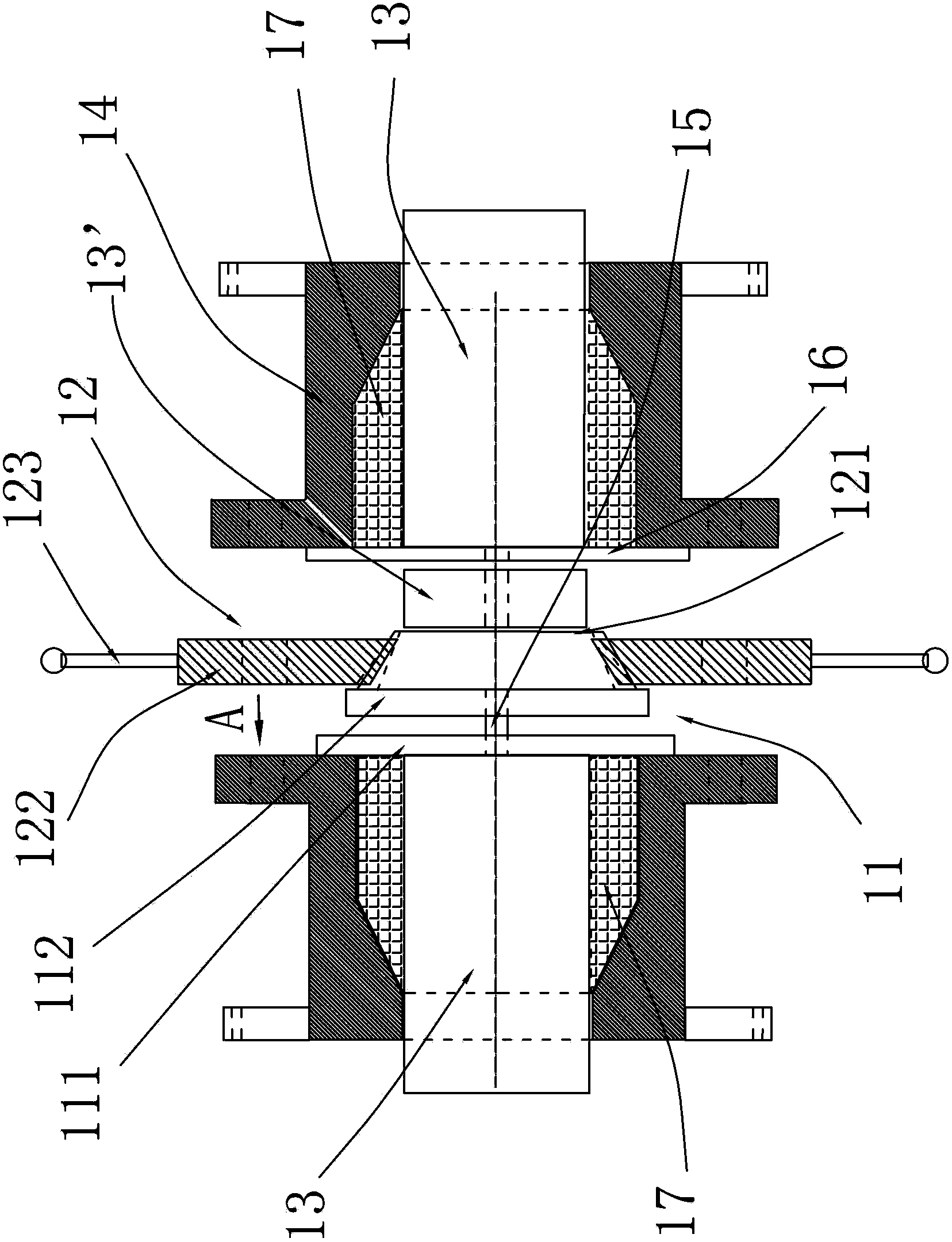
  • Figure 3
    Figure 3
Patent Text Reader

Abstract

The invention provides a device and a method for testing diffusion performance of oil-gas components in a pore medium. The testing device comprises a communicating valve, wherein the communicating valve is clamped between testing cores in a core clamping device; the testing cores are arranged on two sides of the communicating valve; the communicating area of the communicating valve is more than or equal to 1 / 2 of the cross sectional area of the testing cores; fluid can be respectively injected into the testing cores which are positioned on the two sides of the communicating valve through the clamping device; and the testing cores positioned on the two sides of the communicating valve are controlled to be communicated with or separated from each other through the communicating valve. Because the communicating valve is arranged between the two testing cores, the initial diffusion moment of the components can be strictly controlled, and the measurement accuracy is improved; static diffusion property measurement under pore medium conditions can be realized; and moreover, the reaction can be stopped and other fluid involved testing research can be carried out according to the design under control of the valve.
Need to check novelty before this filing date? Find Prior Art

Description

technical field

[0001] The invention belongs to the technical field of fluid physical property measurement, and mainly relates to the test of the diffusion performance of components in porous media, in particular to an experimental device and an experimental method for the diffusion performance of oil and gas components in porous media. Background technique

[0002] The test experiment of the diffusion performance of components between fluids is an important research parameter in major disciplines such as fluid mechanics, seepage mechanics and gas dynamics. The diffusion performance of oil and gas components in porous media is an important basis for reservoir design and an important research parameter for oil and gas field development experiments.

[0003] At present, the testing process of component diffusion performance in porous media is complicated, and the operation accuracy is limited by many factors. The progress of this performance testing in the experimental researc...

Examples

example 2

[0102] The same experiment was compared with the conventional diffusion performance experimental method. The content of the experiment: test the kerosene and CO at 60°C and 5MPa 2 The component diffusion velocity of 1 is filled with sandstone on both sides of the connecting valve 1 to form a sandstone model with a pore structure, i.e. the test core 3. The total length of the physical model (test core 3) is 5cm and the diameter is 25mm. 1 measurement point, located in the middle of the rock core. The experimental operation process is briefly described as follows:

[0103] ①The conventional method connects isothermal and isobaric oil samples and gas samples on both sides of the core holder after vacuuming; at the same time, the inlet valves on both sides of the core holder are opened, and the oil and gas enter the core at a constant pressure at the same time, and the valves on both sides are closed. Stabilize for 10 minutes; regularly take gas samples to analyze CO 2 content. ...