
Rolling method for optimizing the surface quality of hot-rolled steel sheets
A surface quality, hot-rolled steel plate technology, applied in the direction of tension/pressure control, etc., can solve the problems of high production cost, thick oxide scale, etc., achieve the effect of reducing indentation and red scale, uniform microstructure, and good surface quality
- Summary
- Abstract
- Description
- Claims
- Application Information
AI Technical Summary
Problems solved by technology
Method used
Image

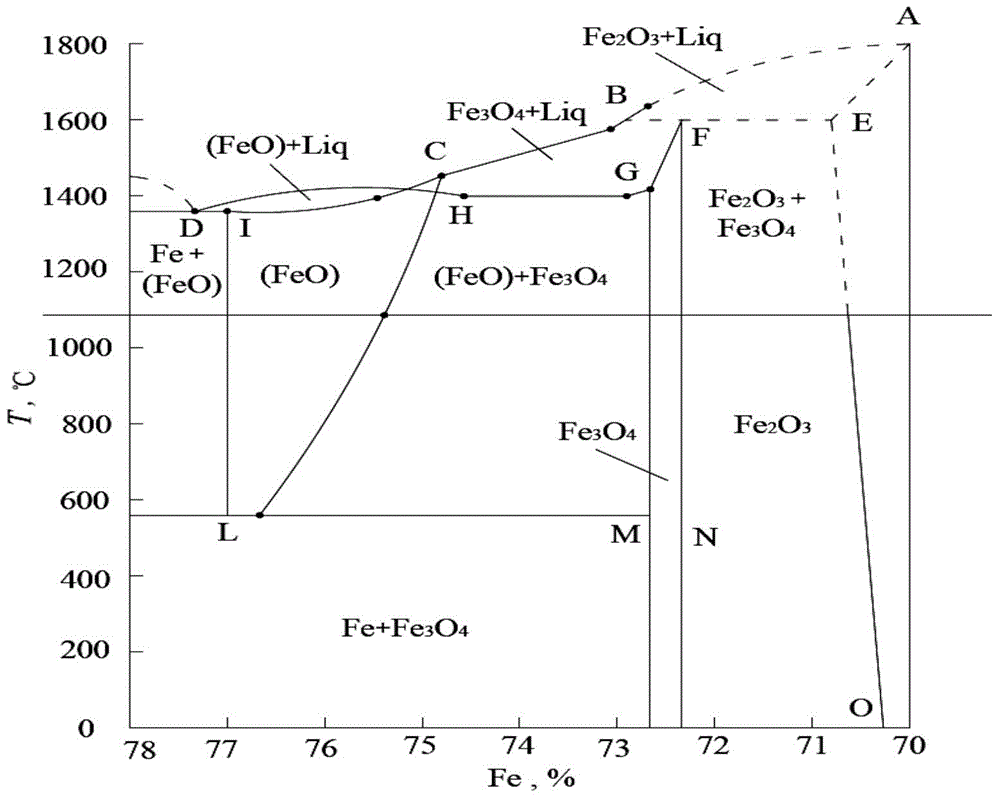
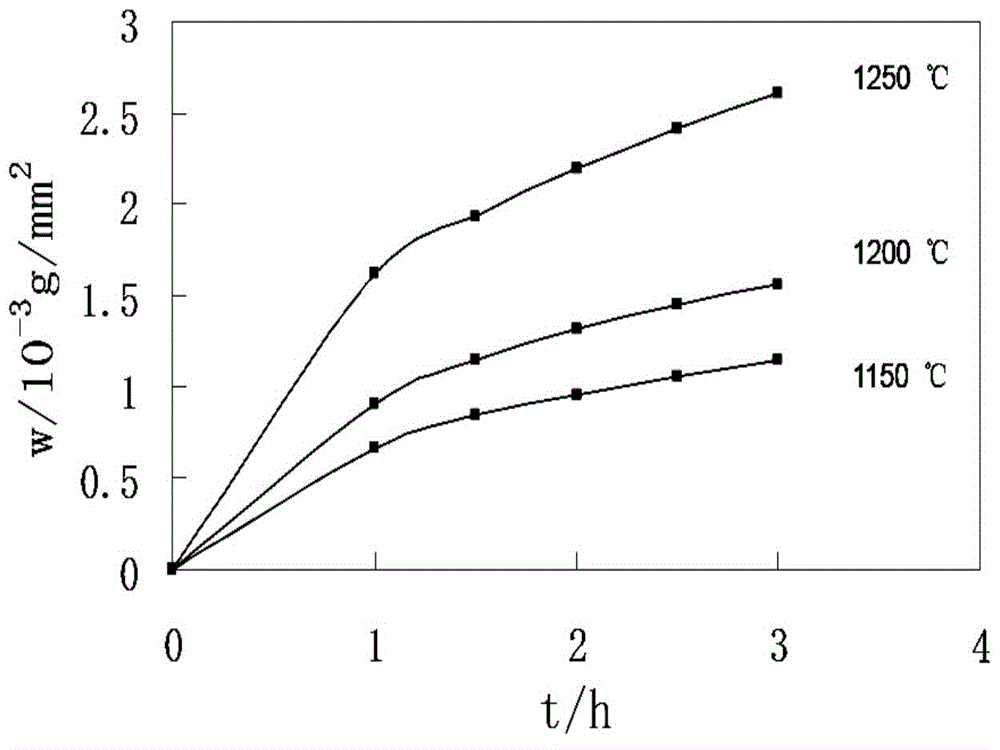
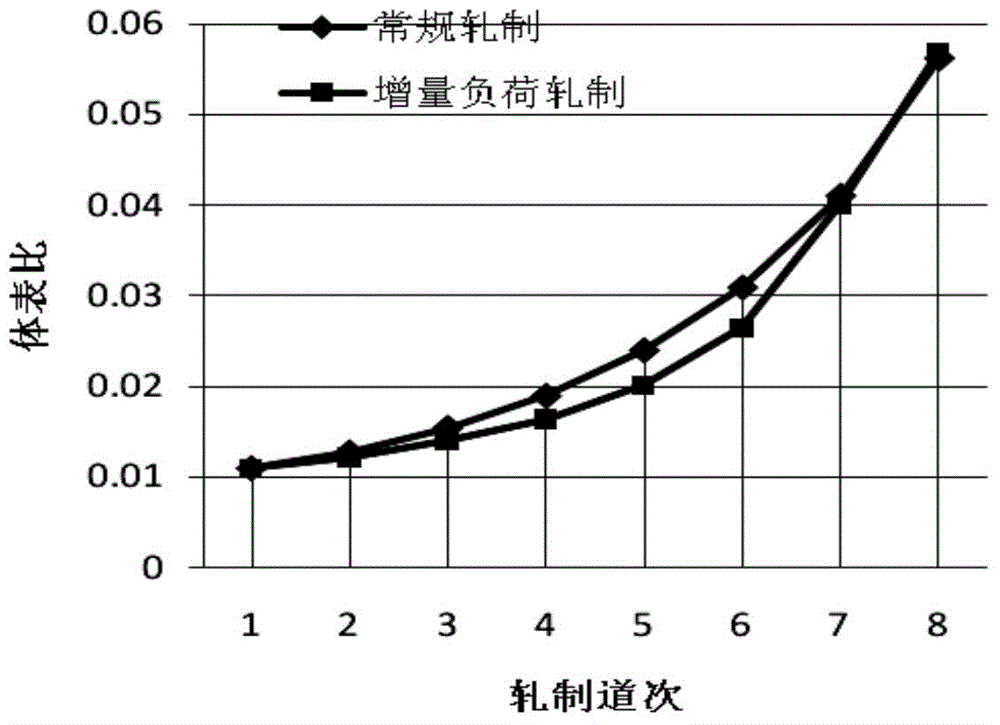
Examples
Embodiment 1
[0067] The roughing mill consists of two roughing mills, R1 and R2. R1 is a two-high rolling mill that only rolls one pass, and R2 is a four-high reversible roughing mill with vertical rolls, rolling 7 passes, the largest rolling mill The pressure is 5000t, and the main drive motor capacity is 2×7500kW. The thickness of the continuous casting slab is 200~250mm, the width is 1600mm, the length is 10000mm, the thickness of the intermediate slab is 20~60mm, and the total rough rolling deformation is 85.1%. In the fifth pass, a rough rolling descaling is performed, except for the first pass and the last pass. Except for one pass, the reduction of the remaining passes is controlled to increase linearly from pass to pass. The rolling data of the continuous casting billet of Example 1 in each pass is shown in Table 1.
[0068] Another example of rolling by the conventional rough rolling method is set as Comparative Example 1 of Example 1. First, the continuous casting slab is descaled w...
Embodiment 2
[0076] The roughing mill is a four-high reversing mill with a maximum rolling pressure of 58854kN, a maximum rolling torque of 5493kJ, and a main drive motor capacity of 2×4600kW; the thickness of the continuous casting slab is 200mm, the width is 1550mm, the length is 3100mm, the thickness of the intermediate slab is 60mm, and the width 2600mm.
[0077] First, the continuous casting slab is subjected to conventional descaling; then, the rough rolling is carried out. The rough rolling pass is set to 7 passes. The width of the slab is first cross-rolled to make the width of the slab equal to the width of the steel plate, and then the slab is rolled to the end by 90°, except for the first pass. Except for the last pass, the reduction of each pass is controlled to increase linearly from pass to pass, and the total rough rolling deformation is 70%. The rolling data of the continuous casting billet of Example 2 in each pass is shown in Table 3.
[0078] Another example of rolling by the...
Embodiment 3
[0085] The roughing unit is a semi-continuous roughing mill composed of a two-high irreversible rolling mill and a four-high reversing rolling mill. The work roll diameter of the two-high mill is 1200~1350mm, the maximum rolling pressure is 3000t, and the main drive motor capacity is 2×5000kW; the work roll diameter of the four-high mill is 1100~1200mm, the maximum rolling pressure is 4500t, and the main drive motor The capacity is 2×7500kW; the thickness of the continuous casting slab is 200-250mm, the width is 1400mm, the length is 11900mm, the thickness of the intermediate slab is 38mm, and the width is 1289mm. The total deformation of rough rolling is 84.3%.
[0086] First, the continuous casting billet is subjected to conventional descaling; then, rough rolling is carried out. The rough rolling pass is set to 6 passes, among which, the two-high rolling mill rolls 1 pass, the four-high rolling mill rolls 5 passes, except for the first pass Except for the last pass, the reduc...
PUM
| Property | Measurement | Unit |
|---|---|---|
| thickness | aaaaa | aaaaa |
| width | aaaaa | aaaaa |
| length | aaaaa | aaaaa |
Abstract
Description
Claims
Application Information
 Login to View More