

Application of human tCD109 and detection kit thereof in diagnosis of pancreatic cancers
A technology of tcd109 and kit, applied in the field of genetic engineering biology, can solve the problem of less research on the role of CD109
- Summary
- Abstract
- Description
- Claims
- Application Information
AI Technical Summary
Problems solved by technology
Method used
Image

Examples
Embodiment 1
[0028] Example 1. Identification of tCD109 sequence
[0029] The tCD109 sequence identification method includes the following steps:
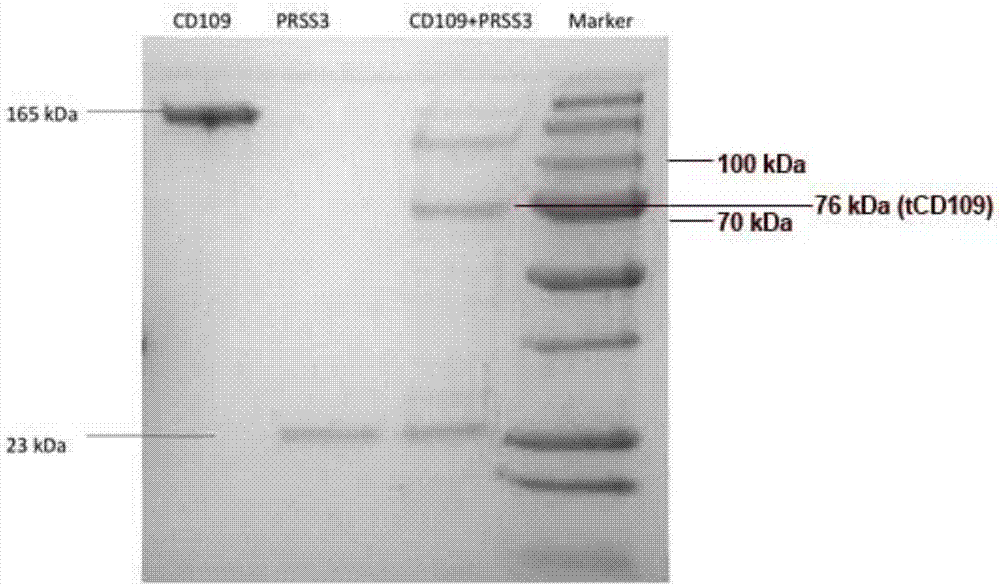
[0030] (1) Biotinylation, lysis and capture of CD109 off. The human pancreatic cancer Patu8988s cell monolayers that were normally cultured to 90-95% in a 24-well plate were thoroughly washed with ice-cold PBS, and 300μl containing biotin-XX, SSE (final concentration 0.5mg / ml, Invitrogen) in PBS / 4% DMSO solution for 30 minutes. Subsequently, the cells were washed, cultured with 1 ml DMEM serum-free medium, and treated with a final concentration of 200 nM of active PRSS3 at 37° C. for 4 h, while adding an equal volume of solvent without active PRSS3 as a control. The conditioned medium was collected and the biotinylated protein was separated using Streptavidin Agarose Resin. The protein was separated and stained by SDS-PAGE gel.
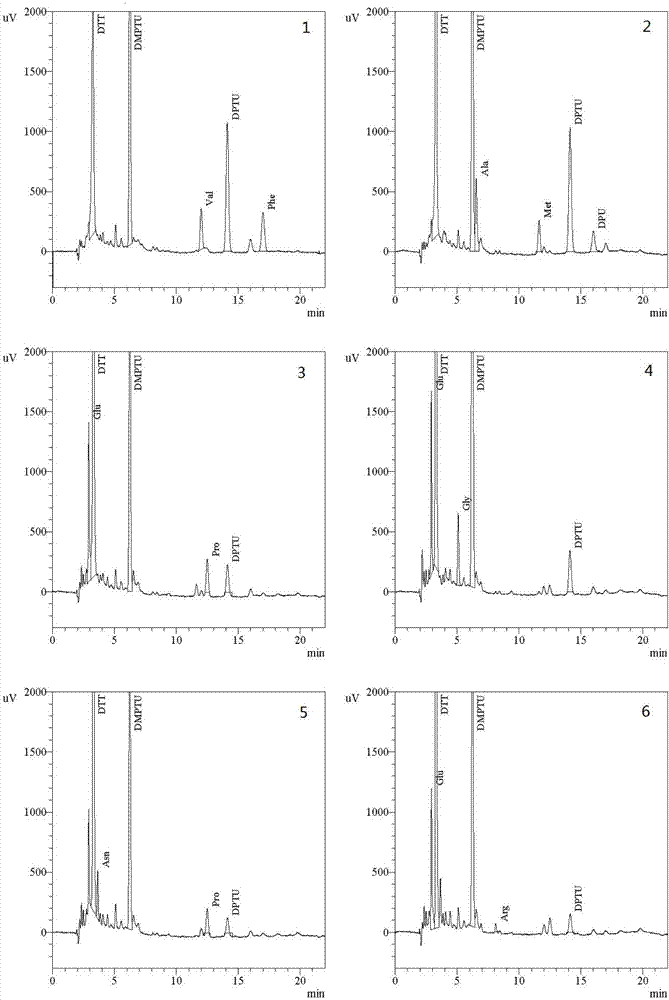
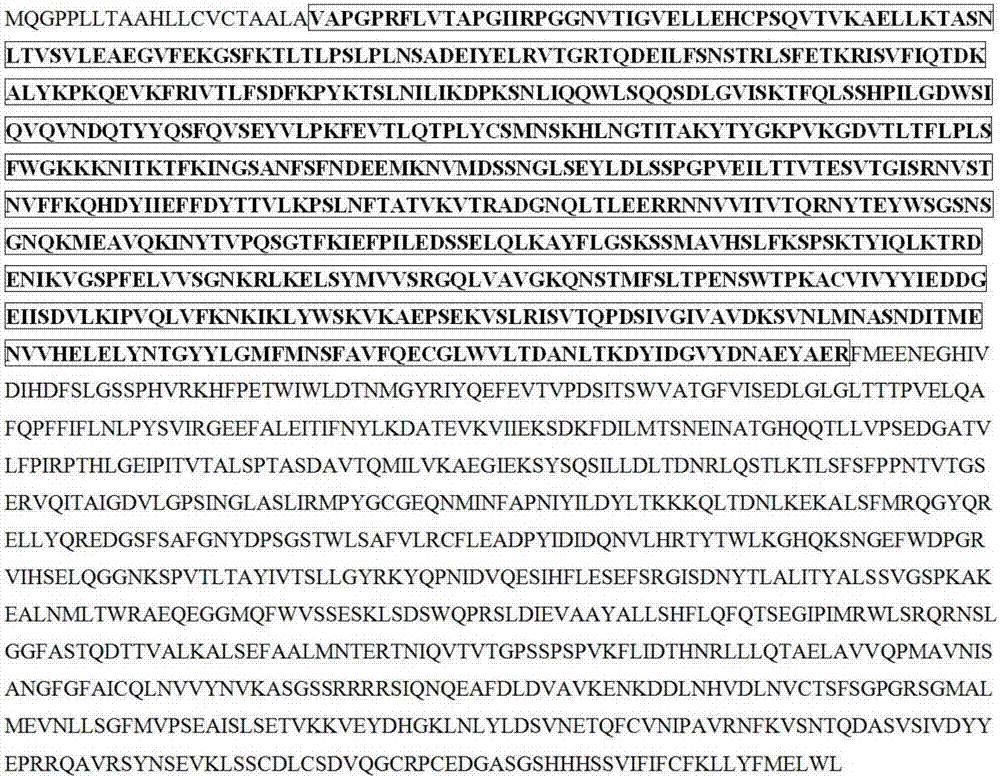
[0031] (2) Identification of the amino acid sequence of shedding CD109. After PRSS3 treatment, the biotinylated prote...
Embodiment 2
[0032] Example 2. Detection method and prognosis analysis of tCD109 in serum of human pancreatic cancer patients
[0033] 2.1, detection method
PUM
 Login to View More
 Abstract
Description
Claims
Application Information
 Login to View More