A low-power white light-driven photosensitizer for mitochondrial-targeted fluorescent probes and its synthesis method and application

A technology of fluorescent probe and synthesis method, applied in the field of preparation of fluorescent probe

CN107722055BActive Publication Date: 2020-04-03深圳市益光智能化有限公司
4 Cites 2 Cited by

Patent Information

Authority / Receiving Office
CN · China
Patent Type
Patents(China)
Current Assignee / Owner
Publication Date
2020-04-03

Smart Images

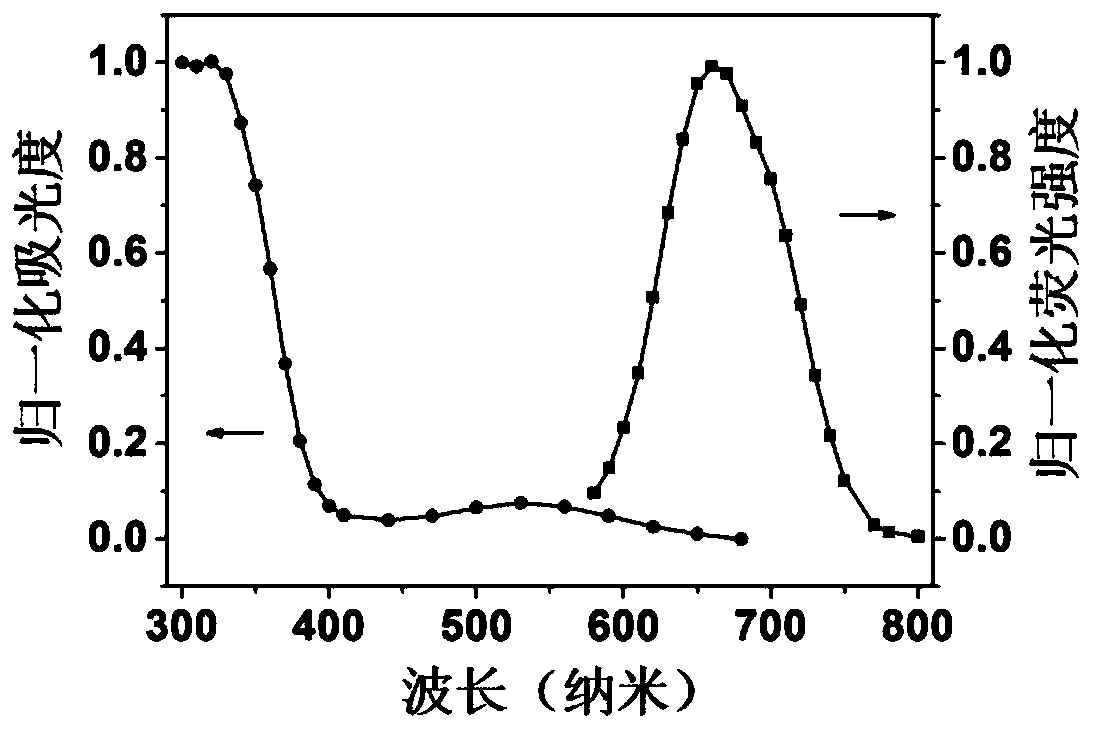
  • Figure 1
    Figure 1
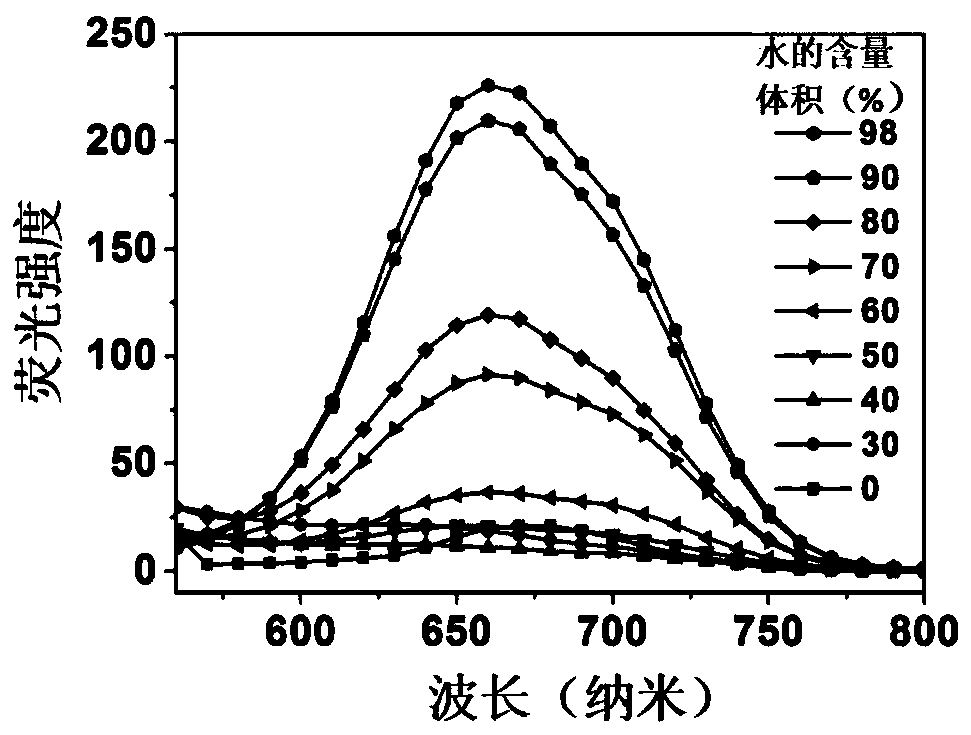
  • Figure 2
    Figure 2
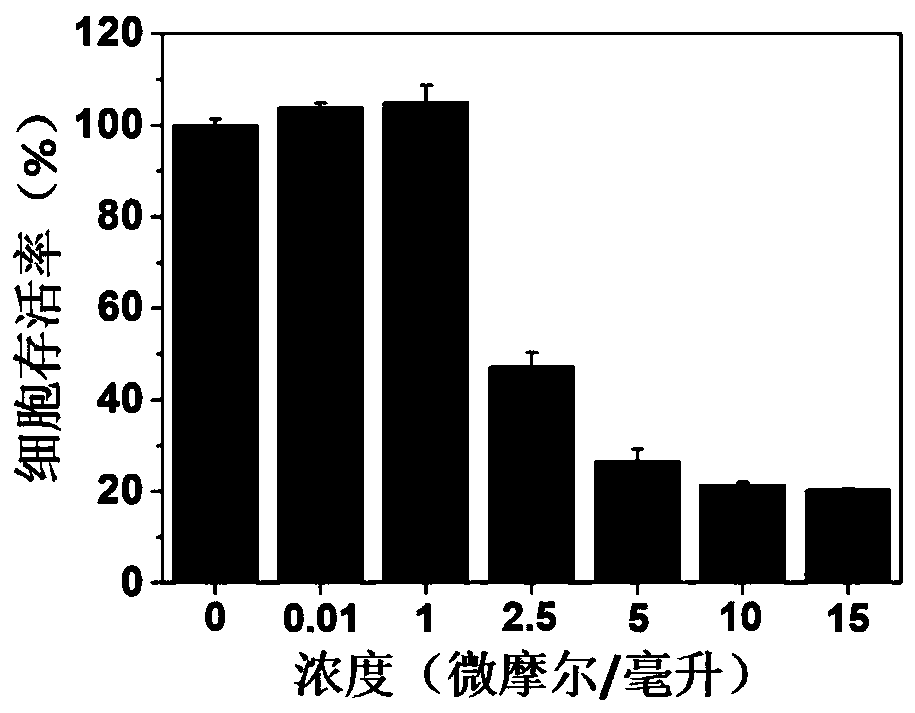
  • Figure 3
    Figure 3
Patent Text Reader

Abstract

A low-power white-light-driven mitochondrial-targeting fluorescent probe photosensitizer as well as a synthesis method and application thereof are disclosed. The molecular formula of the photosensitizer is shown in the description, and is short for AIE-FR-TPP. The photosensitizer has the advantages that the photosensitizer has aggregation-induced luminescence characteristics and zebrafish mitochondrial targeting characteristics, generates reactive oxygen for photodynamic therapy under low-power white light irradiation, and can monitor the morphological changes of zebrafish mitochondria on reactive oxygen species damage in real time, and is taken as a favorable research tool for real-time monitoring of zebrafish mitochondrial fluorescence imaging and photodynamic therapy. The probe photosensitizer not only has zebrafish mitochondria specific imaging capabilities and photodynamic therapy properties, but also can monitor mitochondrial reactive oxygen species damage in situ in real time.
Need to check novelty before this filing date? Find Prior Art

Description

technical field

[0001] The invention relates to an imaging and photodynamic therapy technology based on a fluorescent photosensitizer, and is a preparation method of a fluorescent probe driven by a low-power white light that can be used to induce and monitor reactive oxygen species damage in zebrafish mitochondria in real time. Background technique

[0002] Technologies that combine imaging and therapeutic agents into a single probe to visualize cancer therapy are urgently needed. At present, among various methods of diagnosis and treatment, photodynamic therapy has attracted extensive attention due to its high selectivity, little damage to normal cells, and non-invasive treatment. Photodynamic therapy mainly relies on photosensitizers that can generate reactive oxygen species under light conditions, thereby inducing cancer cell apoptosis and tissue destruction. Deep red / near-infrared luminescent (650-900nm) fluorescent labeling materials have high penetration and can effec...

Examples

Embodiment

[0039] A low-power white light-driven mitochondrial targeting fluorescent probe, the compound name is (((((2,5-bis((Z)-2-(3,5-bis(trifluoromethyl)phenyl)- 2-cyanovinyl)-1,4-phenylene)bis(anilino))bis(4,1-phenylene))bis(oxy))bis(butane-4,1-diyl )) bis(triphenylphosphine) bromide (abbreviated as AIE-FR-TPP), which emits red fluorescence under the irradiation of an ultraviolet lamp with a wavelength of 488nm, and the molecular structural formula of the compound AIE-FR-TPP is:

[0040]

[0041] Its preparation method, the steps are as follows:

[0042] 1) Compound 1 (0.097g, 0.1mmol), potassium carbonate (0.021g, 0.15mmol), 1,4-dibromobutane (0.432g, 2.0mmol) and 1mL of anhydrous acetone were uniformly mixed to obtain a mixed solution;

[0043] 2) Add the mixed solution into a 10mL round bottom flask, and heat the mixed solution to reflux for 48 hours;

[0044] 3) After the reaction finishes, unreacted potassium carbonate is removed by filtration to obtain the filtrate, then co...