Automatic demand-driven resource scaling for relational database-as-a-service

A database, automated technology used in database design/maintenance, resources, data processing applications, etc. to solve problems such as increased CPU requirements, poor performance, and inability to hire database administrators

CN107851106BActive Publication Date: 2022-03-15MICROSOFT TECH LICENSING LLC
7 Cites 0 Cited by

Patent Information

Authority / Receiving Office
CN · China
Patent Type
Patents(China)
Current Assignee / Owner
Publication Date
2022-03-15

Smart Images

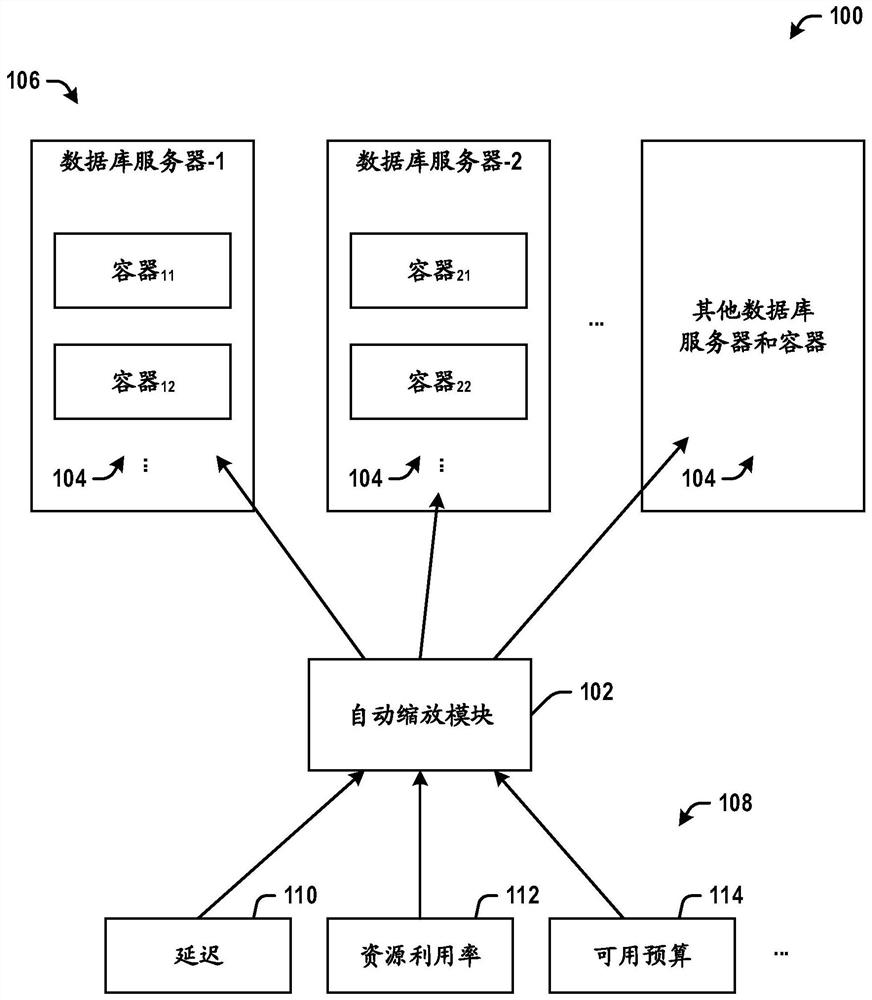
  • Figure 1
    Figure 1
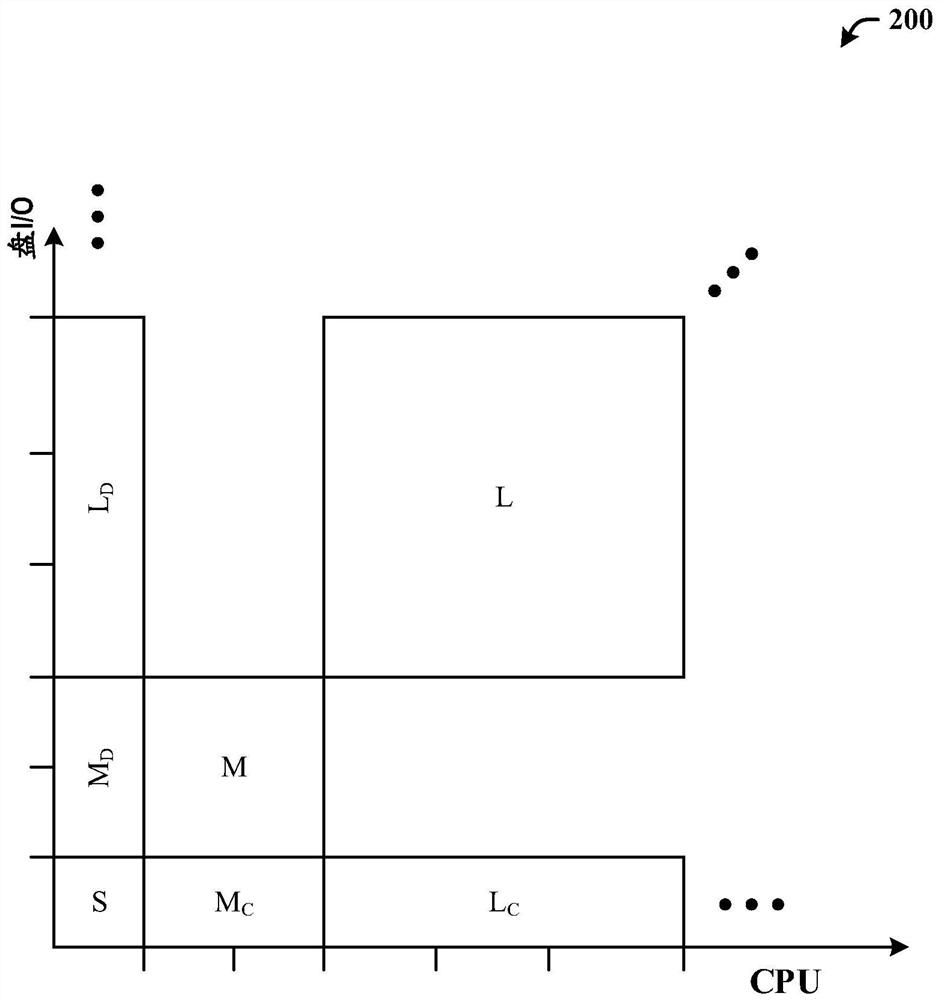
  • Figure 2
    Figure 2
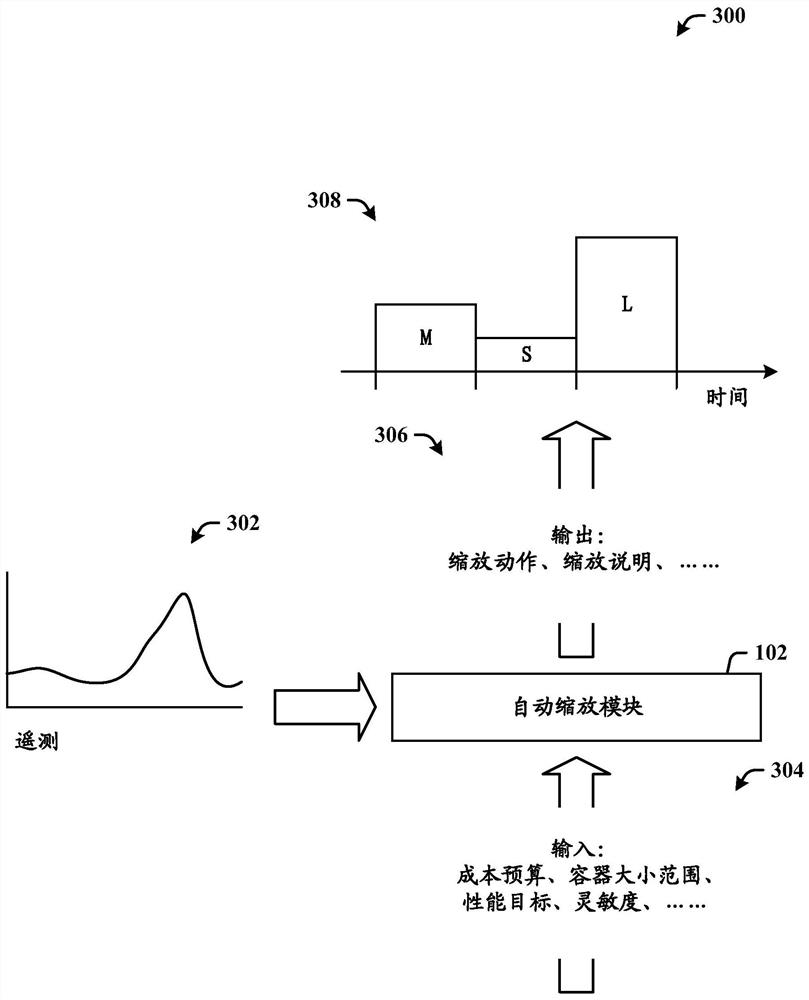
  • Figure 3
    Figure 3
Patent Text Reader

Abstract

An architecture that enables Database as a Service (DaaS) to automatically scale container sizes on behalf of tenants. Provides an abstraction that enables tenants to reason about monetary budgets and query latency, rather than resource provisioning. For example, an autoscaling module automatically determines container sizes for subsequent billing intervals based on telemetry including latency (eg, wait), resource utilization, and available budget. A robust set of signals are derived from database engine telemetry and combined to significantly improve the accuracy of resource demand estimates for database workloads. In a more specific implementation, resource requirements can be estimated for any SQL (Structured Query Language) workload in a relational database management system (RDBMS).
Need to check novelty before this filing date? Find Prior Art

Description

Background technique

[0001] The relational database-as-a-service (DaaS) platform supports the abstraction of resource containers, which guarantee a fixed amount of resources (for example, two virtual cores, 4GB of storage, 100 disk IOPS, and 1TB of disk space) and each billing interval Cost (for example, 50 cents per hour). Tenants are responsible for selecting the appropriate container size for their workload. To take advantage of cloud elasticity, DaaS platform tenants must estimate and manually change database container sizes. Tenants are billed for the maximum container size used within a billing interval, and pay the sum of charges for each billing interval.

[0002] Since resource requirements cannot be measured, the problem is estimating the requirements for the database workload. However, challenges arise due to the complexity of database engines and how multiple resources interact. For example, if the presented load increases, it does not necessarily mean that add...

Examples

Embodiment Construction

[0022] Many enterprises deploy mission-critical databases in database-as-a-service (DaaS) environments. DaaS offers elasticity, pay-per-use, and high availability. Since DaaS environments are multi-tenant, performance predictability through resource isolation is a requirement for such mission-critical databases. Commercial DaaS offerings now support resource isolation through logical or physical containers. Containers may be virtual machines (VMs) dedicated to tenant databases or logical containers (eg, SQL databases). Regardless of the specific container abstraction supported, each container guarantees a fixed set of resources (this set of fixed resources is called the container size).

[0023] Relational DaaS platforms support the abstraction of resource containers, which guarantee a fixed amount of resources. That said, resource containers are not designed to be elastic. One approach for DaaS platforms to support elasticity is to allow tenants to change the container si...