Large-Scale Image Retrieval Method Based on Deep Hashing and GPU Acceleration

A large-scale image retrieval technology, applied in the field of computer vision, can solve the problems of cost increase, multi-GPU, large limitations, etc., and achieve the effect of improving retrieval accuracy and speeding up retrieval

CN108920720BActive Publication Date: 2021-09-07UNIV OF ELECTRONICS SCI & TECH OF CHINA
11 Cites 0 Cited by

Patent Information

Authority / Receiving Office
CN · China
Patent Type
Patents(China)
Current Assignee / Owner
Publication Date
2021-09-07

Smart Images

  • Figure 1
    Figure 1
  • Figure 2
    Figure 2
  • Figure 3
    Figure 3
Patent Text Reader

Abstract

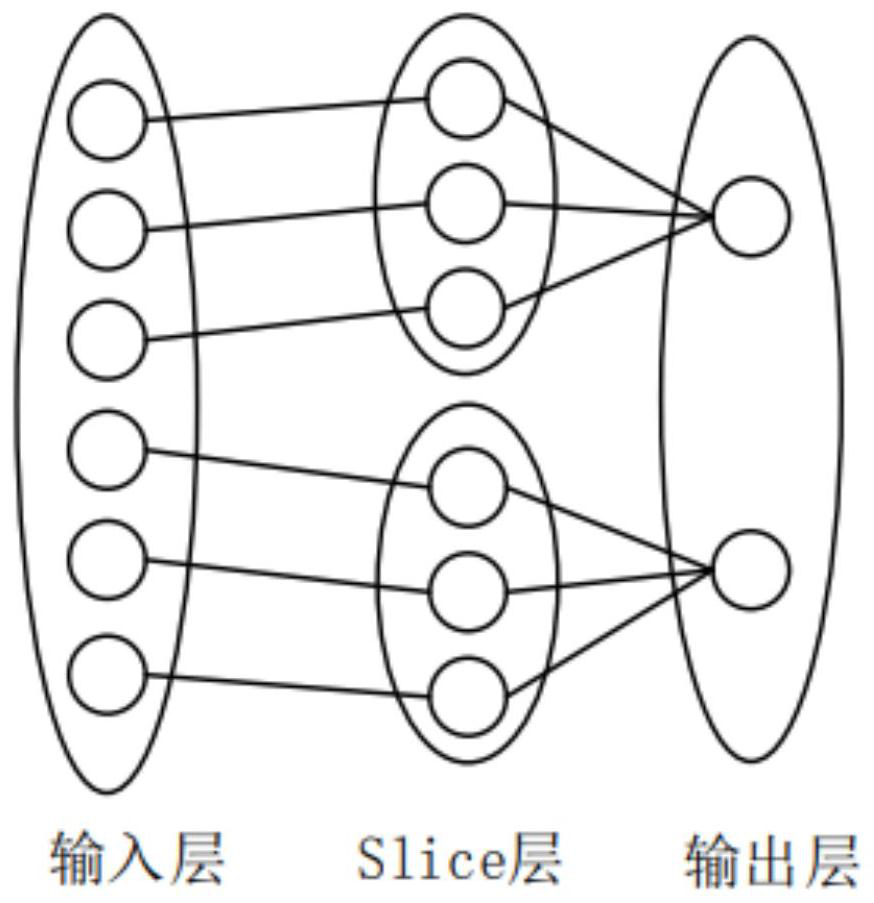
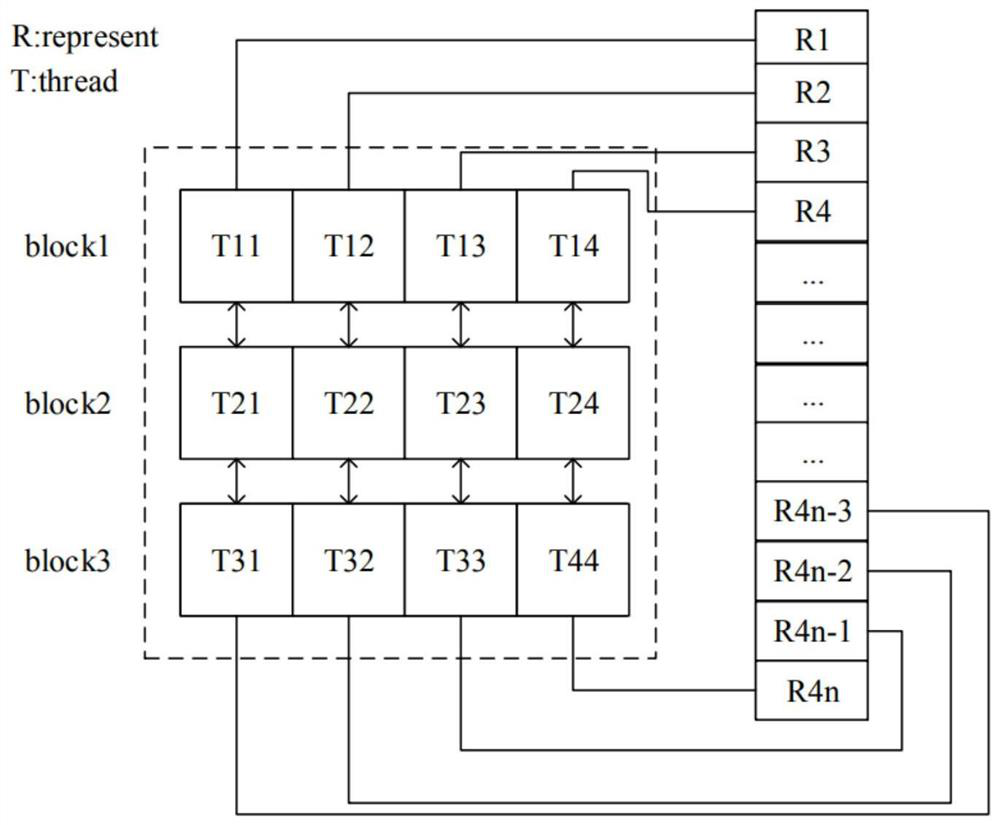
The invention discloses a large-scale image retrieval method based on deep hashing and GPU acceleration. The method is based on the hashing method of image pairs, adopts a multi-task deep learning mechanism, and combines a classification loss function with a comparison loss function. During the quantization process, While retaining the similarity between the image pairs, the semantic information of the image itself is preserved as much as possible, and the classification task and the quantization task guide each other to learn; at the same time, the local connection module is used to replace the fully connected layer of the quantization network to reduce the relationship between features. redundant information. A deeper network is designed and implemented, and the deep network can usually get a good feature representation. On the basis of Hamming sorting, a GPU-based multi-level parallel retrieval method is realized. The invention not only improves the retrieval accuracy, but also can achieve the effect of 0.8ms delay for a single retrieval in a million-scale image database.
Need to check novelty before this filing date? Find Prior Art

Description

technical field

[0001] The invention relates to the field of computer vision, in particular to a large-scale image retrieval method based on deep hashing and GPU acceleration. Background technique

[0002] In recent years, with the rapid development of the Internet and various multimedia devices, it has become more and more convenient to obtain images from the Internet. At the same time, the current social network has become more and more popular, such as Facebook, QQ, etc. According to incomplete According to statistics, the number of pictures added on the Internet every month is at the level of one billion. Coincidentally, as people become more and more accustomed to online shopping, tens of billions of pictures have also accumulated in the background systems of major e-commerce platforms. For these massive data, how to organize and effectively use these data has become an urgent problem to be solved. Therefore, image retrieval technology has attracted much attention and h...

Examples

Embodiment

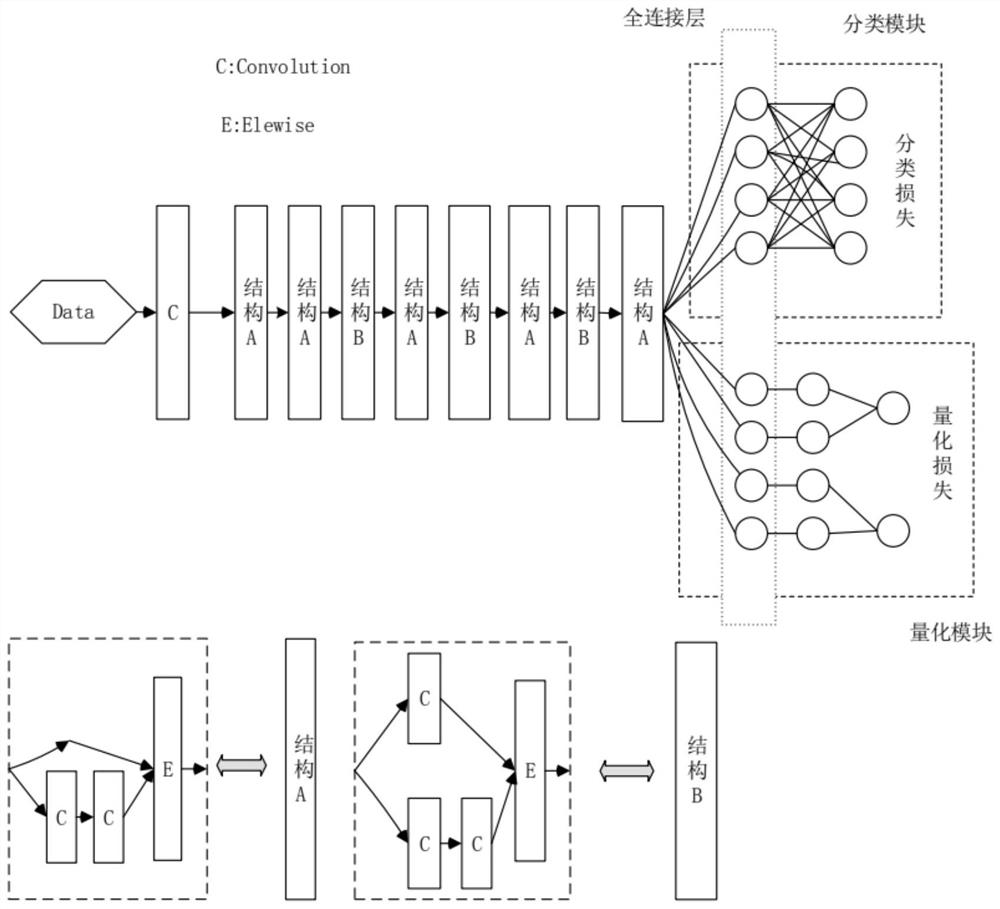
[0041] This embodiment proposes a large-scale image retrieval method based on deep hashing and GPU acceleration, wherein, such as figure 1 As shown, the deep hash network model of this embodiment is formed by stacking ResNet Building Blocks. Different from the traditional neural network structure, ResNet's Building Block structure includes a residual structure on the backbone and a short-cut structure on the branch. The short-cut structure is used to fuse low-level feature information with high-level feature information. , avoiding vanishing gradients and enabling deeper network hierarchies.

[0042] like figure 1 In structure A, for the original input, feature extraction is performed by two convolutional layers first, and then the original input and the output of the convolutional layer are used as input, and the Elewise layer passes through, which is also the standard Building Block structure of ResNet. In structure B, for the original input, feature extraction is performe...