
Construction method of Mia3 conditional gene knockout mouse model
A method of constructing a mouse model, which can be applied to other methods of inserting foreign genetic materials, genetic engineering, plant genetic improvement, etc., to achieve the effect of low cost, time saving and cost saving
Active Publication Date: 2022-06-10
广东药康生物科技有限公司
View PDF6 Cites 0 Cited by
- Summary
- Abstract
- Description
- Claims
- Application Information
AI Technical Summary
Problems solved by technology
[0007] At present, there are no relevant reports on the construction of Mia3 gene conditional knockout mice using CRISPR / Cas9 technology
Method used
the structure of the environmentally friendly knitted fabric provided by the present invention; figure 2 Flow chart of the yarn wrapping machine for environmentally friendly knitted fabrics and storage devices; image 3 Is the parameter map of the yarn covering machine
View moreImage
Smart Image Click on the blue labels to locate them in the text.
Smart ImageViewing Examples

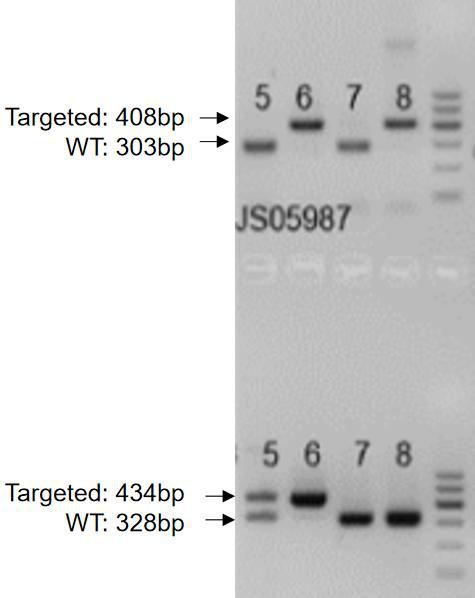
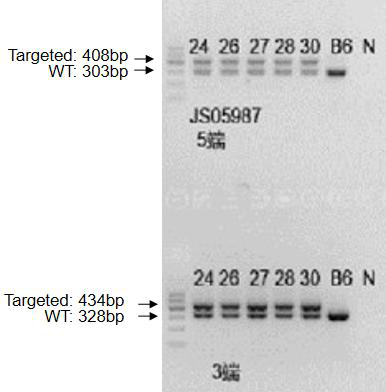
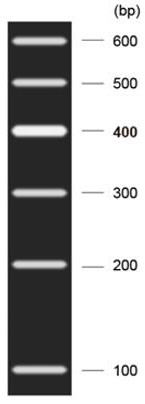
Examples
Experimental program
Comparison scheme
Effect test
Embodiment 1
the structure of the environmentally friendly knitted fabric provided by the present invention; figure 2 Flow chart of the yarn wrapping machine for environmentally friendly knitted fabrics and storage devices; image 3 Is the parameter map of the yarn covering machine
Login to View More PUM
 Login to View More
 Abstract
The invention relates to a method for constructing a Mia3 gene conditional knockout mouse model by using a CRISPR (clustered regularly interspaced short palindromic repeats) / Cas9 (CRISPR associated protein 9) technology. The method comprises the following steps: 1, designing sgRNA (small guide ribonucleic acid) aiming at mouse Mia3 gene Exon2-Exon7, 2, obtaining the sgRNA by using an in-vitro transcription technology, and 3, co-injecting or co-electrically transferring a targeting vector, the sgRNA and Cas9 protein to a mouse fertilized egg. Compared with a traditional ES targeting mouse model, the Mia3 gene conditional knockout mouse model constructed for the first time has the characteristics of high efficiency, rapidness, simplicity, convenience, low cost and the like, and the expression of the gene in a specific tissue or specific time can be regulated through Cre.
Description
technical field [0001] The invention belongs to the field of genetic engineering, and in particular relates to a method for constructing a Mia3 conditional gene knockout mouse model and an application thereof. Background technique [0002] CRISPR / Cas9 technology achieves specific DNA recognition by designing specific sgRNA, and completes cutting at the targeted position, and then completes the repair of the break through the cell's own DNA repair mechanism, thereby realizing the "editing" of the target gene. With the development of CRISPR / Cas9 technology and the deepening of research, it has been widely used to construct transgenic model animals (mainly gene-edited mice), so as to provide basic research on animal-level treatment before clinical trials. [0003] Both the research on the pathogenesis of human diseases and the screening of effective therapeutic drugs require a large number of preclinical trials. Due to the ethical constraints of directly using human cells and ...
Claims
the structure of the environmentally friendly knitted fabric provided by the present invention; figure 2 Flow chart of the yarn wrapping machine for environmentally friendly knitted fabrics and storage devices; image 3 Is the parameter map of the yarn covering machine
Login to View More Application Information
Patent Timeline
 Login to View More
 Patent Type & AuthorityApplications(China)
IPC IPC(8): C12N15/89C12N15/87C12N9/22C12N15/113C12N15/12A01K67/027C12Q1/6888C12N15/11A61K49/00
CPCC12N15/89C12N15/87C12N9/22C12N15/1135C07K14/4703A01K67/0276C12Q1/6888A61K49/0008C12N2310/20A01K2217/075A01K2217/15A01K2217/206A01K2227/105A01K2267/0331A01K2267/0375C12Q2600/124C12Q2600/156
Inventor梁馨元王韬蒋余亭黎晓雯郑桂纯
Owner广东药康生物科技有限公司