
Implantable device prepared from melt processing
a technology of implantable devices and melt processing, which is applied in the field of intraluminal polymeric stents, can solve the problems of inadequate tailoring of intraluminal stents, and achieve the effects of facilitating the design of stents, enhancing the physical and/or mechanical properties of one or more components, and a wider range of loading conditions
- Summary
- Abstract
- Description
- Claims
- Application Information
AI Technical Summary
Benefits of technology
Problems solved by technology
Method used
Image

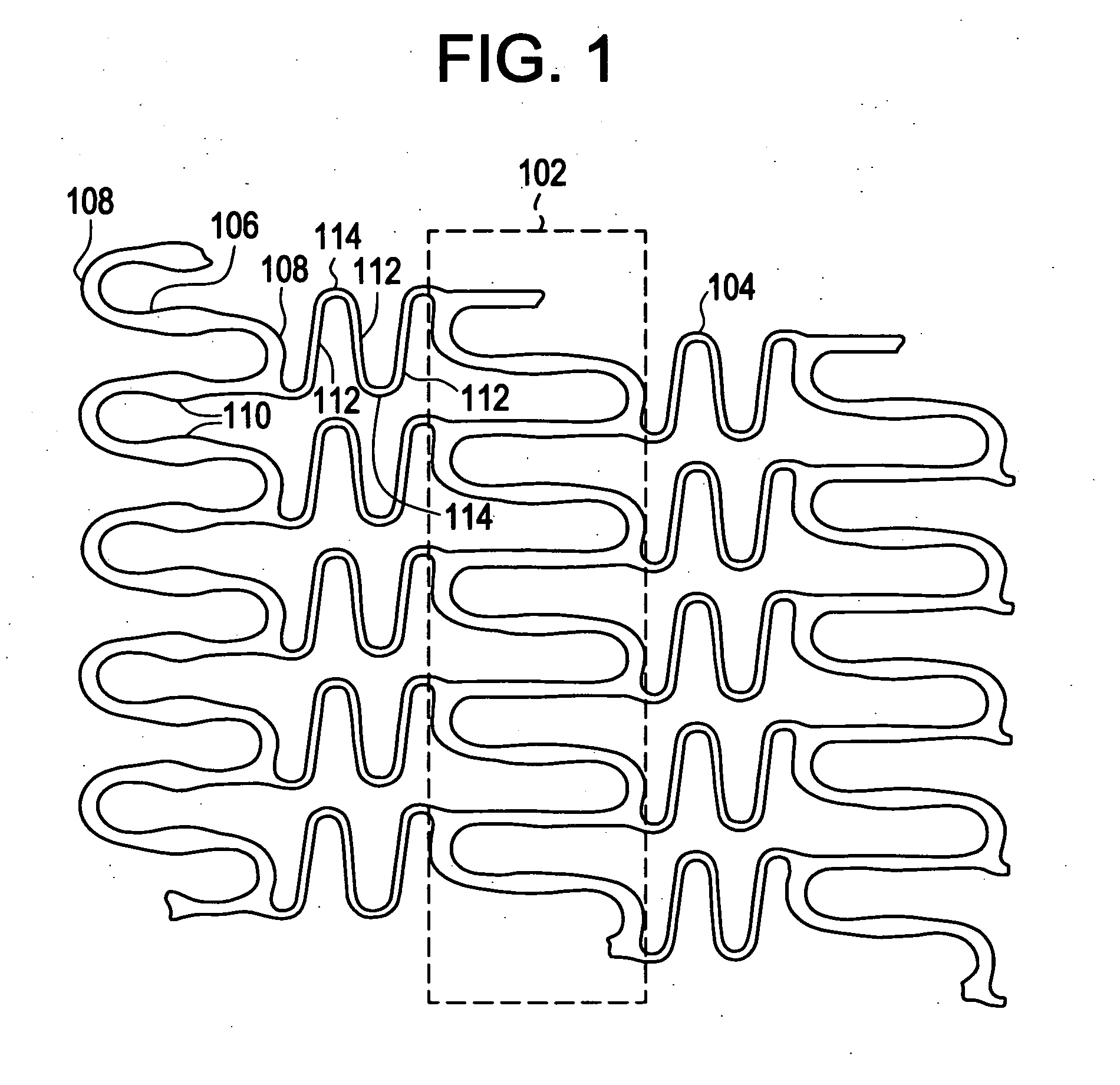
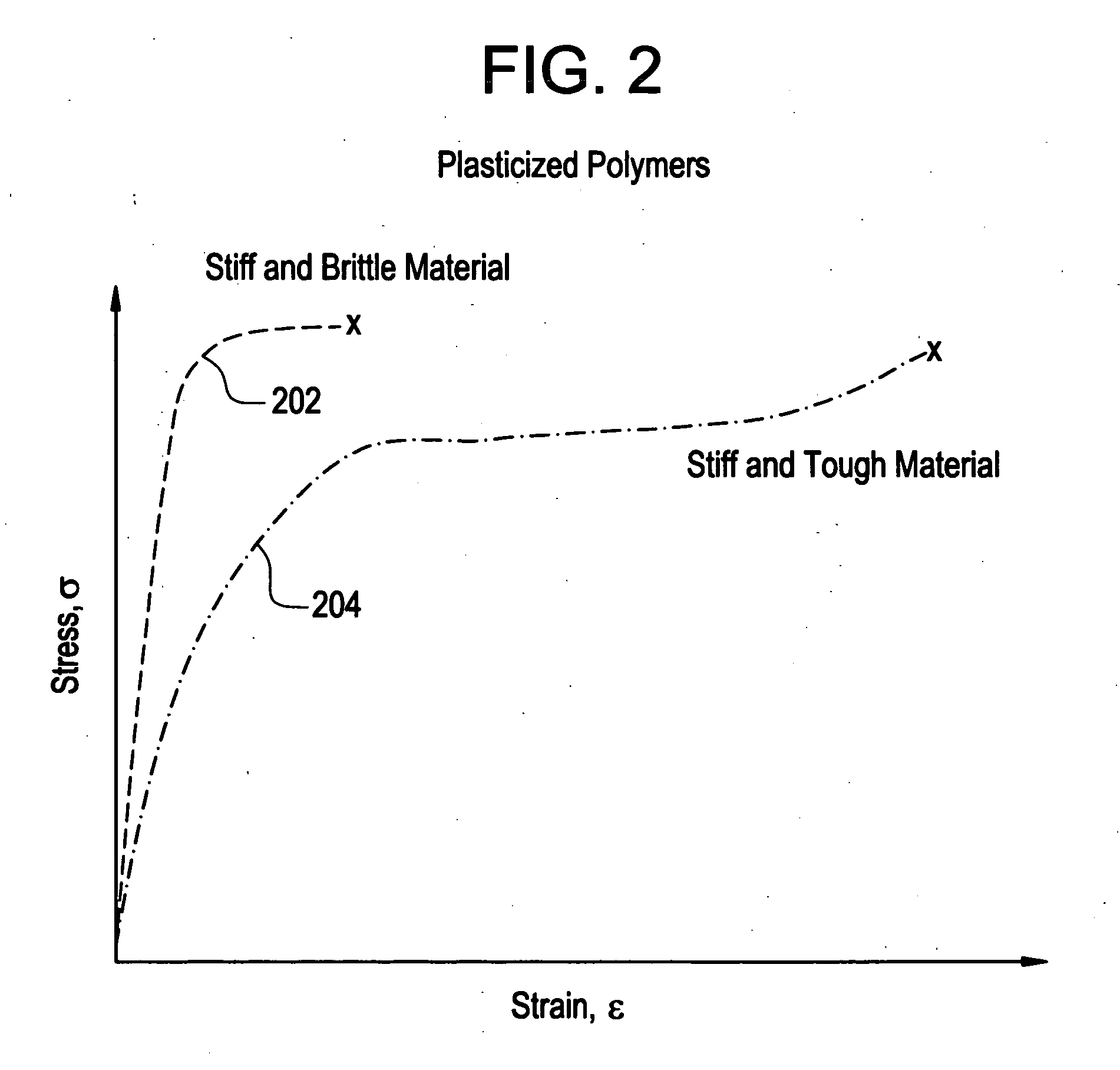
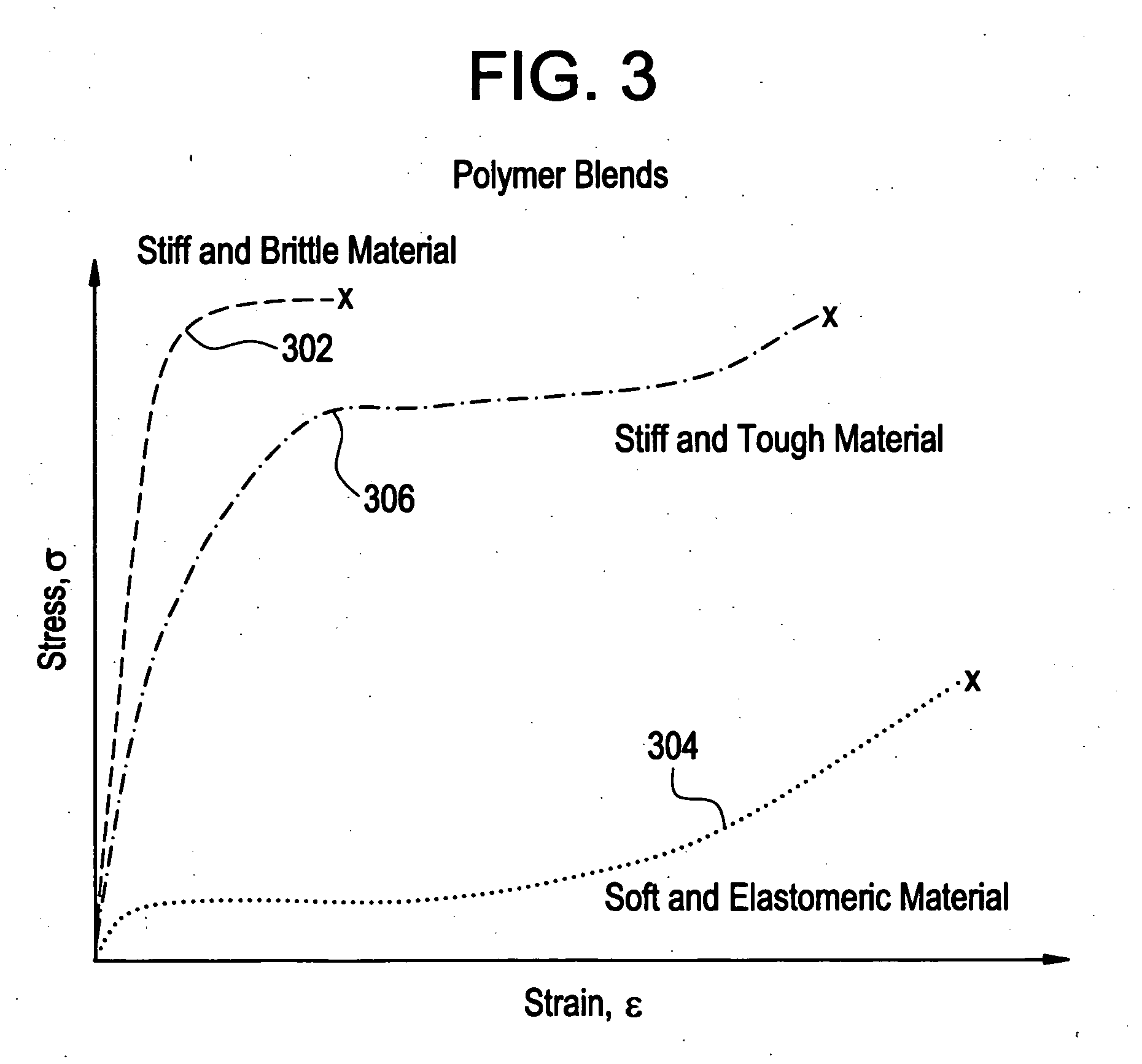
Examples
Embodiment Construction
[0021]Implantable medical devices may be fabricated from any number of suitable biocompatible materials, including polymeric materials. The internal structure of these polymeric materials may be altered utilizing mechanical and / or chemical manipulation of the polymers. These internal structure modifications may be utilized to create devices having specific gross characteristics such as crystalline and amorphous morphology and orientation as is explained in detail subsequently. Although the present invention applies to any number of implantable medical devices, for ease of explanation, the following detailed description will focus on an exemplary stent.
[0022]In accordance with the present invention, implantable medical devices may be fabricated from any number of biocompatible materials, including polymeric materials. These polymeric materials may be non-degradable, biodegradable and / or bioabsorbable. These polymeric materials may be formed from single polymers, blends of polymers an...
PUM
| Property | Measurement | Unit |
|---|---|---|
| degree of crystallinity | aaaaa | aaaaa |
| thickness | aaaaa | aaaaa |
| diameters | aaaaa | aaaaa |
Abstract
Description
Claims
Application Information
 Login to View More