

Physics Modeling for Radar and Ultrasonic Sensors
a radar and ultrasonic sensor technology, applied in the field of simulation environments, can solve the problems of large amount of ground truth data for machine learning algorithms, and no method for providing datasets in simulated environments
- Summary
- Abstract
- Description
- Claims
- Application Information
AI Technical Summary
Benefits of technology
Problems solved by technology
Method used
Image

Examples
Embodiment Construction
[0013]It will be understood that components of the invention, as generally described and illustrated herein, can be arranged in a wide variety of different configurations. The following detailed description, which merely represents certain examples, is not intended to limit the scope of the claims. These examples may be understood by reference numbers to the figures. Numbers concluding with a letter, or letter-number pair, indicate differing instances of a class with the same or similar attributes. References by number refer more generally to the class and / or a representative instance.
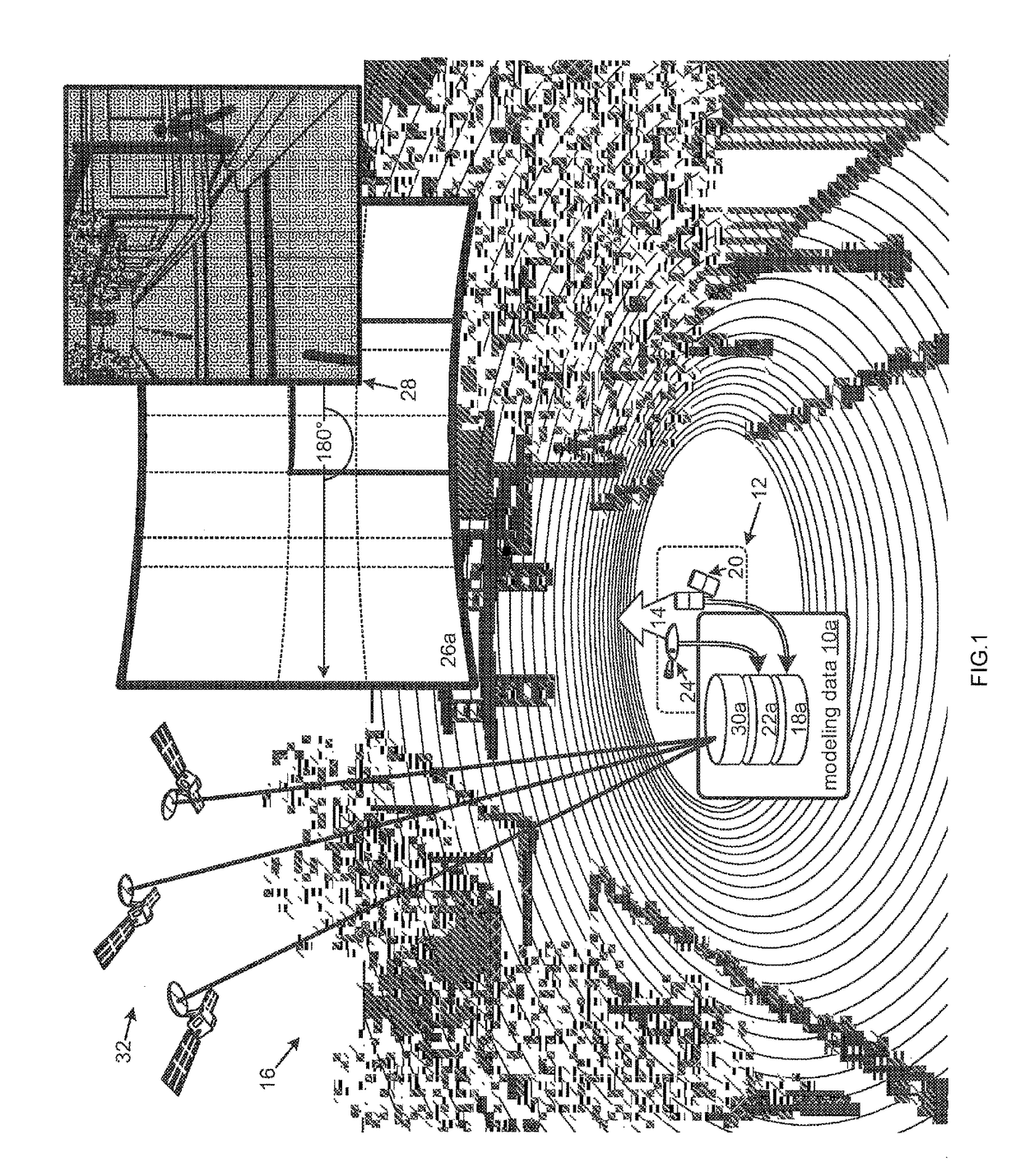
[0014]Referring to FIG. 1, a collection of modeling data 10a is depicted. The modeling data 10a may include different data types that may be assembled to simulate the environment from which the modeling data 10a is collected. The modeling data 10a may be collected by a set of sensors 12 traversing 14 an environment 16 typical of an environment in which an autonomous and / or assisted driving vehicle may ...
PUM
 Login to View More
 Abstract
Description
Claims
Application Information
 Login to View More