System and method for a shared memory architecture for high speed logging and trending

a shared memory and trending technology, applied in the field of computer software, can solve the problem that users of currently available logging and trending application programs typically experience a delay

US6745175B2Inactive Publication Date: 2004-06-01NATIONAL INSTRUMENTS
4 Cites 24 Cited by

Patent Information

Authority / Receiving Office
US · United States
Patent Type
Patents(United States)
Current Assignee / Owner
Publication Date
2004-06-01
Estimated Expiration
Not applicable · inactive patent

Smart Images

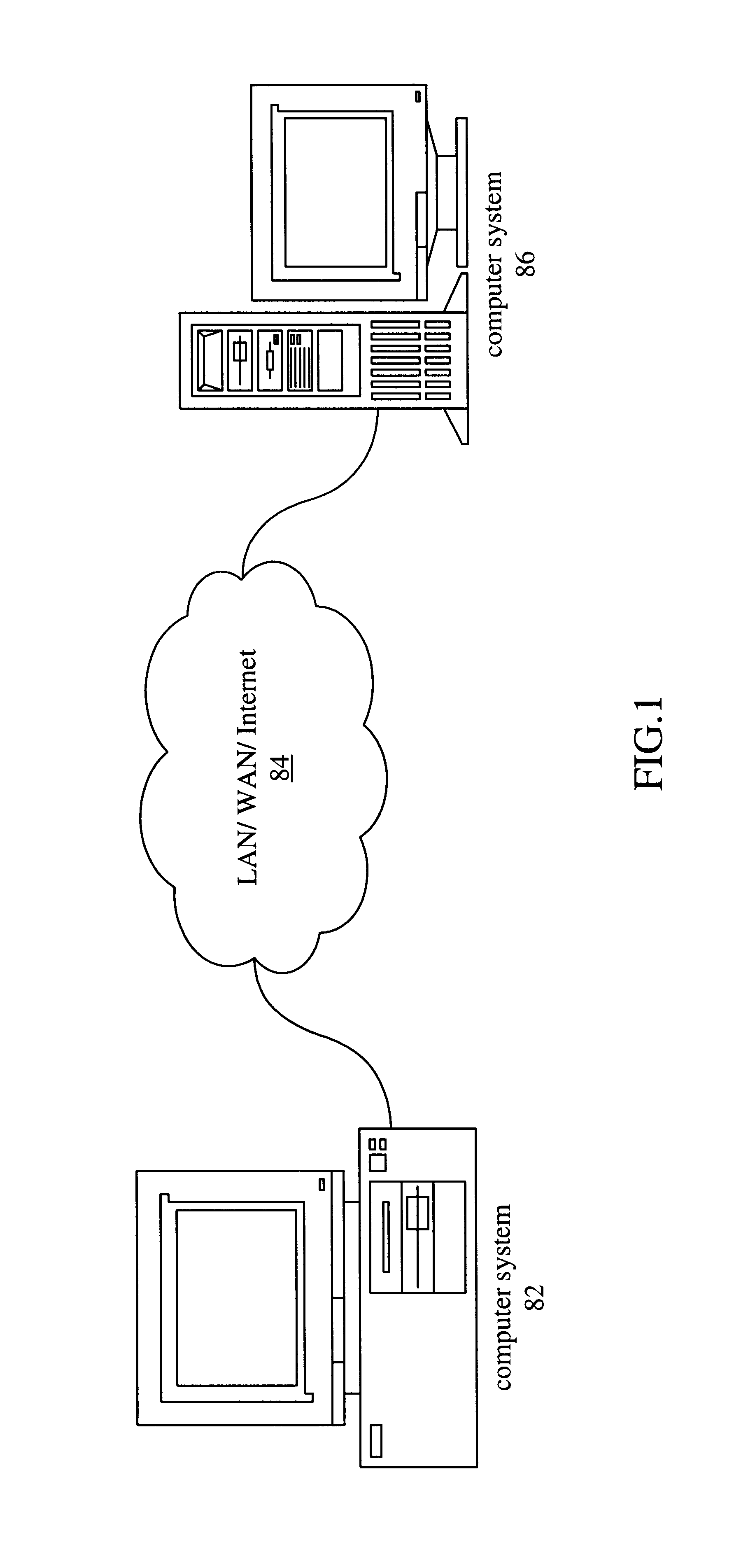
  • Figure 1
    Figure 1
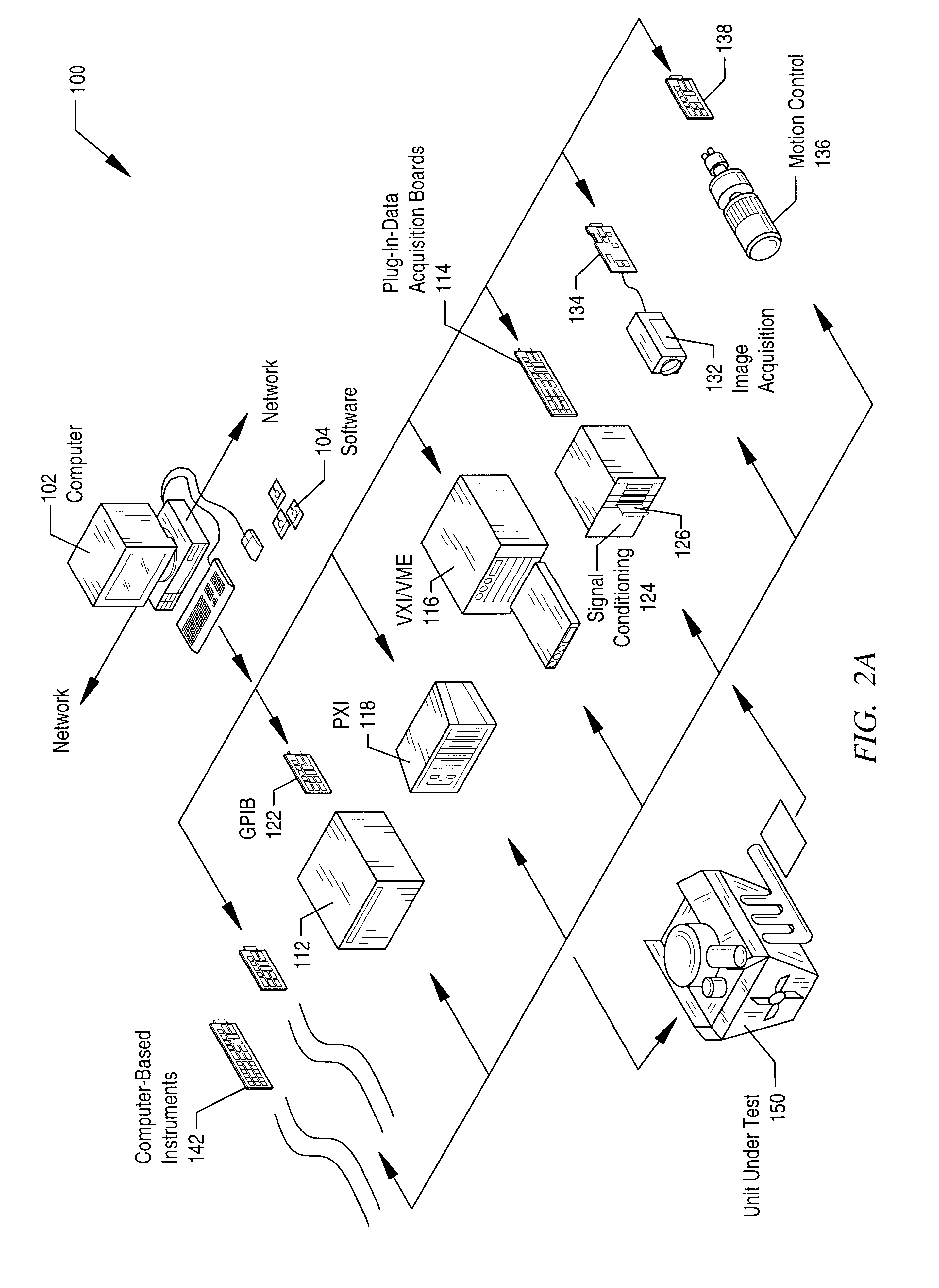
  • Figure 2
    Figure 2
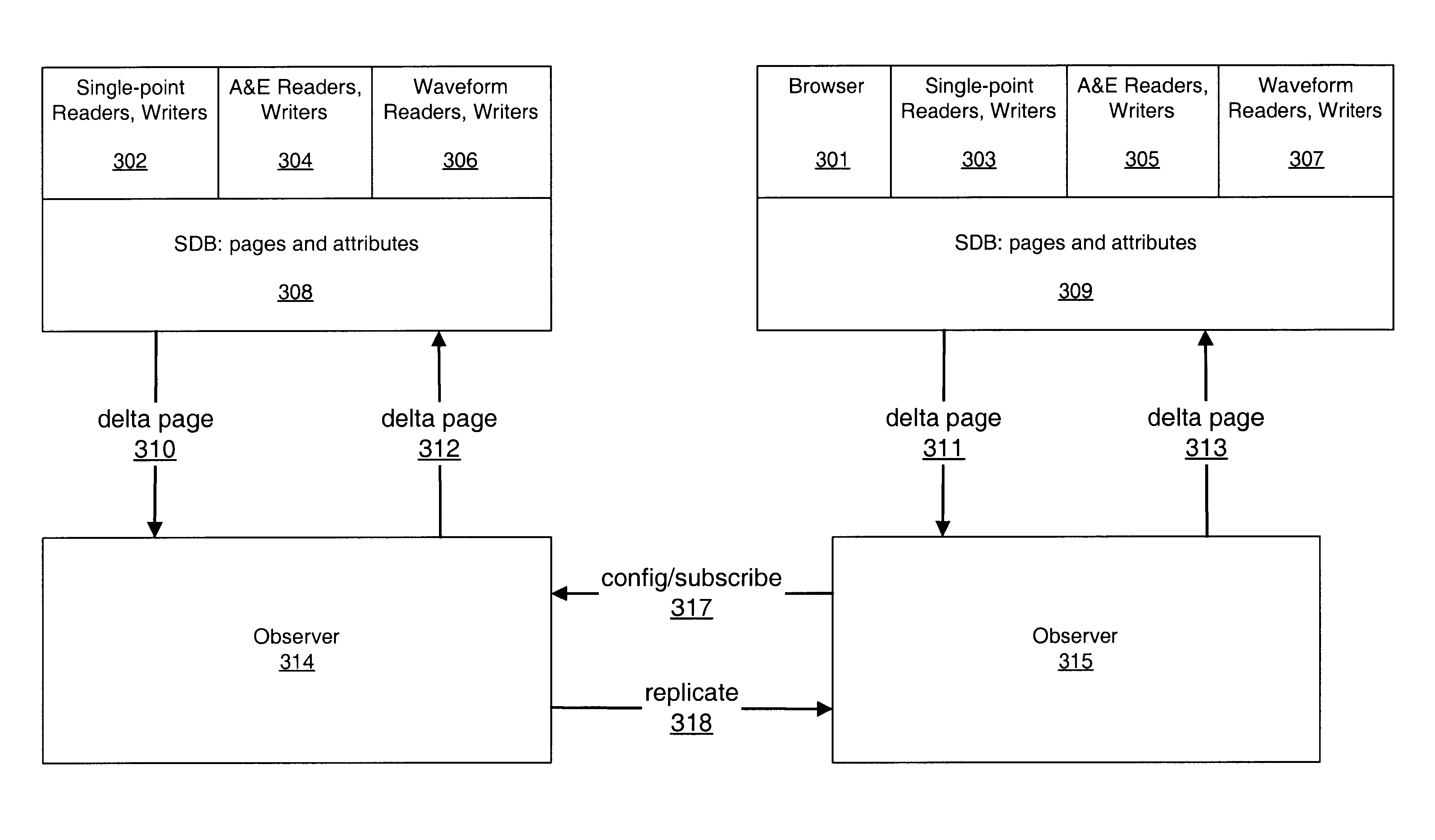
  • Figure 3
    Figure 3
Patent Text Reader

Abstract

An improved method and system for high speed logging and trending of data. Logging of data may include: receiving data; and storing the data, and an index to the data, in a shared memory location coupled to a database. Trending of data may include: retrieving requested data from the shared memory location using the index of the requested data, and displaying the retrieved data. User configurable frequencies may be provided for various actions on the data. The data may be measurement data, including a stream of data comprising a plurality of entries. The logging and trending may be: (1) performed substantially concurrently; (2) implemented using shared memory templates. The database may reside on a first computer system, and the logging and trending may be performed on the first computer system or on a second computer system coupled to the first computer system via a network.
Need to check novelty before this filing date? Find Prior Art

Description

1. Field of the InventionThe present invention relates to computer software, and more particularly to a high speed method of logging and trending data.2. Description of the Related ArtLogger application programs (e.g., LabVIEW, a National Instruments product) may be configured to repeatedly read data from an input device (for example, 100 times per second e.g., by reading the latest 10 milliseconds' worth of data from a data acquisition (DAQ) device) and subsequently write the data to an output device (e.g., a database).Trender application programs (e.g., the Historical Viewer in Measurement & Automation Explorer (MAX), a National Instruments product) may be configured to repeatedly read data from a stored location (e.g., a database) and subsequently display the data on a display device.Users of currently available logging and trending application programs typically experience a delay between the logging of data by a logging application and the availability of the logged data for re...

Examples

Embodiment Construction

FIG. 1: Computer System Connected to a Network

FIG. 1 illustrates an exemplary computer network in which a computer system 82 is connected through a network 84 to a second computer system 86. The computer system 82 and the second computer system 86 can be any of various types, as desired. The network 84 can also be any of various types, including a LAN (local area network), a WAN (wide area network), or the Internet, among others.

The computer system 82 includes or stores a first client computer program operable to log data and a second client computer program operable to trend data. In one embodiment, the data used in the logging application program and the trending application program may be of various types, as described below. The data used in the logging application program and the trending application program may reside in a database on the computer system 82 or on the second computer system 86.

The logging application program and the trending application program may be implement...