
Lactobacillus plantarum strain and application thereof
A technology of Lactobacillus plantarum and strains, which is applied in the direction of bacteria, microorganisms, and preservation of meat/fish with acid, etc., can solve the problems of complex microbial strains, achieve the effects of inhibiting growth and reproduction, reducing inactivation rate, and simple preparation process
Patent Information
- Authority / Receiving Office
- CN · China
- Current Assignee / Owner
- Publication Date
- 2010-06-09
Smart Images
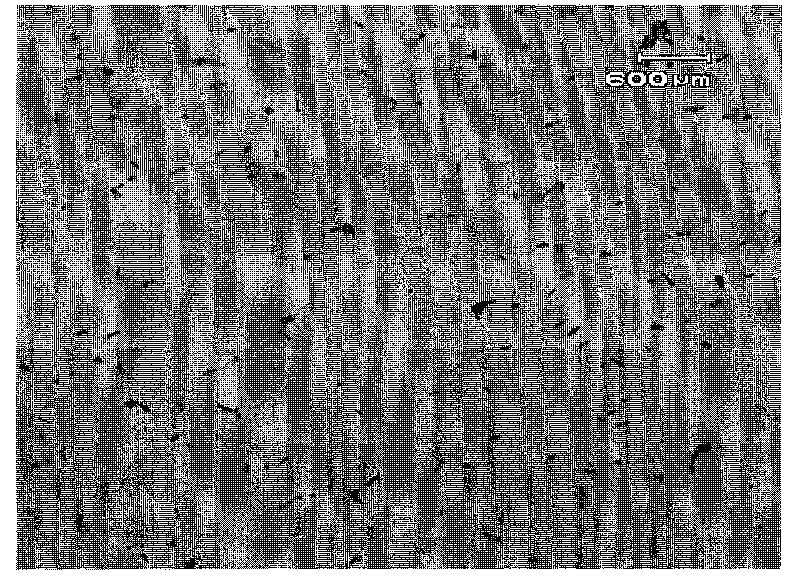
Figure 1 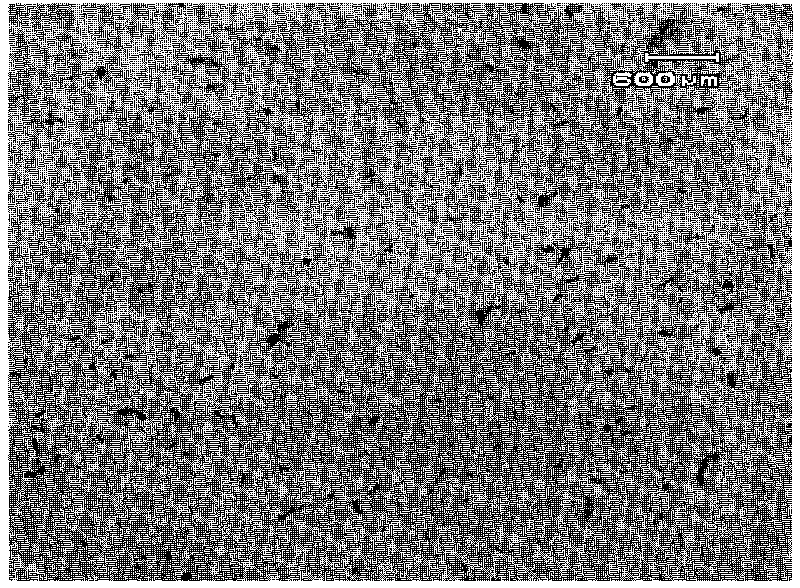
Figure 2
Abstract
Description
technical field
[0001] The invention discloses an excellent lactic acid bacterium and its application, belonging to the field of biotechnology. Background technique
[0002] Biogenic amines are a class of nitrogen-containing aliphatic, aromatic or heterocyclic organic compounds. There are mainly tyramine, histamine, putrescine, cadaverine, phenethylamine, tryptamine, spermine and spermidine. When it accumulates in a relatively high amount in the human body, it will produce toxicity, such as: the expansion of external blood vessels leads to high blood pressure and headache, and the contraction of intestinal smooth muscle causes abdominal cramps, diarrhea and vomiting, etc., and even life-threatening.
[0003] Among the 8 common biogenic amines in food, spermine and spermidine are brought from the raw materials. Other biogenic amines are produced by the decarboxylation of amino acids catalyzed by amino acid decarboxylase produced by microorganisms, and mainly exist in ferment...
Examples
Embodiment 1
[0018] Screening and preservation of strains
[0019] This strain is isolated from traditional Chinese sausages and does not produce biogenic amines. The culture fluid of the isolated strains is centrifuged, and the supernatant is taken to observe the inhibitory ability of the supernatant to five amine-producing bacteria. And insert it into the medium containing biogenic amine, and detect the ability of oxidation to reduce biogenic amine.
[0020] The bacteria are Gram-positive bacteria, white colonies, straight rods, short chains, no flagella, homozygous fermentation, no gas production when fermenting glucose, acetic acid and lactic acid when fermenting ribose, no reduction of nitrite, no indole production, Hydrogen sulfide production negative, coagulase negative; the strain was rod-shaped under a common microscope (see figure 1 ).
[0021] The strain was named Lactobacillus plantarum (Lactobacillus plantarum) xlbf001 according to the results of Gen bank comparison, and was...
Embodiment 2
[0023] Inhibitory effect of Lactobacillus plantarum xlbf001 on amine-producing bacteria
[0024] Experimental amine-producing bacteria: Enterococcus faecium
[0025] Medium: MRS agar medium (peptone 10g, beef extract 10g, yeast extract 5g, triammonium hydrogen citrate 2g, glucose 20g, Tween 801mL, sodium acetate 5g, dipotassium hydrogen phosphate 2g, magnesium sulfate 0.5g, manganese sulfate 0.25g, 18g agar, 1000mL distilled water, pH 6.2-6.4)
[0026] experimental method
[0027] Spread Enterococcus faecium, the dominant amine-producing enteric bacterium in traditional Chinese sausage, on MRS agar medium; centrifuge the Lactobacillus plantarum xlbf001 cultured at 37°C for 24 hours at 8000 rpm for 10 minutes, and use a sterile pipette tip Pipette the supernatant into a sterile centrifuge tube. Get sterilized filter paper with a diameter of 0.6 cm to dip the supernatant, and place it on the above-mentioned MRS agar medium inoculated with enterobacteria, and observe the inhib...
Embodiment 3
[0030] The role of Lactobacillus plantarum xlbf001 in oxidizing biogenic amines.
[0031] Biogenic Amines: Tyramine, Phenylethylamine, Tryptamine, and Histamine.
[0032] Medium: Improved MRS liquid medium (peptone 10g, beef extract 10g, yeast extract 5g, triammonium hydrogen citrate 2g, glucose 20g, Tween 801mL, sodium acetate 5g, dipotassium hydrogen phosphate 2g, magnesium sulfate 0.5g, sulfuric acid Manganese 0.25g, calcium carbonate 0.4g, cysteine hydrochloride, dairy powder 7.5g, beer 65ml, distilled water 1000mL, pH 6.2~6.4)
[0033] experimental method
[0034] The experiment was divided into five groups, and 500ug / ml of tyramine, phenylethylamine, tryptamine, histamine and the control group were added to the improved MRS liquid medium of each group, and sterilized at 115°C for 15 minutes; after cooling, the experimental group was inoculated with plants Lactobacillus plantarum (Lactobacillus plantarum) xlbf001, the inoculum size is 10 6 cfu / ml, 37°C, cultured on a...