

A method for separating and purifying plant tapetum tissue
A technology for separation and purification, tapetum, which is applied in the fields of developmental biology and cell biology, can solve unseen problems, and achieve the effects of simple operation, high purity and short time consumption.
Active Publication Date: 2018-12-11
YANGZHOU UNIV
View PDF2 Cites 0 Cited by
- Summary
- Abstract
- Description
- Claims
- Application Information
AI Technical Summary
Problems solved by technology
However, the tapetum exists inside the anther, and to carry out relevant research, it is first necessary to separate the tapetum tissue, and there is no related technology at present.
Method used
the structure of the environmentally friendly knitted fabric provided by the present invention; figure 2 Flow chart of the yarn wrapping machine for environmentally friendly knitted fabrics and storage devices; image 3 Is the parameter map of the yarn covering machine
View moreImage
Smart Image Click on the blue labels to locate them in the text.
Smart ImageViewing Examples

Examples
Experimental program
Comparison scheme
Effect test
Embodiment Construction
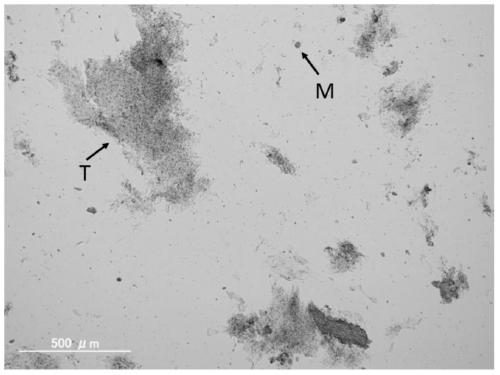
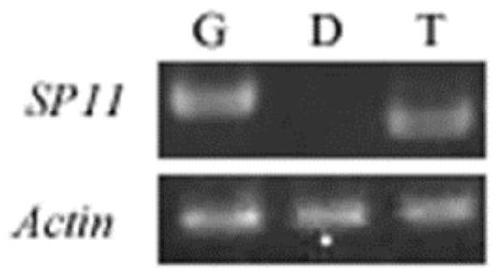
[0022] Isolation of plant tapetum tissue is one of the necessary prerequisites for studying the specific expression and regulation of genes related to microspore development, pollen and stigma recognition in the tapetum. By applying the method of the present invention, we have obtained a sufficient amount of plant tapetum tissue with less impurities, laying the foundation for carrying out related research. The establishment of our related methods also fills in related gaps.
the structure of the environmentally friendly knitted fabric provided by the present invention; figure 2 Flow chart of the yarn wrapping machine for environmentally friendly knitted fabrics and storage devices; image 3 Is the parameter map of the yarn covering machine
Login to View More PUM
 Login to View More
 Abstract
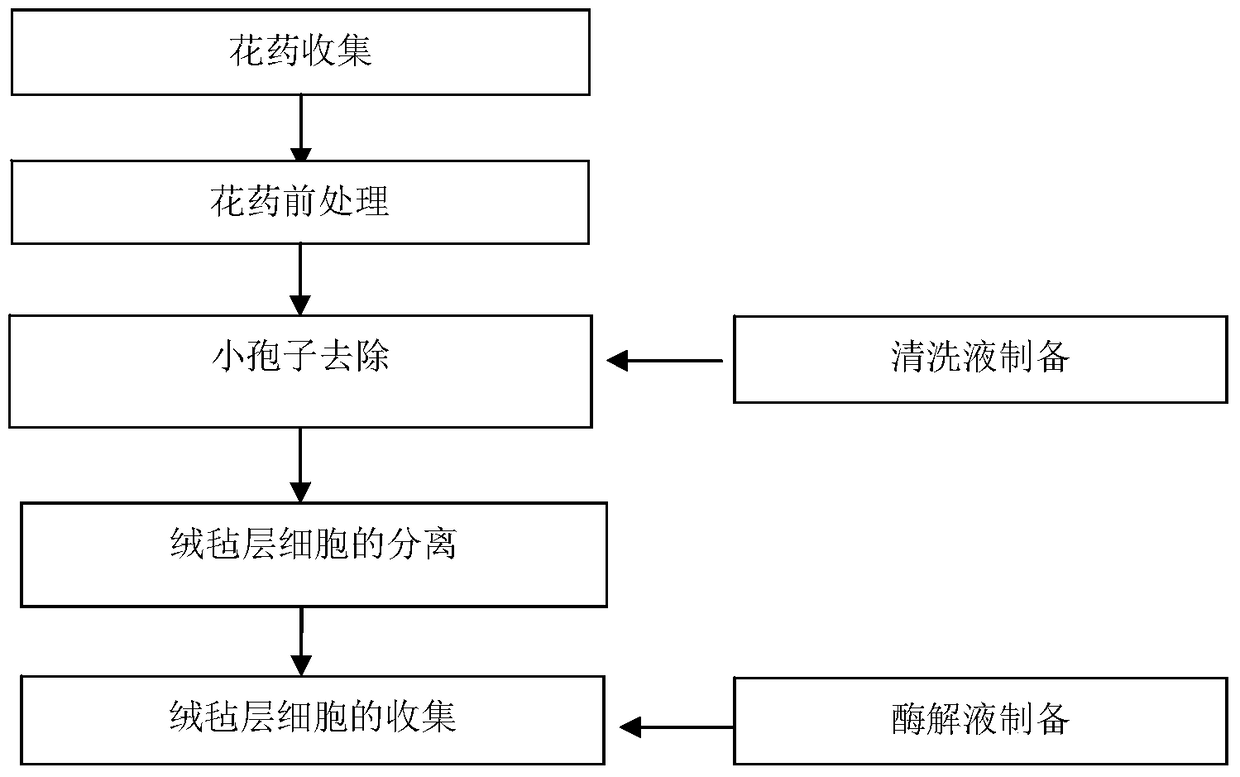
The invention relates to a method for separating and purifying plant tapetum tissue, belonging to the fields of developmental biology and cell biology. The invention adopts the steps of collecting anthers, preparing cleaning solution, preparing enzymolysis solution, anther pretreatment, removing anther microspores, and separating and collecting tapetum cells. The tapetum tissue is separated by enzymatic hydrolysis with the appropriate enzyme type and concentration, and then the tapetum is collected by filtration and centrifugation. This method has the advantages of simple steps, convenient operation, short time consumption, etc., and good separation efficiency, and the obtained tapetum tissue can be used in subsequent experiments.
Description
technical field [0001] The invention relates to a method for separating tapetum tissue from plant anthers, relates to the separation and acquisition of tapetum tissue, and belongs to the fields of developmental biology and cell biology. Background technique [0002] Tapetal cells exist in the inner side of plant anthers, provide the necessary nutrients for the development of microspores, and degrade after the microspores mature. The tapetum is involved in many physiological processes such as microspore development, pollen and stigma recognition, and is the focus of research in developmental biology and other related research fields. [0003] At present, it is an international research trend to study the specific expression of related genes in tissues. However, the tapetum exists inside the anther, and to carry out relevant research, it is first necessary to separate the tapetum tissue, and no relevant technology has been seen so far. In order to solve the above problems, w...
Claims
the structure of the environmentally friendly knitted fabric provided by the present invention; figure 2 Flow chart of the yarn wrapping machine for environmentally friendly knitted fabrics and storage devices; image 3 Is the parameter map of the yarn covering machine
Login to View More Application Information
Patent Timeline
 Login to View More
 Patent Type & AuthorityPatents(China)
IPC IPC(8): C12N5/04
Inventor王春雷高季平叶蕴灵赵贝贝张盼盼
OwnerYANGZHOU UNIV