
Cross-shaped test piece biaxial tensile test based yield criterion evaluation method
A biaxial stretching, cross-shaped technology, applied in the direction of applying stable tension/pressure to test the strength of materials, measuring devices, instruments, etc., can solve the problems of not being able to analyze the yield criterion well, predicting accuracy, poor continuity, etc.
Patent Information
- Authority / Receiving Office
- CN · China
- Patent Type
- Applications(China)
- Current Assignee / Owner
- Publication Date
- 2018-11-20
- Estimated Expiration
- Not applicable · inactive patent
Smart Images
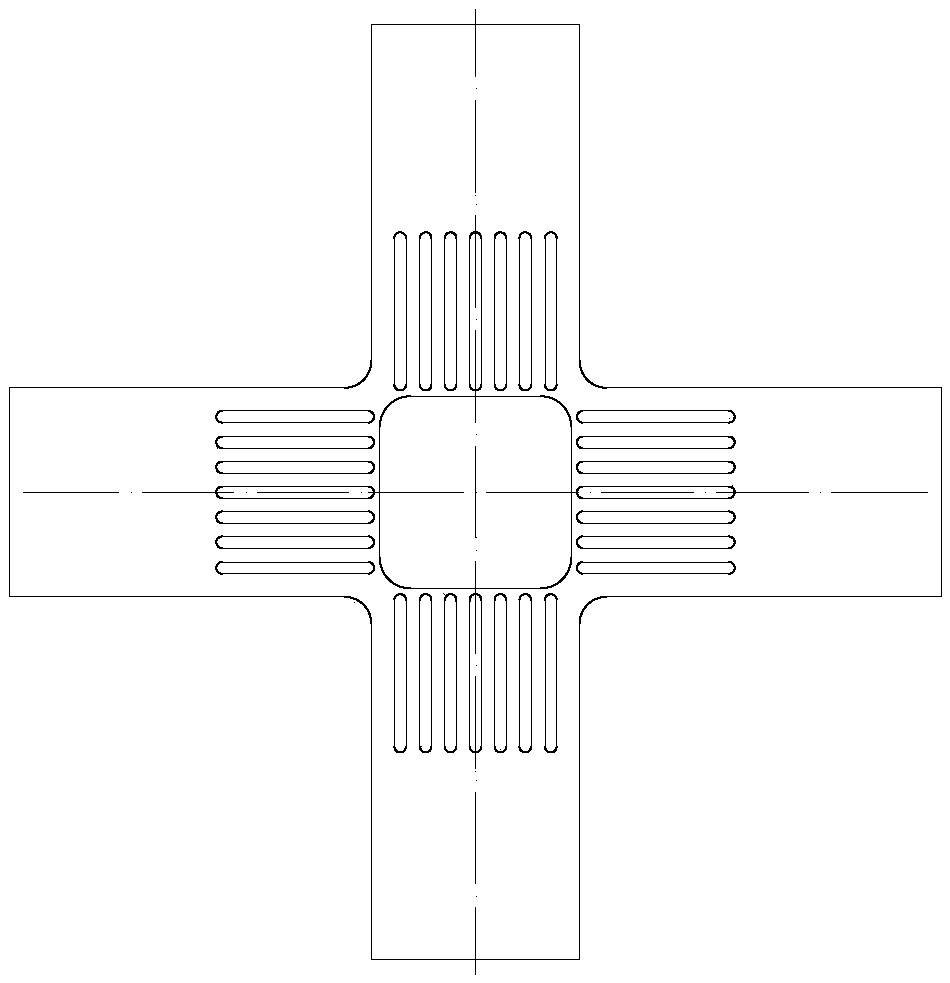
Figure 1 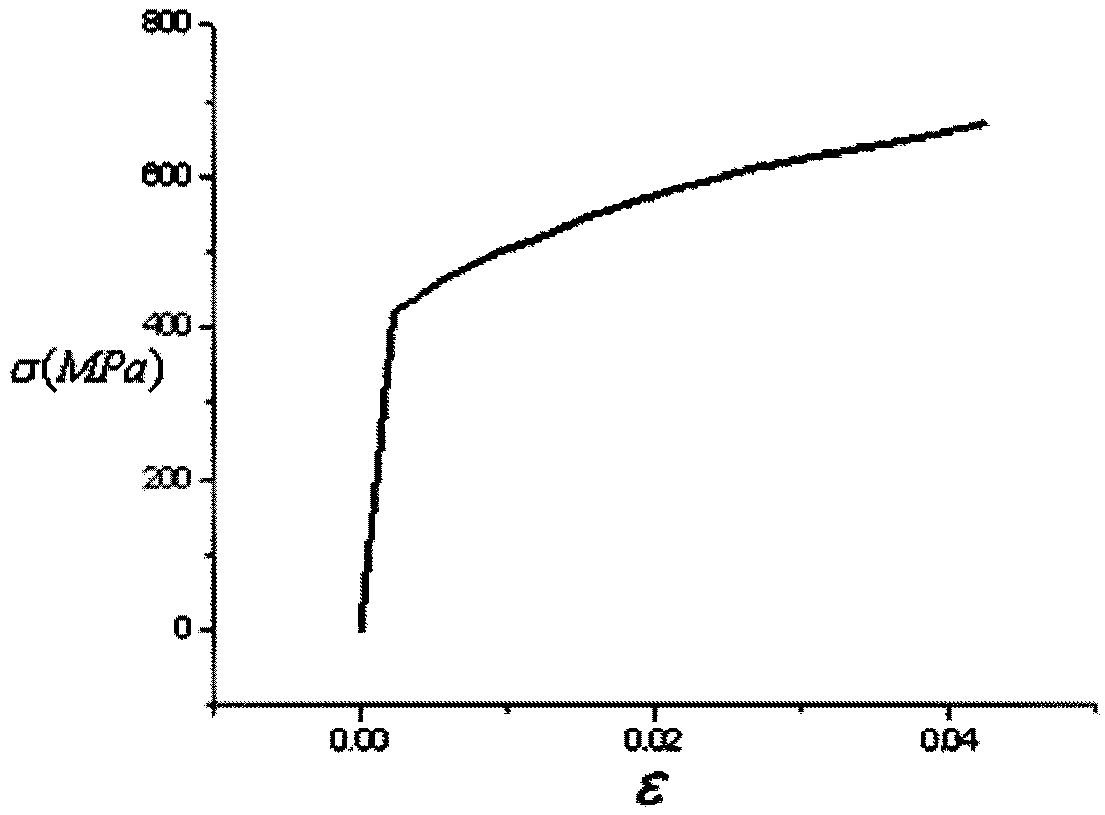
Figure 2 
Figure 3
Abstract
Description
technical field
[0001] The invention relates to a biaxial tensile strength analysis method, in particular to a yield criterion evaluation method. Background technique
[0002] In many engineering fields such as aviation, aerospace, machinery, etc., components often bear loads in multiple directions during work. Under complex stress conditions, the mechanical behavior of metal materials presents very complex characteristics. Only relying on uniaxial tensile tests is The yield characteristics of components and materials cannot be accurately analyzed. Therefore, in order to study the deformation behavior and constitutive relationship of metal materials more accurately, it is necessary to study the mechanical behavior of materials under different loading paths.
[0003] At this stage, biaxial tensile tests are mostly used to realize different loading paths. Most of the specimens in biaxial tensile tests are cross-shaped specimens, which can effectively improve the uniformity of...
Examples
Embodiment Construction
[0059] The technical solutions of the present invention will be described in detail below, but the protection scope of the present invention is not limited to the embodiments.
[0060] Evaluate the prediction accuracy of Hill48 yield criterion with a kind of yield criterion evaluation method based on cross-shaped specimen biaxial tensile test of the present invention, the method steps are as follows:
[0061] Step 1: Prepare as figure 1 For the cross-shaped test piece shown, the rolling direction coincides with one of the axial directions; the unidirectional tensile test is carried out on the test piece along the rolling direction, and the relationship between the real stress and the real strain in this direction is obtained, as shown in figure 2 shown. Obtaining the stress-strain relationship in the rolling direction of the specimen includes the following steps:
[0062] Step 1.1: Clamp the cross-shaped specimen on the biaxial tensile testing machine, and clamp the extenso...