A kind of dithiodimannanbiose-gold nanoprobe, preparation method and application
What is AI technical title?
AI technical title is built by PatSnap AI team. It summarizes the technical point description of the patent document.
A mannobiose, gold nanotechnology, applied in chemical instruments and methods, gold organic compounds, fluorescence/phosphorescence, etc., can solve problems such as unknown protein structure
Active Publication Date: 2022-03-29
SOUTHEAST UNIV CHENGXIAN COLLEGE
View PDF0 Cites 0 Cited by
Summary
Abstract
Description
Claims
Application Information
AI Technical Summary
This helps you quickly interpret patents by identifying the three key elements:
Problems solved by technology
Method used
Benefits of technology
Problems solved by technology
Despite extensive research by scientists over the past 20 years, the detailed protein structure remains unknown except for structural models based on solution X-ray scattering data (not validated by X-ray crystallography)
Method used
the structure of the environmentally friendly knitted fabric provided by the present invention; figure 2 Flow chart of the yarn wrapping machine for environmentally friendly knitted fabrics and storage devices; image 3 Is the parameter map of the yarn covering machine
View more
Image
Smart Image Click on the blue labels to locate them in the text.
Viewing Examples
Smart Image
Click on the blue label to locate the original text in one second.
Reading with bidirectional positioning of images and text.
Smart Image
Examples
Experimental program
Comparison scheme
Effect test
Embodiment 1
[0032] Synthesis of compound III-4
[0033]
[0034] Dissolve mannose in acetic anhydride, add a few drops of perchloric acid, stir at room temperature for 1 hour, cool to 10°C, add phosphorus tribromide dropwise, and control the temperature at 20-25°C. Stir at room temperature for 1.5 hours after dropping. Cool to 5°C, add sodium acetate solution, control the temperature at 20-25°C, and stir for 20 minutes after dropping. Extracted with chloroform, washed with saturated sodium bicarbonate solution and water, dried over anhydrous sodium sulfate, filtered and concentrated. Recrystallization from cold ether afforded compound III-4 as a white solid, m.p. 132-133°C. High resolution mass spectrometry data: [M+NH 4 ] + 366.1395 (theoretical value), 366.1400 (measured value).
Embodiment 2
[0036] Synthesis of compound III-5
[0037]
[0038] Under the protection of nitrogen, dissolve all acetyl α-D-mannose in DMF, raise the temperature to 50°C, add hydrazine acetate, stir for 20 minutes, cool, add ethyl acetate, wash with saturated brine, and dry over anhydrous sodium sulfate. Filter and concentrate. Add dichloromethane, cool to -10°C, add trichloroacetonitrile and diazabicyclo (DBU) dropwise, rise to room temperature and stir for 2 hours after dropping. Concentrate and separate by column chromatography to prepare compound III-5 as a colorless liquid. High resolution mass spectrometry data: [2M+Na] + 1005.0198 (theoretical value), 1005.0175 (measured value).
Embodiment 3
[0040] Synthesis of compound III-3
[0041]
[0042] Co-evaporate compounds III-4 and III-5 with toluene, add anhydrous dichloromethane and 4A molecular sieves, and stir at room temperature for 2 hours. Cool to -50°C, add boron trifluoride ether solution, slowly rise to room temperature, and react for 18 hours. Add sodium bicarbonate, filter, concentrate, and separate by column chromatography to prepare compound III-3 as a white solid, m.p.70-71°C. High resolution mass spectrometry data: [M+Na] + 701.1900 (theoretical value), 701.1904 (measured value).
the structure of the environmentally friendly knitted fabric provided by the present invention; figure 2 Flow chart of the yarn wrapping machine for environmentally friendly knitted fabrics and storage devices; image 3 Is the parameter map of the yarn covering machine
Login to View More
PUM
Login to View More
Abstract
The invention belongs to the field of glycochemical biology, and in particular relates to a dithiodimannobiose-gold nanoprobe, a preparation method and its application in the recognition of virus receptor DC-SIGN / R. A dithiobimannobiose-gold nanoprobe is characterized in that: the ligand exchange method is used to modify the dithiobimannobiose ligand on the surface of the gold nanoparticle. Based on click chemistry and ligand exchange, the present invention modifies mannobiose ligands on the surface of gold nanoparticles, constructs a novel dithiodimannobiose-gold nanoprobe, and studies tetrameric lectin DC based on a fluorescence quenching strategy. The sugar binding mechanism of ‑SIGN and DC‑SIGNR lays the foundation for the establishment of a rapid and sensitive method to study the binding affinity and thermodynamics of protein-saccharide multivalent interactions.
Description
technical field [0001] The invention belongs to the field of glycochemical biology, and in particular relates to a dithiodimannose-gold nanometer probe, a preparation method and its application in the recognition of virus receptor DC-SIGN / R. [0002] technical background [0003] C-type lectins are a class of calcium-containing (Ca 2+ ) protein superfamily of carbohydrate recognition domains (CRDs), which can bind to sugars on the surface of a variety of viral glycoproteins and play key roles in many important biological processes, such as innate immunity and clearance of serum glycoproteins (Biochemistry, 2004 , 43, 3783-3792). In 2001, the Feinberg research group (Science, 2001, 294, 2163-2166) reported in Science two important C-type lectin receptors composed of type II membrane proteins - DC-SIGN (dendritic cell surface CRD crystal structure of specific intercellular adhesion factor-3-binding non-integrin factor) and DC-SIGNR (endothelial cell receptor closely related t...
Claims
the structure of the environmentally friendly knitted fabric provided by the present invention; figure 2 Flow chart of the yarn wrapping machine for environmentally friendly knitted fabrics and storage devices; image 3 Is the parameter map of the yarn covering machine
Login to View More
Application Information
Patent Timeline
Application Date:The date an application was filed.
Publication Date:The date a patent or application was officially published.
First Publication Date:The earliest publication date of a patent with the same application number.
Issue Date:Publication date of the patent grant document.
PCT Entry Date:The Entry date of PCT National Phase.
Estimated Expiry Date:The statutory expiry date of a patent right according to the Patent Law, and it is the longest term of protection that the patent right can achieve without the termination of the patent right due to other reasons(Term extension factor has been taken into account ).
Invalid Date:Actual expiry date is based on effective date or publication date of legal transaction data of invalid patent.



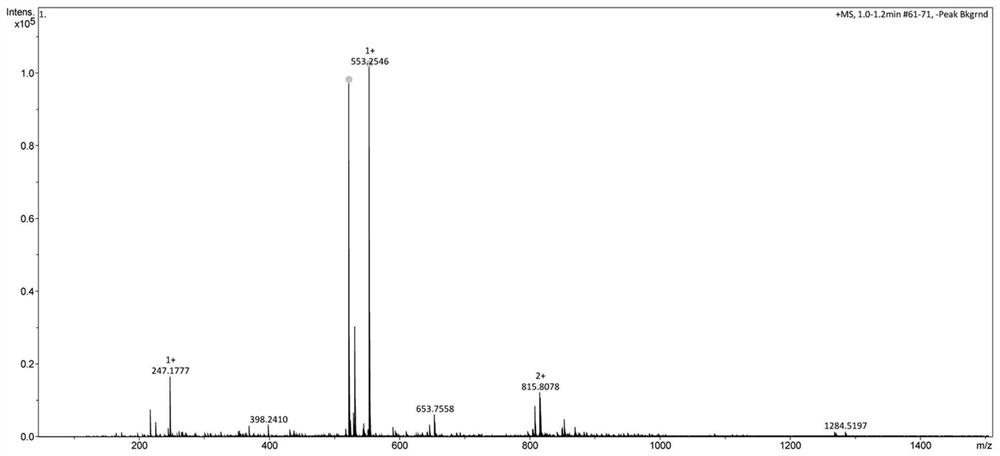
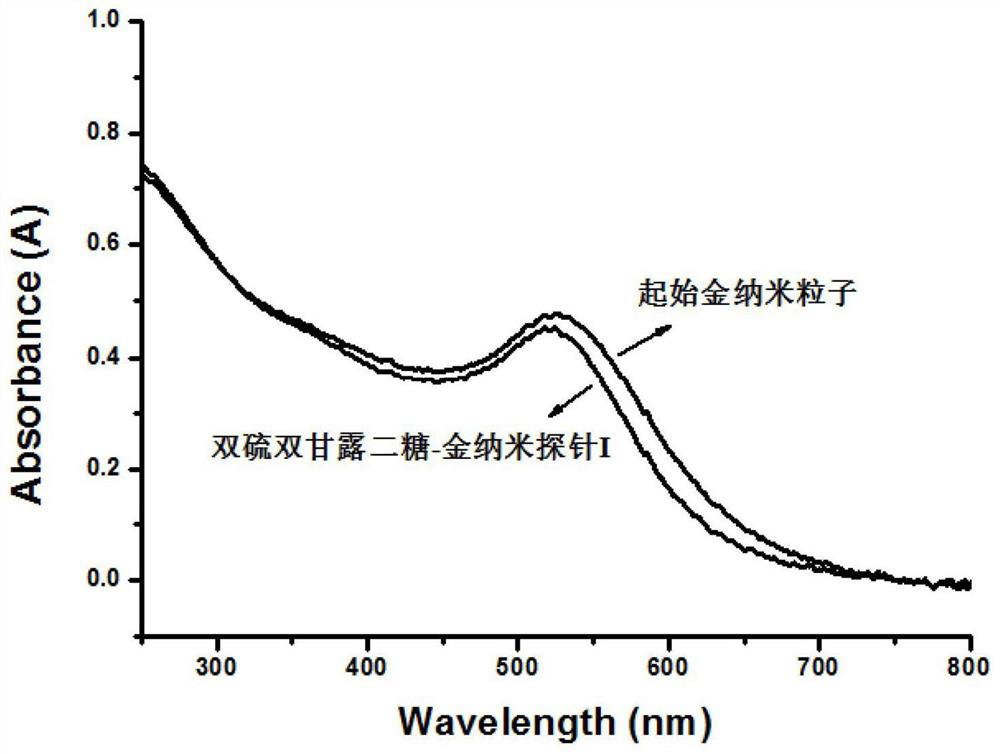
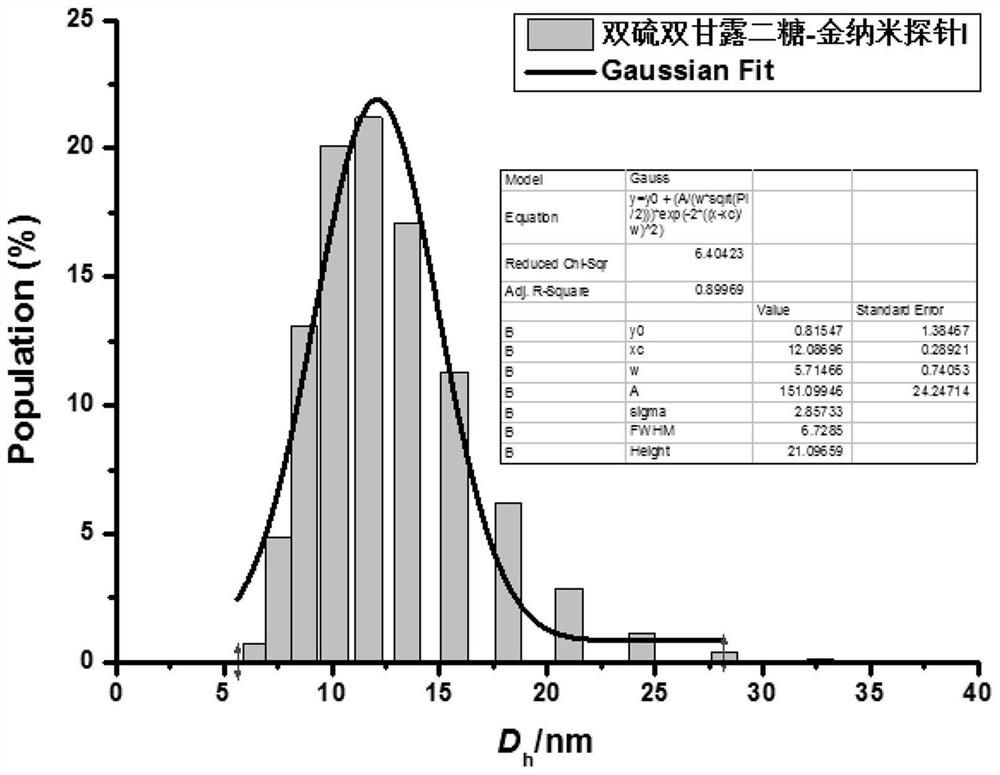
 Login to View More
  Login to View More