

Methods and devices for percutaneous and surgical interventions
a technology of applied in the field of methods and devices for percutaneous and surgical interventions, can solve the problems of emboli formation during the course of the procedure, insufficient maintenance of the current vascular sheath in the blood vessel, and ischemic strok
- Summary
- Abstract
- Description
- Claims
- Application Information
AI Technical Summary
Benefits of technology
Problems solved by technology
Method used
Image

Examples
Embodiment Construction
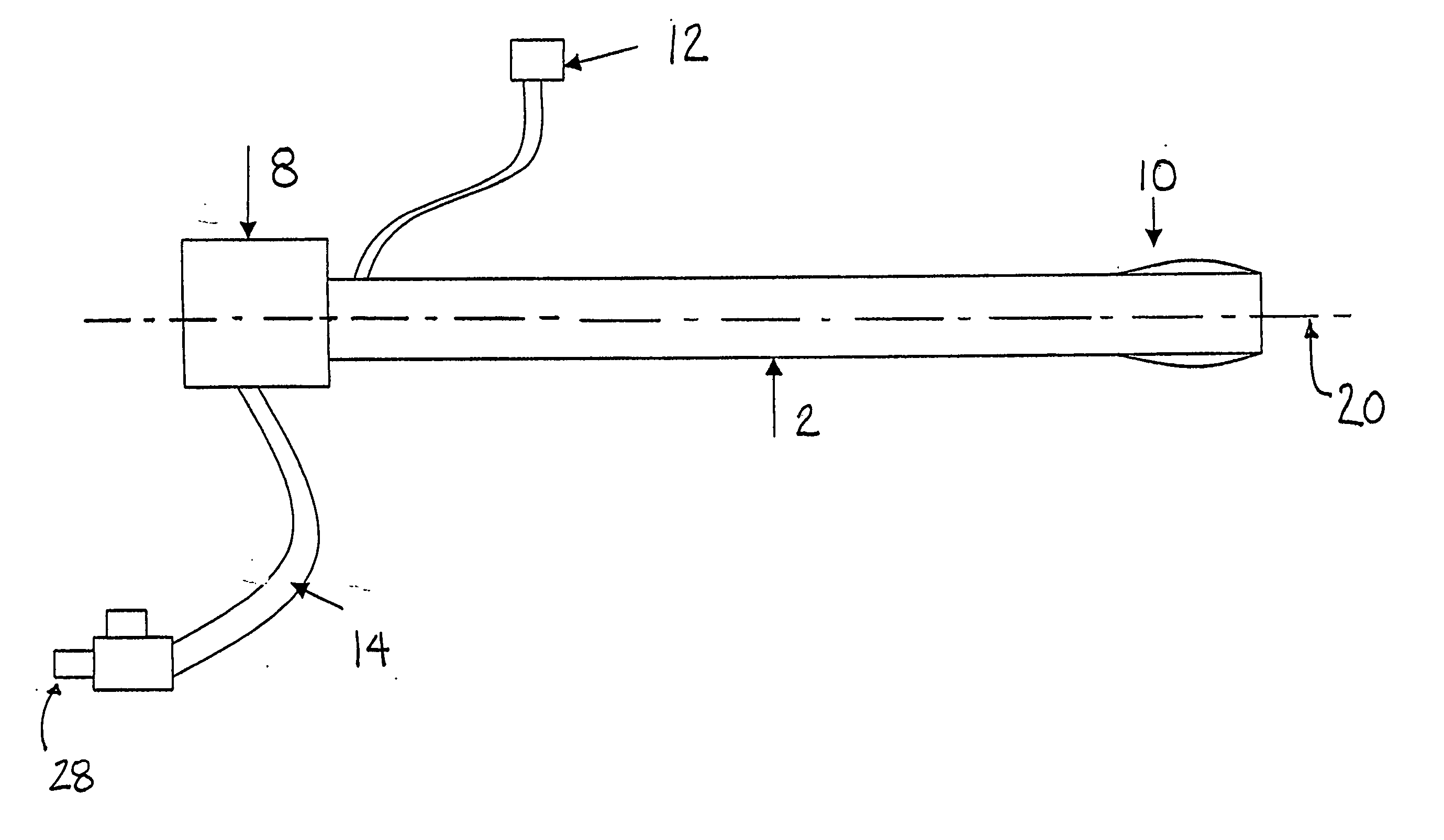
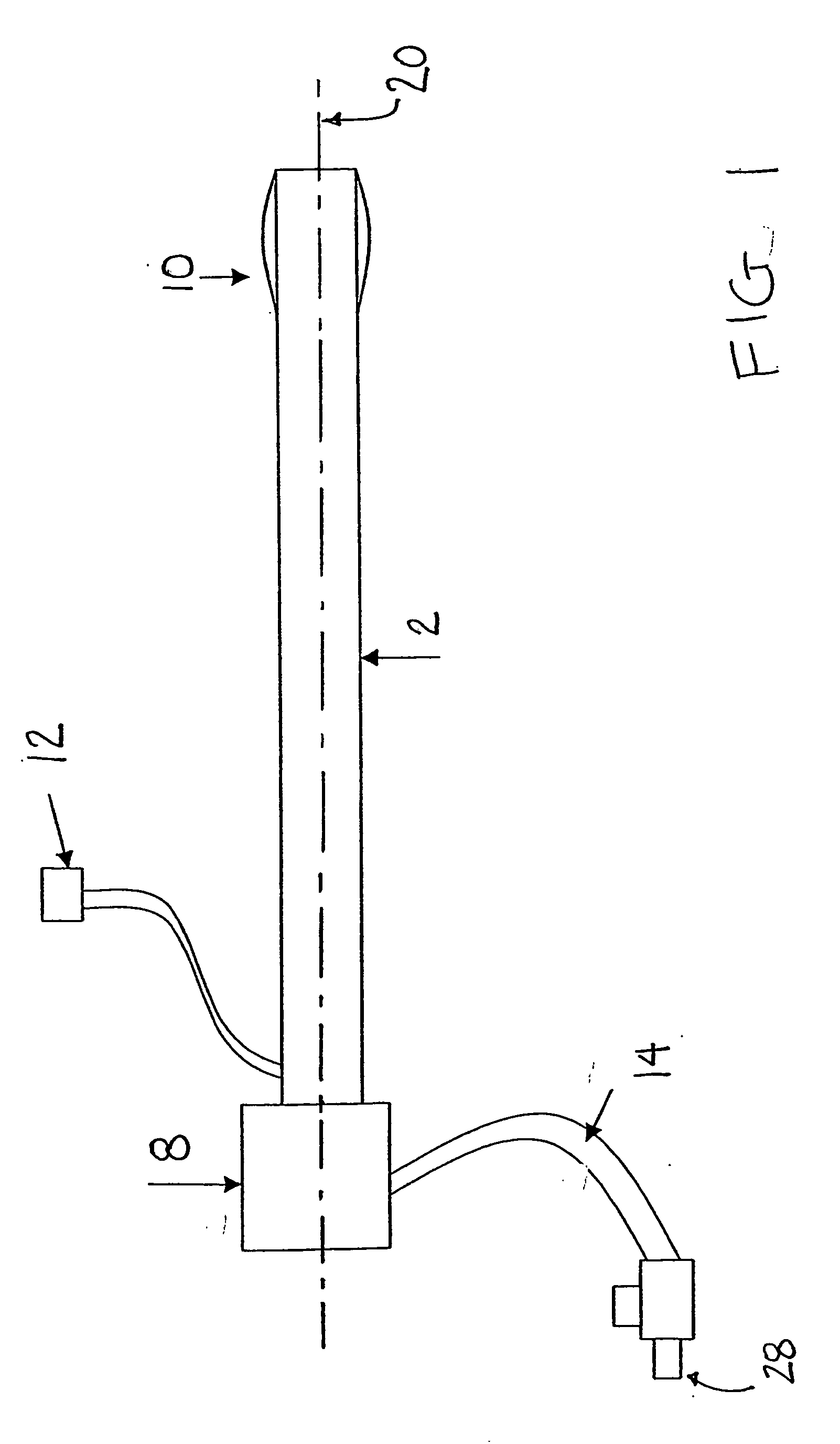
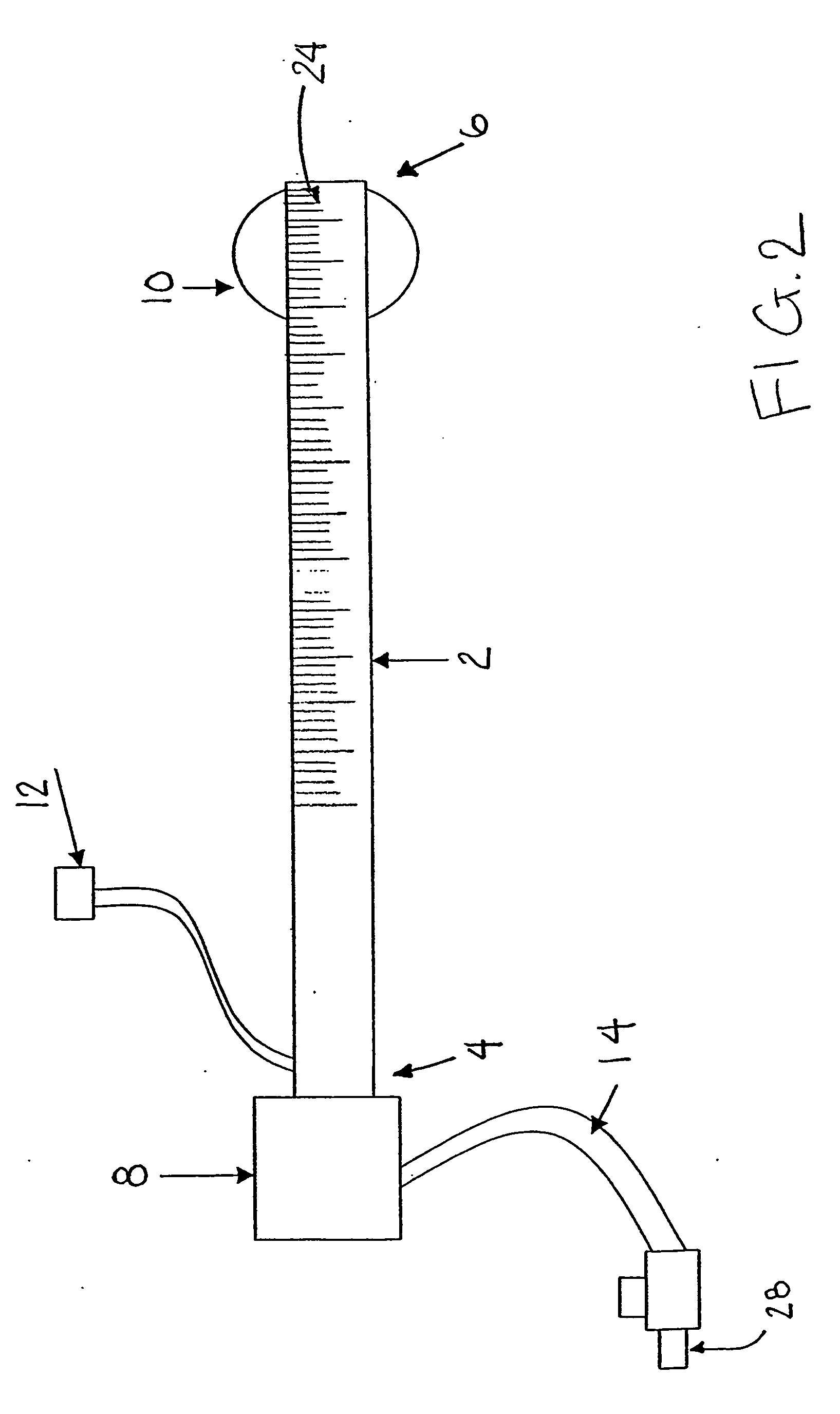
[0058] The present invention provides methods and devices for performing percutaneous and surgical interventions. The device includes a mechanism near its distal end that prevents the device from pulling out of an anatomical structure, for example, a blood vessel during complex interventions.
[0059] In one preferred embodiment, the device is designed for performing a variety of vascular percutaneous interventions. For example, in one preferred embodiment, the device is in the form of a vascular sheath or a guide catheter and the mechanism near its distal end prevents the vascular sheath of guide catheter from pulling out of a blood vessel, for example, when switching from a retrograde to an antegrade approach and vice versa. The mechanism also allows the operator to use a single sheath when declotting AV hemodialysis fistulas. Further, the mechanism can serve as a lumen occluder while allowing large interventional devices to be passed through the sheath. This property, an embolic pr...
PUM
 Login to View More
 Abstract
Description
Claims
Application Information
 Login to View More