
System and method for generating pseudo-random numbers
a computer implementation and pseudo-random number technology, applied in the field of computer implementation methods and systems for generating pseudo-random numbers, can solve the problems of inability to guarantee the security of a prng, the inability to generate enough random data to serve as the cryptographic key, and the inability to rely on manual assistance by a human user or operator to generate random data containing entropy
Patent Information
- Authority / Receiving Office
- US · United States
- Patent Type
- Applications(United States)
- Current Assignee / Owner
- Publication Date
- 2007-10-04
Smart Images
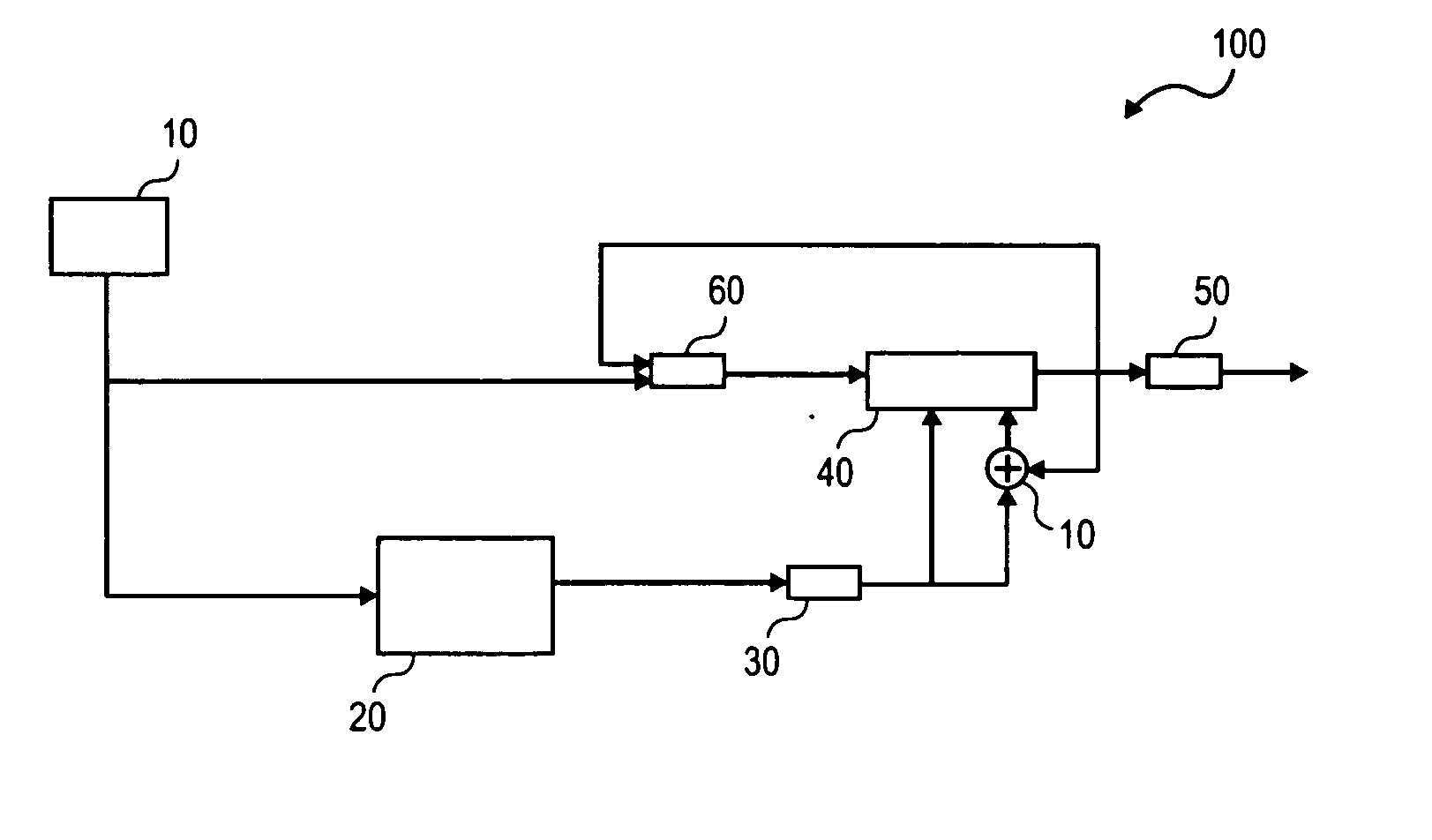
Figure 1 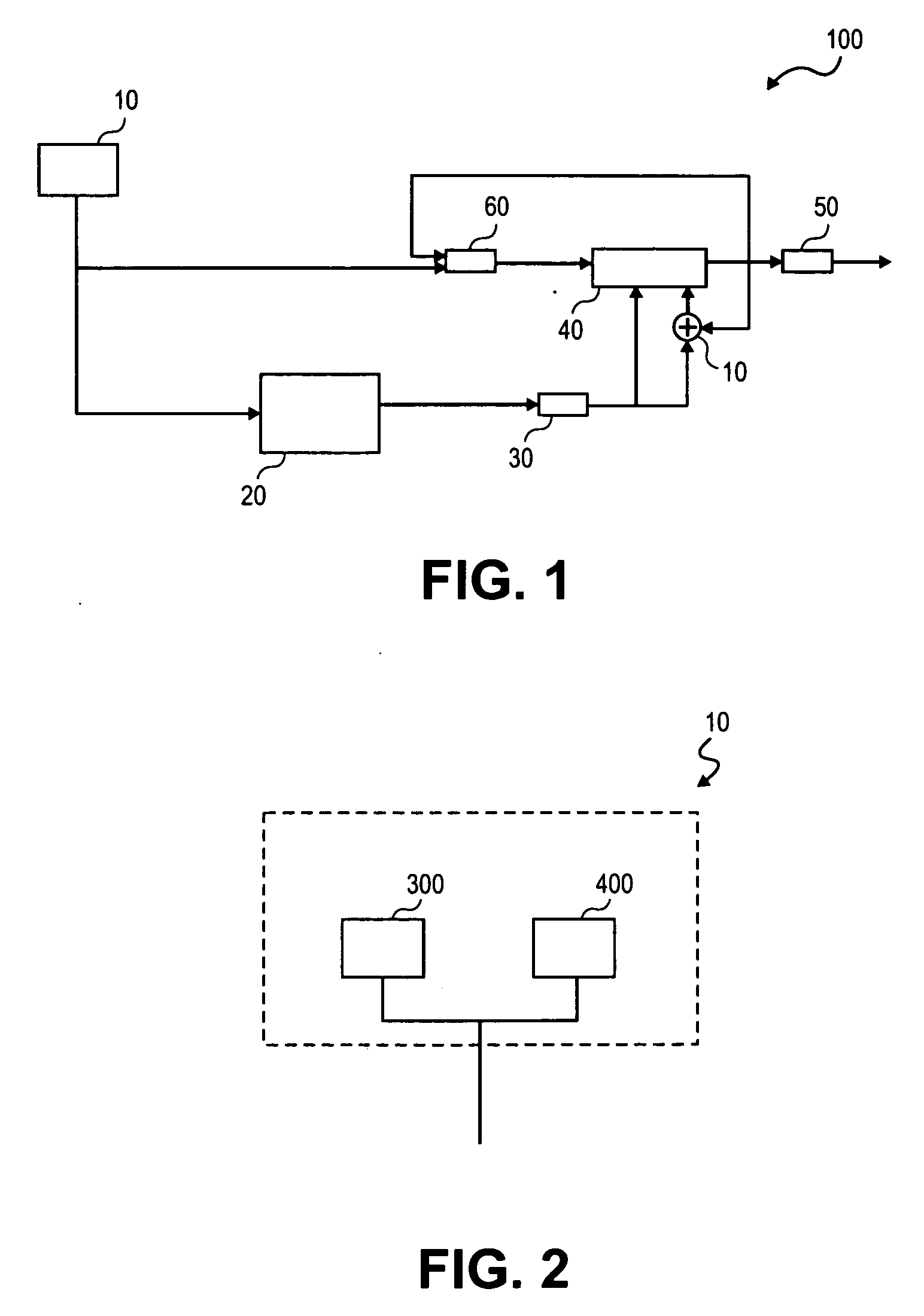
Figure 2 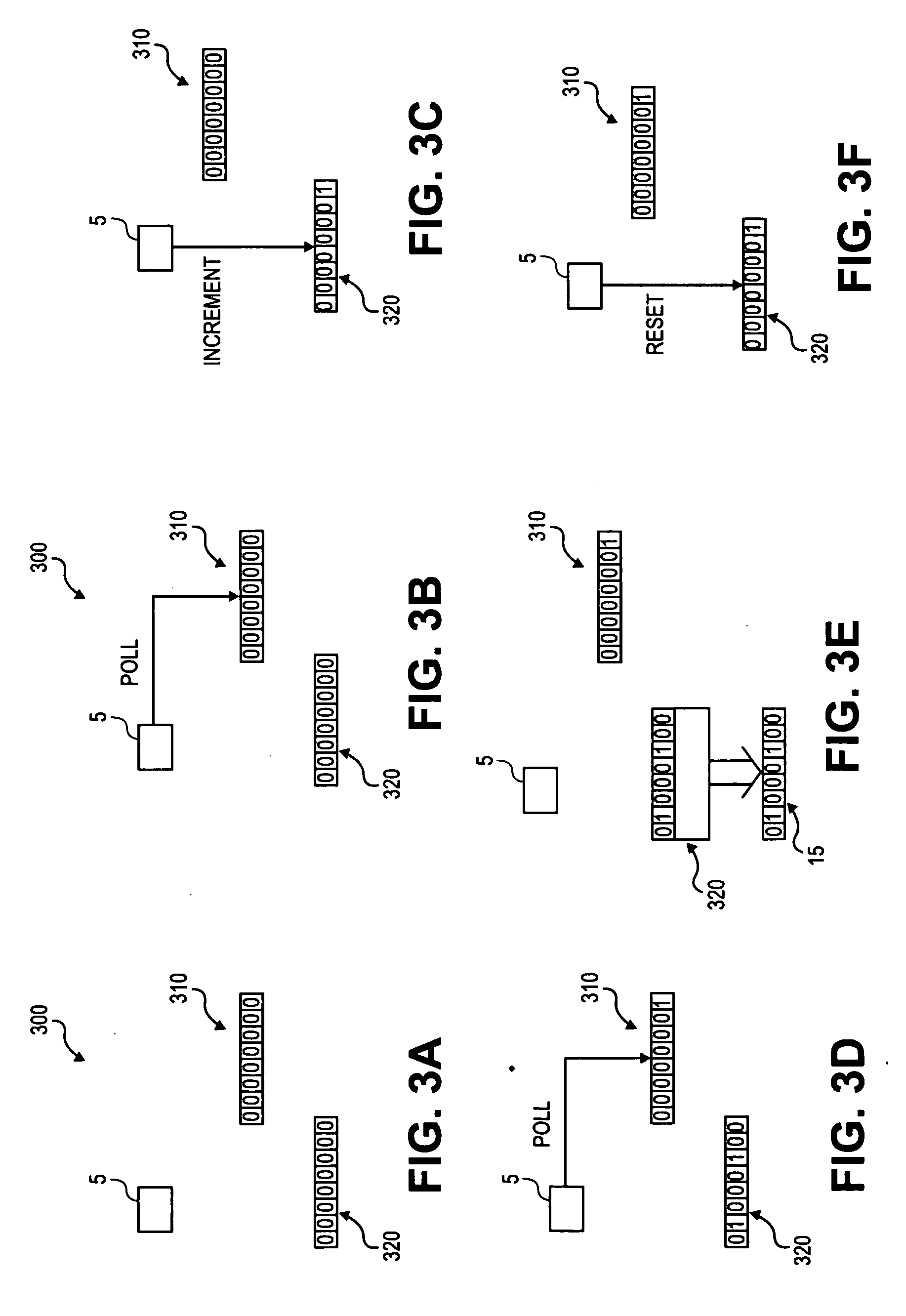
Figure 3
Abstract
Description
DESCRIPTION OF THE INVENTION
[0001] 1. Field of the Invention
[0002] This invention relates to computer-implemented methods and systems for generating pseudo-random numbers.
[0003] 2. Background of the Invention
[0004] Modern cryptography relies on cryptographic keys to protect data confidentiality, ensure data integrity, and guarantee data authenticity. The security offered by a cryptographic key, which is a bit string of a certain length, depends on the cryptographic algorithm; the randomness, or entropy, of the cryptographic key; and the secrecy with which the cryptographic key is held. Generally speaking, cryptographic applications are more secure if no part or value of the cryptographic key can be predicted. Therefore, many cryptographic applications use pseudo-random number generators (“PRNGs”) to generate cryptographic key information.
[0005] Currently, however, in common server or computer environments, generating sufficiently random data to serve as the cryptographic key ca...
Examples
Embodiment Construction
[0001] 1. Field of the Invention
[0002] This invention relates to computer-implemented methods and systems for generating pseudo-random numbers.
[0003] 2. Background of the Invention
[0004] Modern cryptography relies on cryptographic keys to protect data confidentiality, ensure data integrity, and guarantee data authenticity. The security offered by a cryptographic key, which is a bit string of a certain length, depends on the cryptographic algorithm; the randomness, or entropy, of the cryptographic key; and the secrecy with which the cryptographic key is held. Generally speaking, cryptographic applications are more secure if no part or value of the cryptographic key can be predicted. Therefore, many cryptographic applications use pseudo-random number generators (“PRNGs”) to generate cryptographic key information.
[0005] Currently, however, in common server or computer environments, generating sufficiently random data to serve as the cryptographic key cannot be guaranteed because of...