Using DISC to Evaluate The Emotional Response Of An Individual

a technology of emotional response and disc, applied in the field of human expression characterization, can solve the problems of inability of trained observer to detect involuntary facial expression, practical to perform these tests in vivo, human-observer based system would fail to perceive and/or analyze emotions associated with undetected involuntary facial expression, etc., to improve facs-based human facial expression analysis and improve odorous composition

a technology of emotional response and disc, applied in the field of human expression characterization, can solve the problems of inability of trained observer to detect involuntary facial expression, practical to perform these tests in vivo, human-observer based system would fail to perceive and/or analyze emotions associated with undetected involuntary facial expression, etc., to improve facs-based human facial expression analysis and improve odorous composition

US20080043025A1Inactive Publication Date: 2008-02-21ELC MANAGEMENT LLC

Image

Smart Image Click on the blue labels to locate them in the text.
Viewing Examples
Smart Image
  • Using DISC to Evaluate The Emotional Response Of An Individual
  • Using DISC to Evaluate The Emotional Response Of An Individual
  • Using DISC to Evaluate The Emotional Response Of An Individual

Examples

Experimental program
Comparison scheme
Effect test

Embodiment Construction

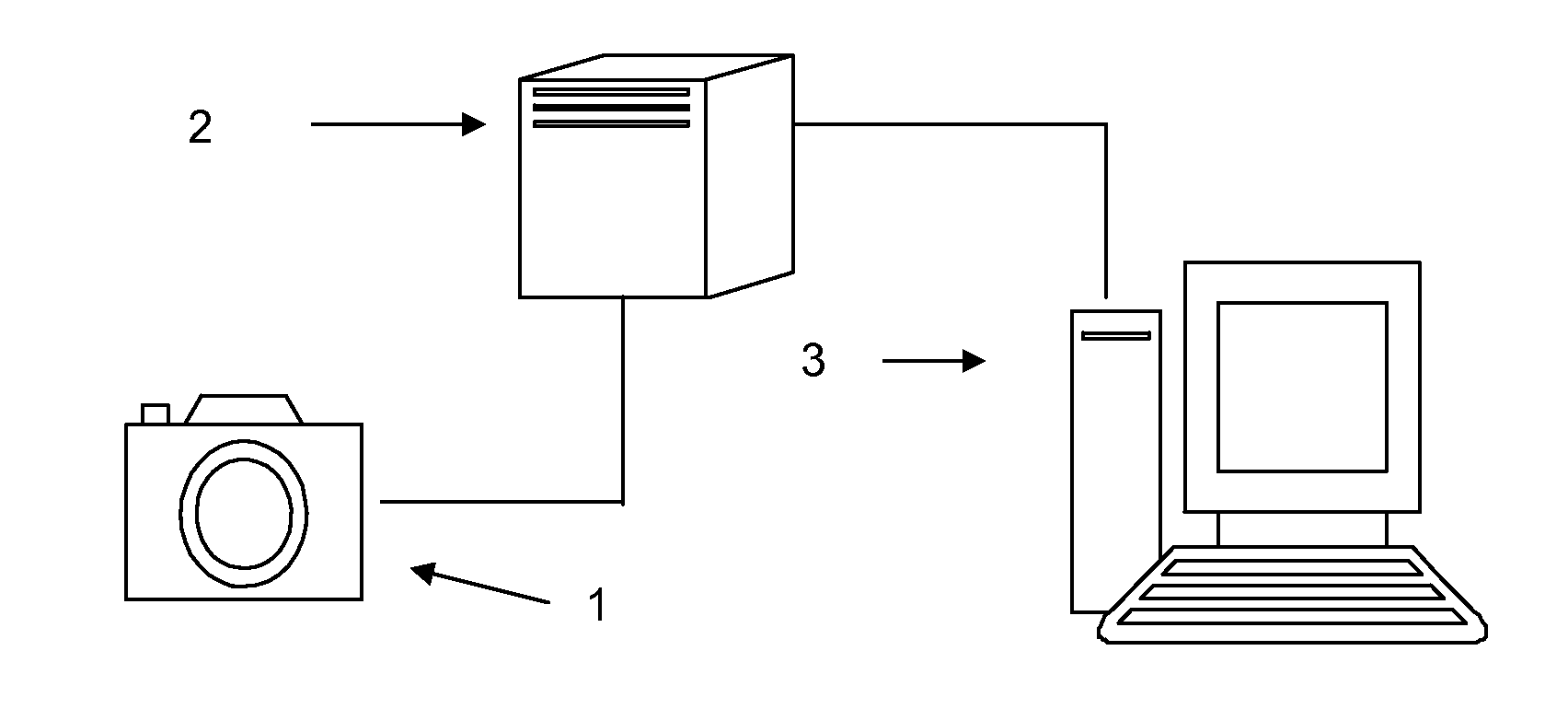
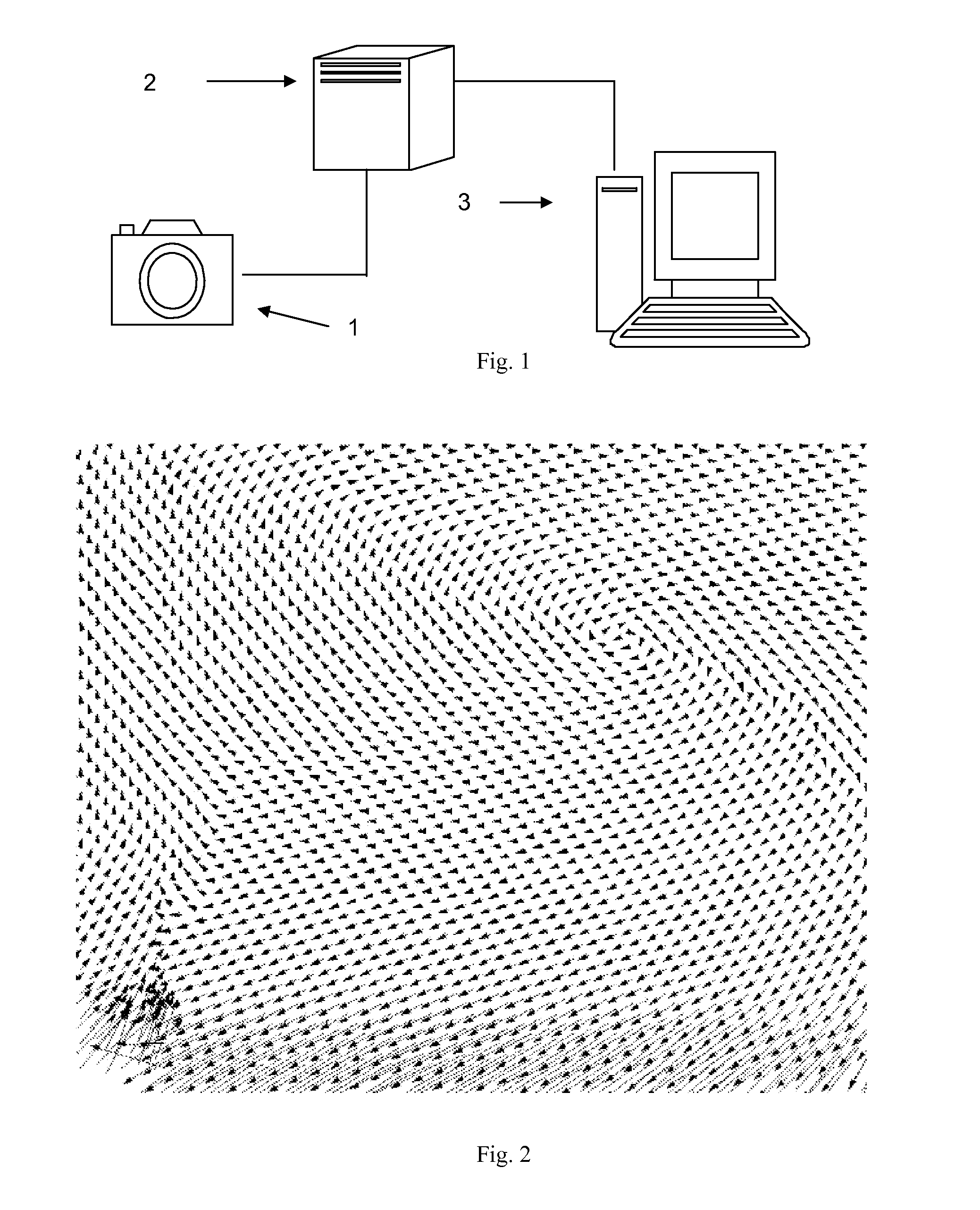
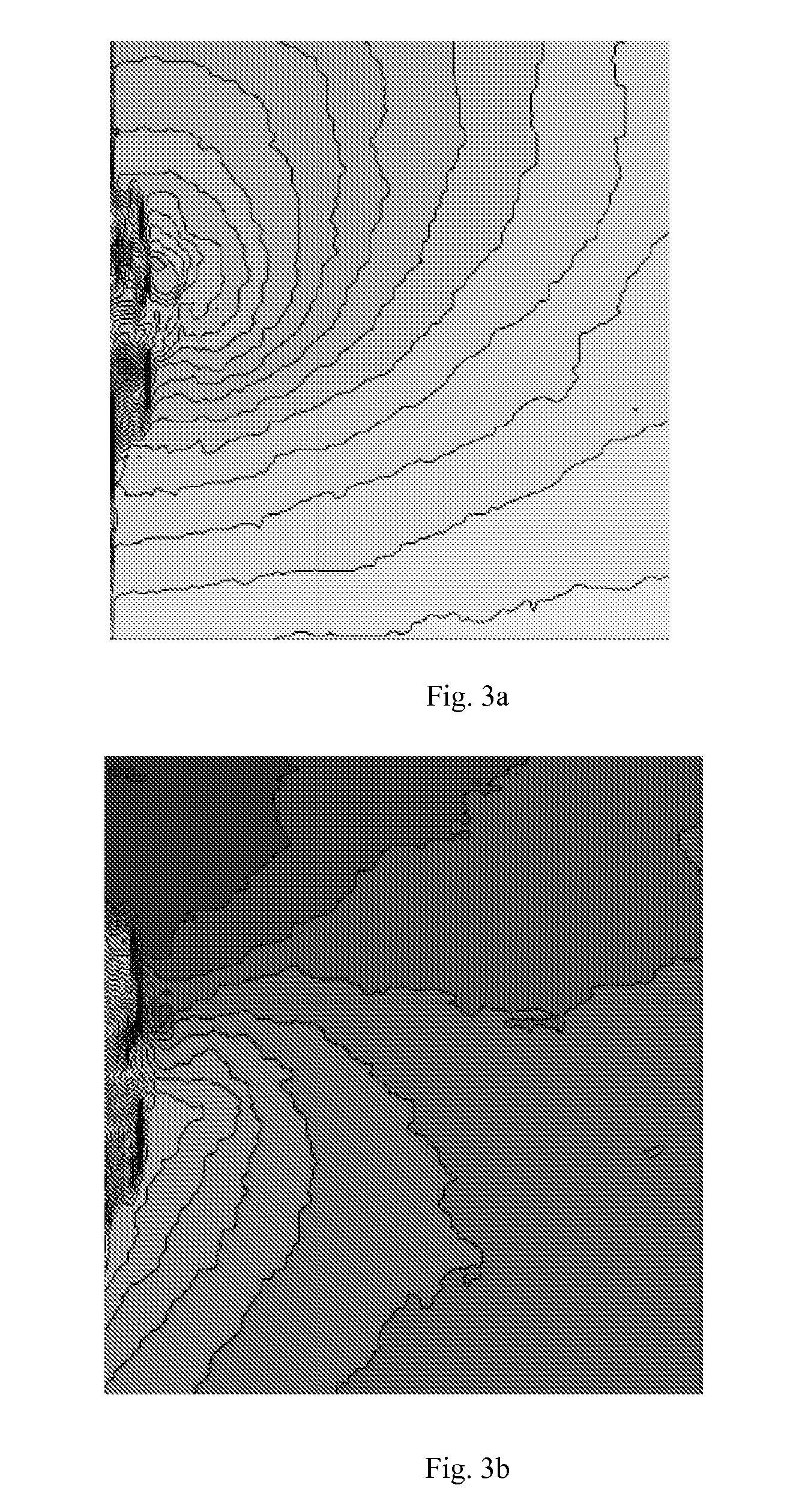
[0029] A DISC technique of the present invention is in vivo, while being completely non invasive and characterizes in real time, the behavior of the skin itself in response to external stimuli. For example, techniques of the present invention may be used to directly measure the immediate response of the skin to olfactory stimulation. Such a technique provides a great advantage in quantifying and qualifying consumer perceptions, in a meaningfully comparative fashion. The DISC technique of the present invention may pick up subtle, visually imperceptible reactions that correlate to emotional reactions of which the consumer may or may not be aware.

[0030] Likewise, the method of the present invention is different from a method described in applicants' co-pending application U.S. Ser. No. 11 / 296,236, herein incorporated by reference. In the '236 reference, the displacement of the skin in before and after images was caused by the voluntary musculature of the individual under evaluation. T...

the structure of the environmentally friendly knitted fabric provided by the present invention; figure 2 Flow chart of the yarn wrapping machine for environmentally friendly knitted fabrics and storage devices; image 3 Is the parameter map of the yarn covering machine
Login to View More

PUM

No PUM Login to View More

Abstract

The present invention comprises the use of Digital Image Speckle Correlation (DISC) to map facial deformations due to voluntary and / or involuntary, often subtle, facial expressions. The facial expressions may be the result of a response to internal or external stimuli. It is possible to develop quantitative and qualitative characterizations of the individual's response. The techniques of the present invention can be used to extend and improve the FACS, which includes assigning human emotions to facial expressions. It is also possible to use test subject feedback to correlate facial expressions to human emotion.

Description

[0001] This application claims the benefit of U.S. 60 / 823,060, filed Aug. 21, 2006.FIELD OF THE INVENTION [0002] The present invention pertains to the field of human expression characterization. Specifically, the present invention pertains to methods of characterizing the emotional response of a human subject to internal or external stimuli. BACKGROUND [0003] Emotions involve physiological responses that are regulated by the brain. Among these responses, is the muscular activity of facial expression. Human facial expression can be very subtle. Therefore, means for describing and interpreting the facial expressions of another must be very sensitive. The Facial Action Coding System (FACS) [1, 2] is a human observer-based system designed to catalog and classify all human facial expressions and their relation to human emotions. Viewing videotaped facial behavior in slow motion, trained observers can manually code all possible facial displays, which are referred to as action units. Actio...

Claims

the structure of the environmentally friendly knitted fabric provided by the present invention; figure 2 Flow chart of the yarn wrapping machine for environmentally friendly knitted fabrics and storage devices; image 3 Is the parameter map of the yarn covering machine
Login to View More

Application Information

Patent Timeline
21 Feb 2008
Publication
US20080043025A1
IPC
G06T13/00
CPC
G06K9/00302; G06K9/00268; G06V40/168; G06V40/174
Inventors
ISABELLE, AFRIAT; MIRIAM, RAFAILOVICH