Method and Devices for Minimally Invasive Arthroscopic Procedures

a minimally invasive and arthroscopic technology, applied in the field of arthroscopic procedures, can solve the problems of inability to access the posterior side of the joint, the damage to the structure is permanent and irreparable, and the risk of the procedure is significantly increased

US20090171159A1Active Publication Date: 2009-07-02ORTHODYNAMIX
52 Cites 67 Cited by

Patent Information

Authority / Receiving Office
US · United States
Patent Type
Applications(United States)
Current Assignee / Owner
Publication Date
2009-07-02

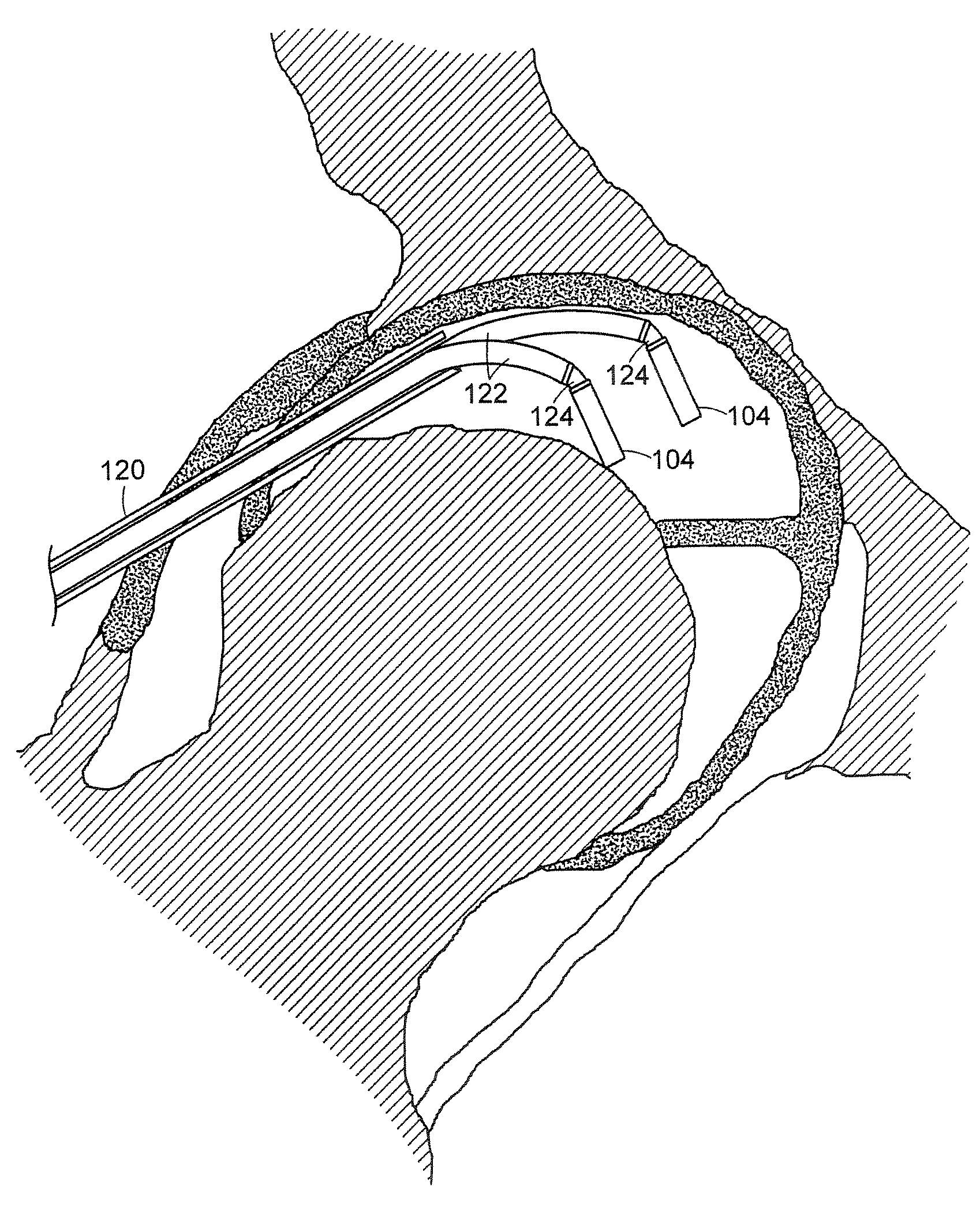
Smart Images

  • Figure 1
    Figure 1
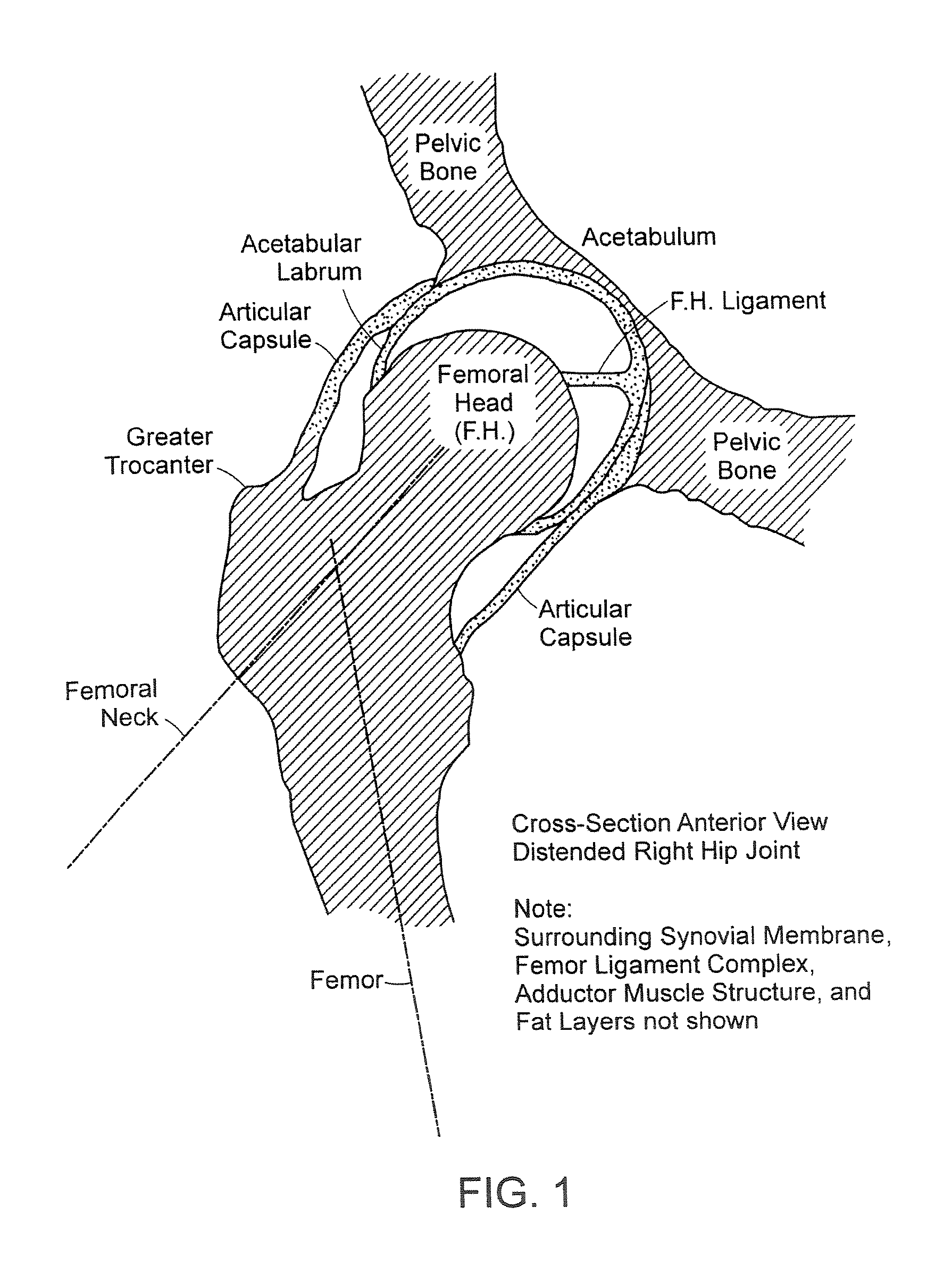
  • Figure 2
    Figure 2
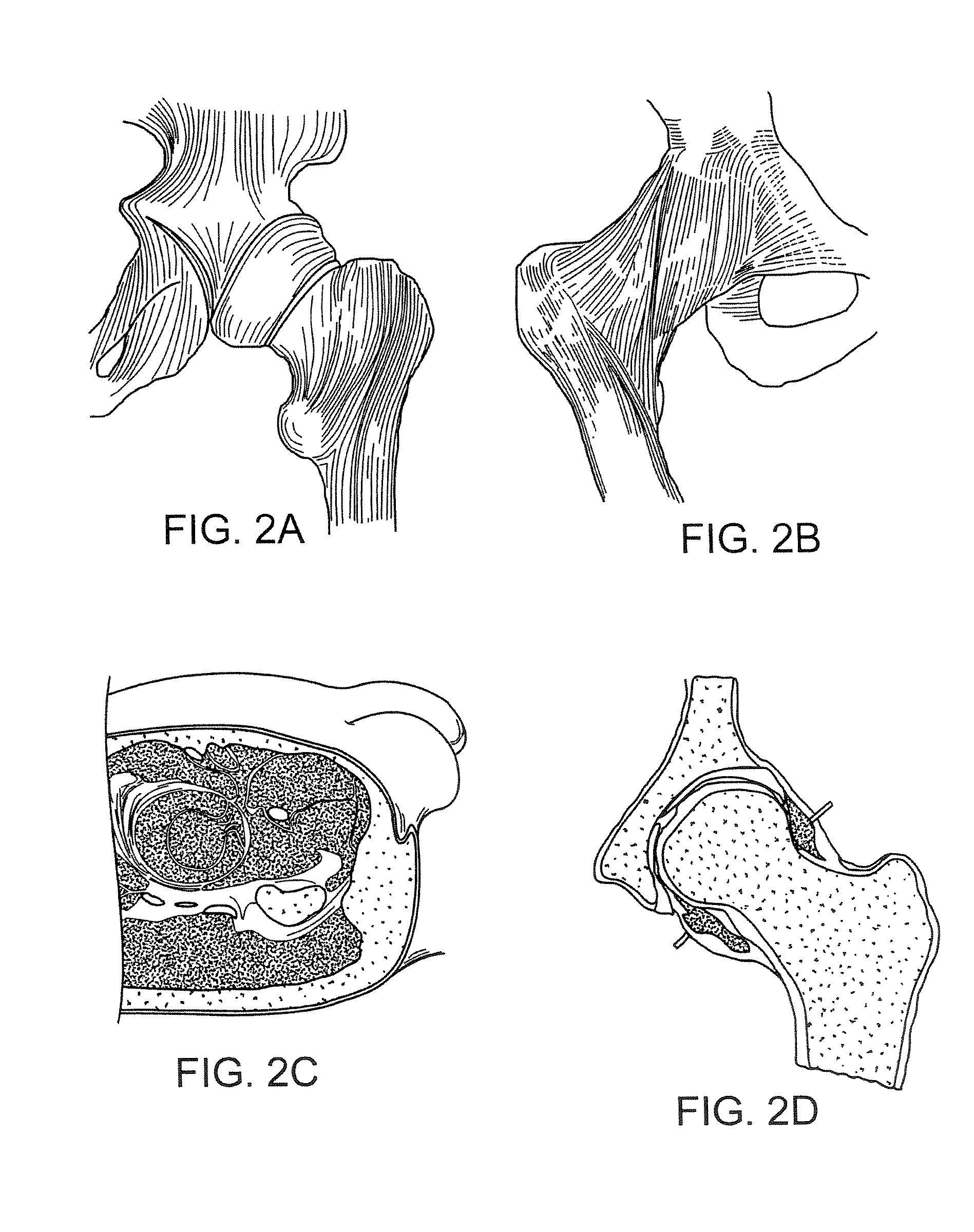
  • Figure 3
    Figure 3
Patent Text Reader

Abstract

A surgical device is provided, the device having a tubular outer body member with a handle at its proximal end and a flexible distal end segment extending from its distal end. The surgical device also has an operable end extending from the distal end of the flexible distal end segment. The device is configured for selectively causing the flexible end segment to bend to adopt a desired curvature and for selectively rotating the operable end relative to the flexible distal end segment about an axis of the flexible distal end segment.
Need to check novelty before this filing date? Find Prior Art

Description

CROSS-REFERENCE TO RELATED APPLICATIONS

[0001] The present application is a continuation-in-part of U.S. patent application Ser. No. 12 / 119,799, filed on May 13, 2008, which is a continuation of U.S. patent application Ser. No. 11 / 643,740, filed Dec. 20, 2006, which claims the benefit of U.S. provisional application 60 / 752,284, filed Dec. 20, 2005, each of which is incorporated herein by reference in its entirety.FIELD OF THE INVENTION

[0002] The present invention relates generally to devices and methods for performing arthroscopic procedures, particularly arthroscopic procedures on the hip, including arthroscopic diagnostic and surgical procedures.BACKGROUND OF THE INVENTION

[0003] Access to the knee and shoulder capsules during arthroscopic surgery is typically made through opposing portals often called the operative portal and the visualization portal. The arthroscope is typically inserted through the visualization portal, while the medical device is inserted through the operative port...

Examples

Embodiment Construction

[0072]The devices and methods of the invention are primarily illustrated and described herein by means of devices which have been adapted for use in performing arthroscopic procedures on the hip. The devices and methods provide access to the internal portions of the distended hip capsule during arthroscopic procedures that are presently not accessible using currently available arthroscopic instruments. The devices and methods can suitably be used to perform arthroscopic procedures not only on the hip, but also on other parts of the body, such as the knee and shoulder. The devices are particularly suitable for performing procedures on parts of the body that require flexible access. The devices and methods are not limited to arthroscopy, and can further be used in endoscopic and laparoscopic procedures as well as open surgeries. The devices can be in the general form of any conventional diagnostic or operative instrument including, but not limited to, gaspers, scissors, forceps, scalp...