Data encryption method

a data encryption and data technology, applied in the field of data encryption methods, can solve the problems of difficult data transmission across the network to a plurality of recipients, particularly problematic latency,

US20130305033A1Inactive Publication Date: 2013-11-14LACSON FRANCIS GERARD +2
11 Cites 7 Cited by

Patent Information

Authority / Receiving Office
US · United States
Patent Type
Applications(United States)
Current Assignee / Owner
Publication Date
2013-11-14
Estimated Expiration
Not applicable · inactive patent

Smart Images

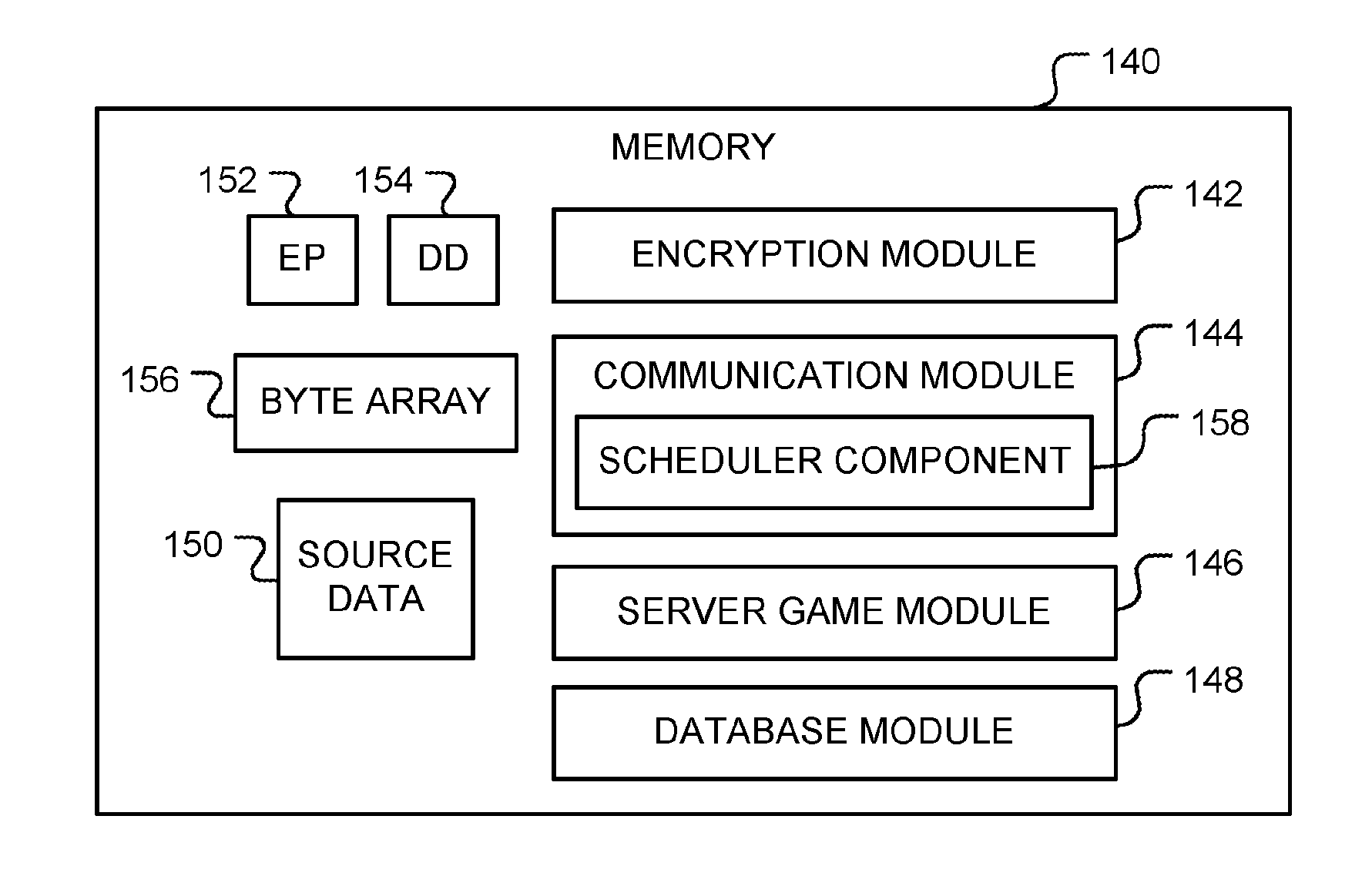
  • Figure 1
    Figure 1
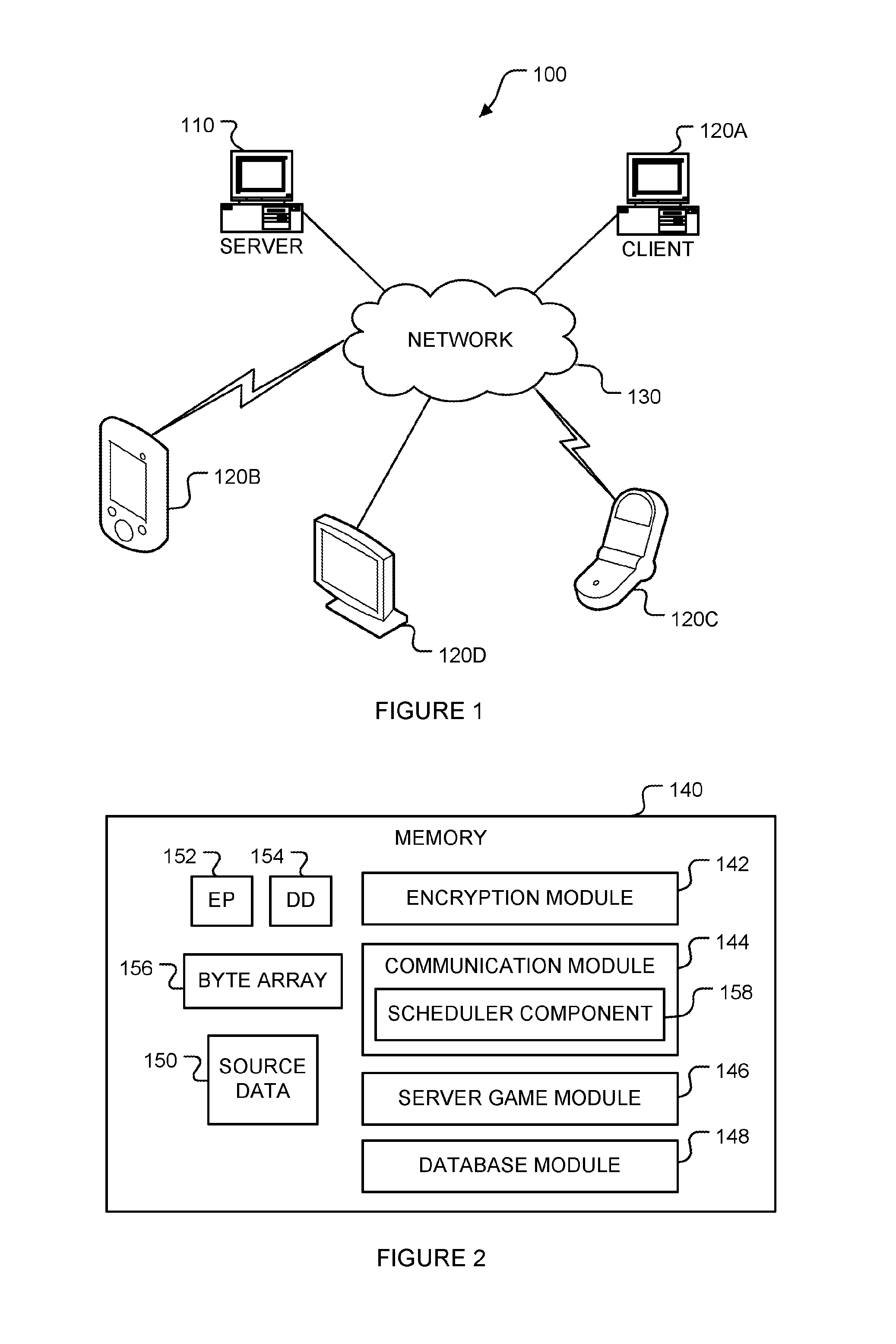
  • Figure 2
    Figure 2
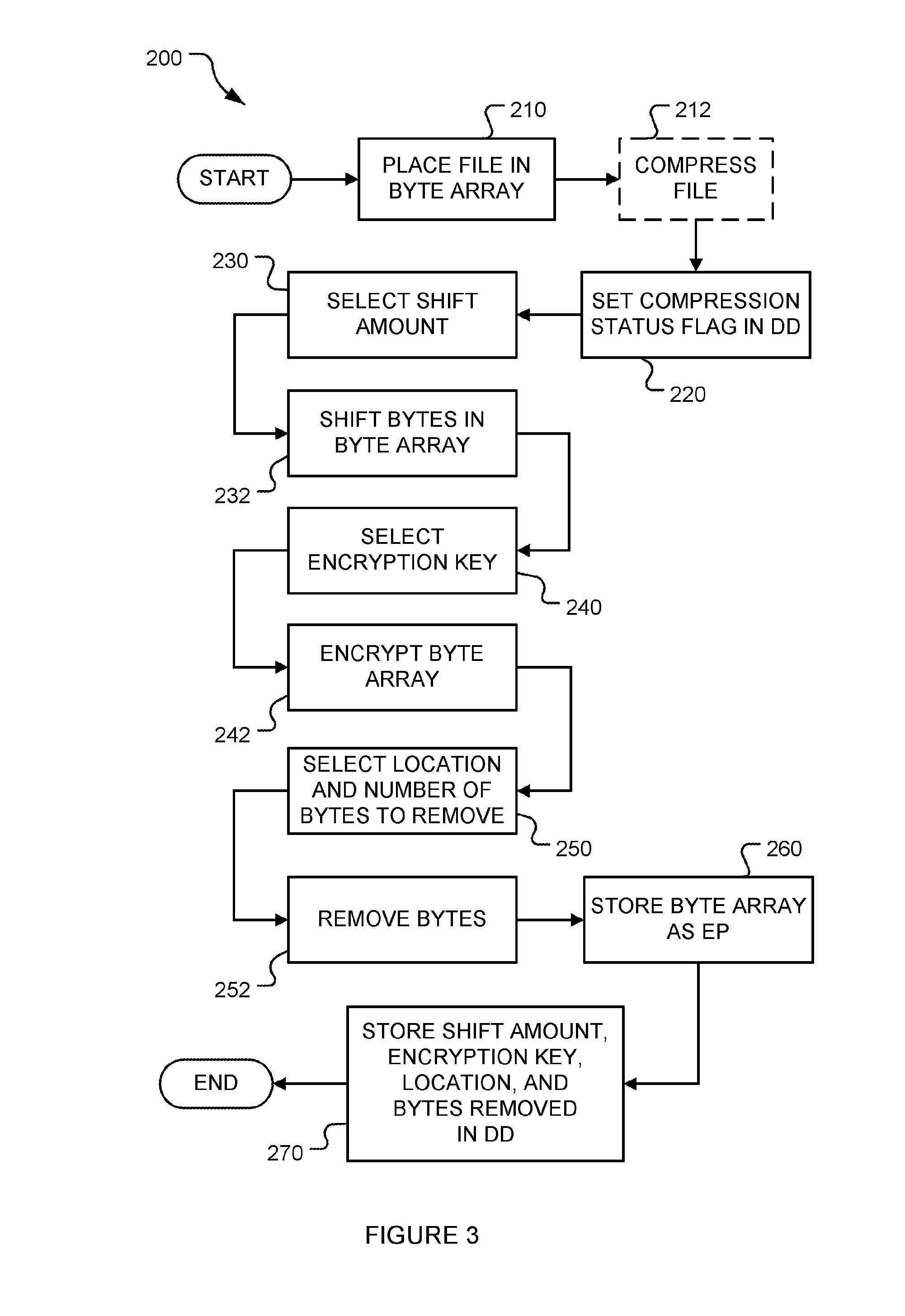
  • Figure 3
    Figure 3
Patent Text Reader

Abstract

A method performed by a computing system. Embodiments of the method include shifting source data by a shift amount and encrypting the shifted data with an encryption key to produce encrypted data. An encryption package is produced by removing a portion of the encrypted data. Decryption data is generated that includes the shift amount, the encryption key, the location in the encrypted data from which the data was removed, and the data that was removed. Copies of the encryption package are sent to remote client computing devices and the system waits until a decryption time. At the decryption time, copies of the decryption data are sent to the client computing devices, which are each configured to decrypt the encryption package using the decryption data to obtain the information of the source data at substantially the same time.
Need to check novelty before this filing date? Find Prior Art

Description

CROSS REFERENCE TO RELATED APPLICATION(S)

[0001] This application claims the benefit of U.S. Provisional Application No. 61 / 438,628, filed Feb. 1, 2011, which is incorporated herein by reference in its entirety.BACKGROUND OF THE INVENTION

[0002] 1. Field of the Invention

[0003] The present invention is directed generally to methods of encrypting and decrypting data.

[0004] 2. Description of the Related Art

[0005] Sending data across a network to a plurality of recipients such that each recipient receives the data at the same time is difficult because networks are typically constructed from heterogeneous hardware and software components. Further, the data must travel further to reach some recipient than others. In other words, the distance traveled by the data to each recipient is not identical. Thus, different amounts of time may elapse between the sending of the data by a sender and the receipt of the data by each of a plurality of recipients. This latency is particularly problematic when a ...

Examples

Embodiment Construction

[0024]A sender may send data to a plurality of recipients in three phases. In a first phase, the sender sends data to the recipients in an encrypted format that the recipients cannot readily decrypt. Then, in a second phase, the sender waits a sufficient amount of time for the recipients to receive the encrypted data. In a third phase, the sender sends decryption information to the recipients that the recipients may use to decrypt the encrypted data to thereby gain access to the data. The decryption information is configured to arrive at recipients at substantially identical times. The encrypted data is encrypted such that it cannot be decrypted without the decryption information in an amount of time between the receipt of the encrypted data and the arrival of the decryption information.

[0025]By performing the above three phases, the sender restricts access to the encrypted data until after the decryption information is received. Because the decryption information is configured to a...