
Homogeneous Atomic Pattern for Double, Add, and Subtract Operations for Digital Authentication Using Elliptic Curve Cryptography
a technology of elliptic curve and atomic pattern, applied in the field of data security, can solve the problems of data communication security, especially vulnerable to attack and compromise, and security is becoming the paramount issue, and achieves the effect of efficient authentication and reduced side-channel detection of private keys
- Summary
- Abstract
- Description
- Claims
- Application Information
AI Technical Summary
Benefits of technology
Problems solved by technology
Method used
Image

Examples
Embodiment Construction
[0029]One or more embodiments are described in this specification as implemented into a distributed computing system, such as a sensor, controller, or other “Internet of Things” (“IoT”) communications node, as it is contemplated that such implementation of those embodiments is particularly advantageous in such a context. However, it is also contemplated that concepts of this invention may be beneficially applied to in other applications, for example mobile telephone handsets and other mobile devices, laptop computers and other personal computer systems, and other devices that are tasked with decrypting encrypted data. Accordingly, it is to be understood that the following description is provided by way of example only, and is not intended to limit the true scope of this invention as claimed.
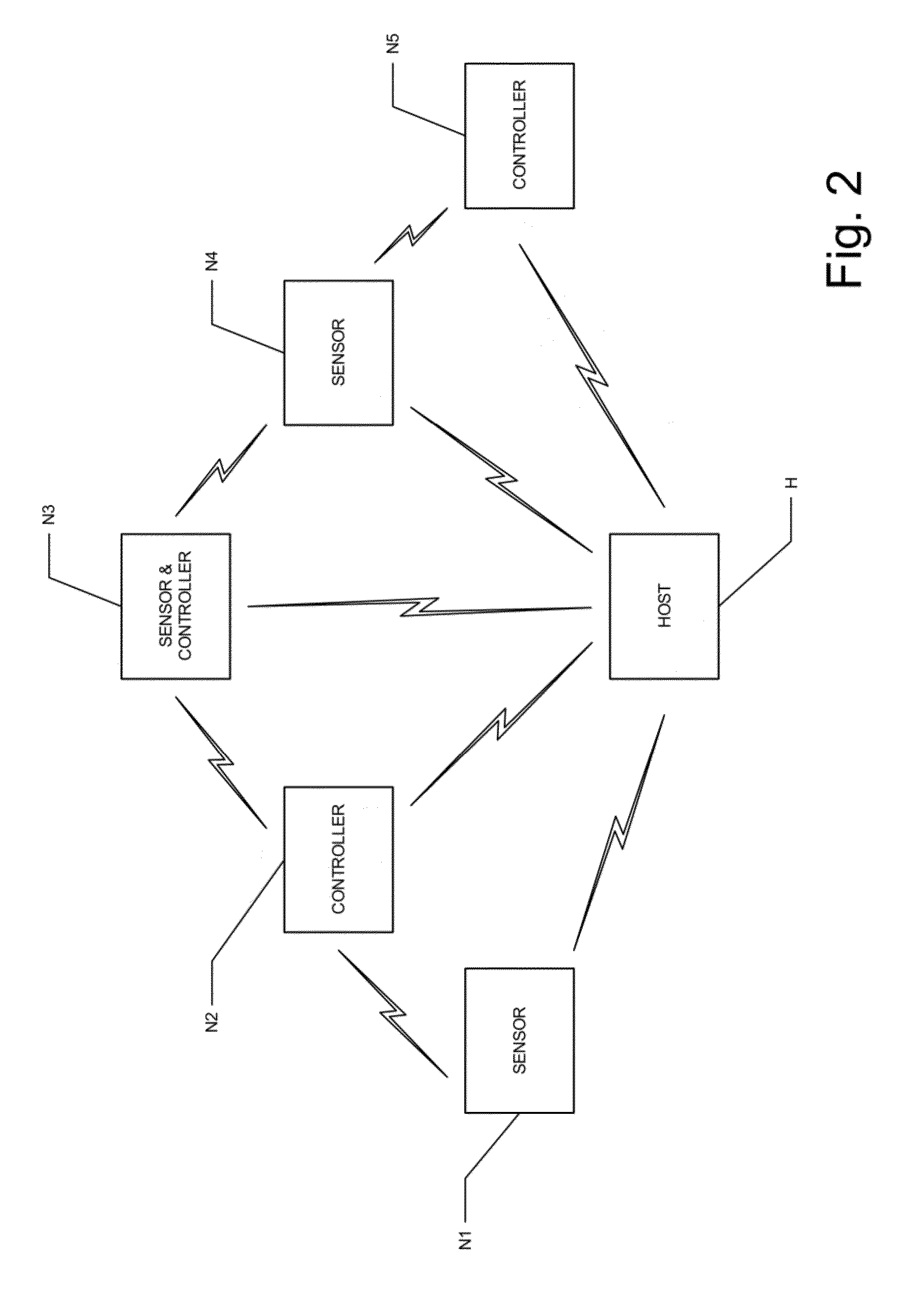
[0030]FIG. 2 is a block diagram illustrating a distributed network system in which embodiments of this invention may be deployed. As known in the art, some modern networked systems consist of a n...
PUM
 Login to View More
 Abstract
Description
Claims
Application Information
 Login to View More