Particularly when used to direct a driver in a vehicle along a journey, difficulties are presented when there is
heavy traffic along that journey.
This causes delays to the user.
These delays are annoying for the user, but may also be cause other problems.
Both of these targets can prove difficult to achieve when a journey that has been planned by the navigation device passes through areas of
heavy traffic or other reasons for
delay along a road.
Furthermore, cars that spend more time driving (for example because they spend time moving slowly or stopped in traffic) will be use more fuel, and consequently be more damaging to the environment.
However, there may have been a different route that was longer in distance, but may in fact have resulted in a lower total journey time.
Traffic may sometimes slow or come to a standstill.
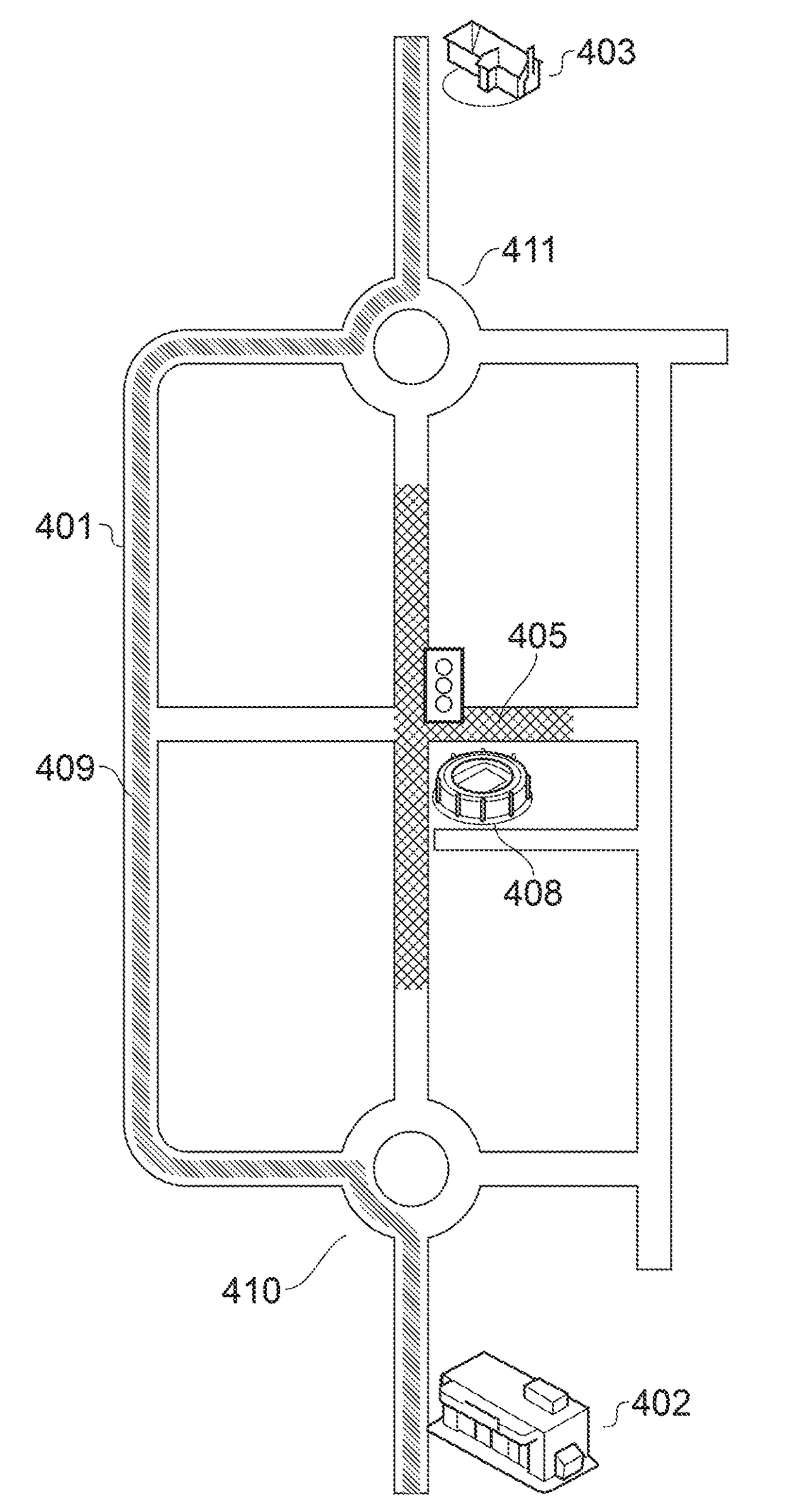
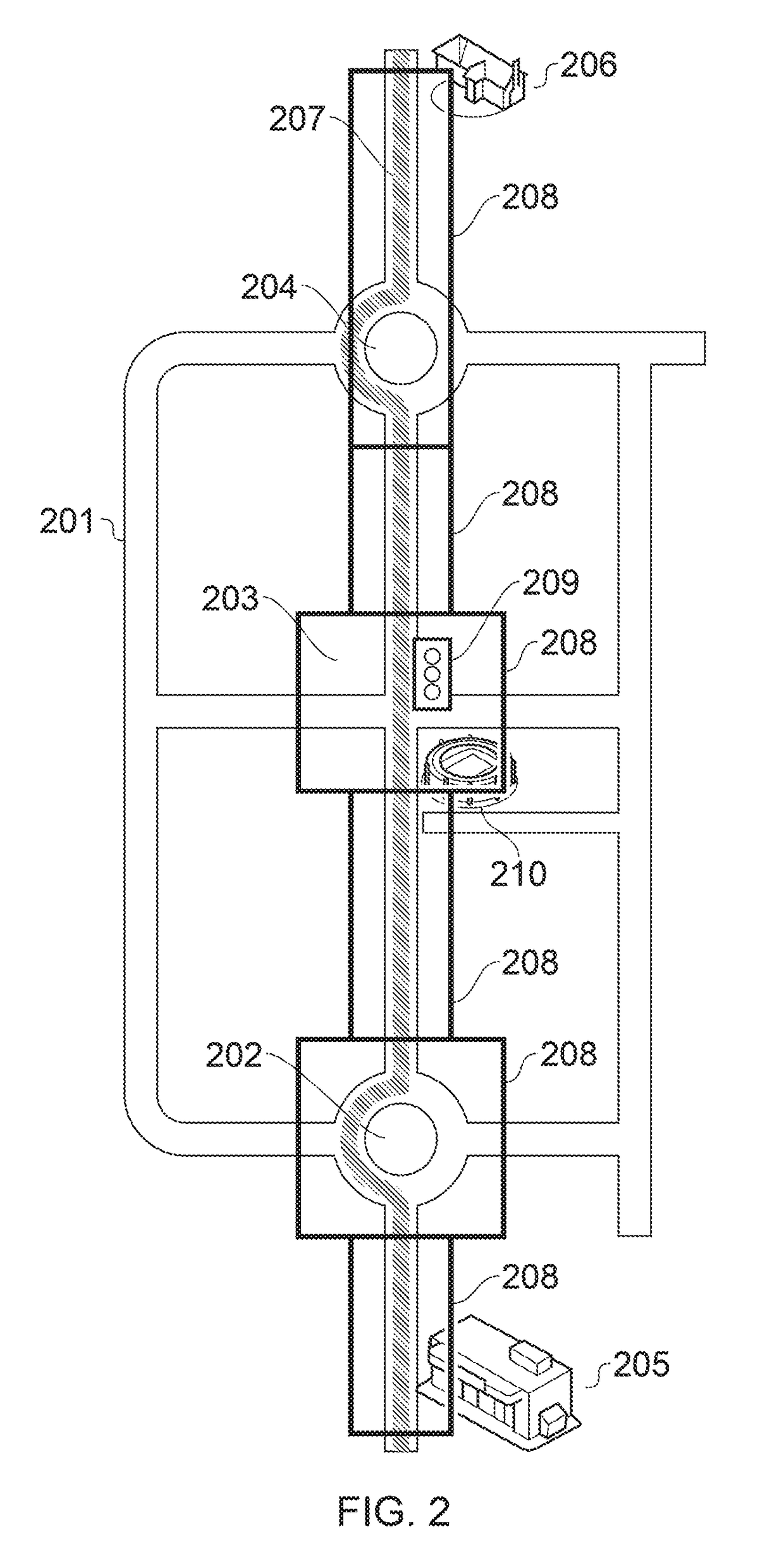
Junctions / roundabouts may also present areas of
heavy traffic at some times, but not at other times. Navigation devices do not have any way of accounting for this temporal variation in traffic patterns, and as such, will sometimes direct a user along a road where traffic is heavy, delaying the user's progress to their destination.
If a device cannot determine its position accurately, then it can present difficulties in determining when a location has in fact been reached.
For example, if the device is inaccurate, it may not be able to direct a user exactly to their desired destination.
This accuracy problem is exacerbated by the use digital maps that do not know exactly where an address is located.
While this method may sometimes direct the user to close to the correct location, many times it will not.
This again constitutes a problem for navigation device users, who have to spend significant time locating the correct destination after the navigation device has taken them effectively as close as it can.
Even a top-ranked product would not be accurate in all situations and in different locations for example in rural locations and / or in urban locations.
Of course a navigation device can only present instructions to the user that they should follow to reach their destination.
A user who doesn't follow the directions presented to them by their navigation device may as a result take a non-
optimal route.
Such a non-
optimal route may take the user longer to complete than the route down which the navigation device intended to direct them.
In particular, the delivery of hot food from a production point to various destinations within a demarcated territory present issues for
satellite navigation devices.
Multi drops are discouraged and only employed when the delivery resources i.e. the number of drivers are insufficient to the demand.


 Login to View More
  Login to View More