In a work vehicle that does not include a cab suspension system, the
ride quality and operator comfort of the work vehicle is adversely affected by vibrations or movement transmitted from the frame or chassis of the vehicle to the operator's cab.
Movement of the cab can be particularly severe in agricultural and construction equipment vehicles (e.g., tractors, combines, backhoes, cranes, dozers, trenchers, skid-steer loaders, etc.) because such vehicles typically operate on off-road surfaces or fields having a high level of bumpiness.
Operator comfort may also be adversely affected by the operation of various systems on a work vehicle.
The movement of the cab caused by surface bumps and the operation of vehicle systems cause both qualitative and quantitative problems.
An operator of such a vehicle experiences increased levels of discomfort and fatigue caused by the vibrations.
Productivity is decreased when an operator is forced to rest or shorten the work day, or is unable to efficiently control the work vehicle.
The operator is also less likely to be satisfied with a work vehicle which provides poor
ride quality.
Under certain conditions, the frequency and magnitude of cab movement may force the operator to decrease driving speed, further decreasing productivity.
Although work vehicles having active cab suspension systems provide improved ride quality and increased operator comfort, the active cab suspension systems neither are designed for nor are capable of eliminating all undesirable vibration and movement experienced within the cabs or by other components of the work vehicles.
As a work vehicle proceeds down a path, the work vehicle (e.g., the chassis of the work vehicle) continually experiences vibration due to variation in the level of the
terrain being traversed.
Such vibration may be of sufficient magnitude to cause damage to the work vehicle, in several ways.
If the vibration is significant but does not overly strain the active cab suspension system, the active cab suspension system will shield the operator of the work vehicle from much or all of the vibration, and the operator will likely remain unaware of the magnitude of the vibration.
In this case, although the operator will not physically experience all of the vibration, the vibration may still be significant enough to cause damage to the work vehicle, particularly to components of the work vehicle other than the cab such as the chassis.
Additionally, the vibration may be significant enough to cause damage to implements being towed by (or otherwise attached to) the work vehicle (the work vehicle may be defined as including such implements).
Thus, it is possible for the work vehicle to become damaged due to excessive vibration because the active cab suspension system precludes operator awareness of the vibration and, consequently, the operator continues to operate the work vehicle without taking affirmative action to reduce the excessive vibration, such as slowing down the vehicle's travel speed.
Further, if the vibration becomes even greater, the active cab suspension system may be strained beyond its
operational capabilities.
In particular, excessive vibration may cause one or more of the active vibration isolators to exceed their predetermined limits of physical movement and may even cause one or more of the hydraulic pistons within the respective active vibration isolators (or other components of the active cab suspension system) to reach their mechanical stops.
Under these conditions, damage may occur to both the active cab suspension system and to other components of the work vehicle (including the cab).
While the operator of the work vehicle will become aware of the excessive vibration (and presumably take action to reduce the vibration) if the hydraulic pistons reach their mechanical stops, significant damage may already have occurred by that time.
That is, the vibration may be placing excessive strain upon (or otherwise damaging) the active cab suspension system and other components of the work vehicle before the hydraulic pistons reach their mechanical stops, and before the operator can take action to prevent the excessive vibration.
Additionally, in certain cases a work vehicle may experience a particular type of vibration from which its active cab suspension system is incapable of isolating the cab.
While such vibration is therefore physically experienced by the operator of the work vehicle (since the active cab suspension system is incapable of preventing transmission of the vibration to the cab), the operator may remain unaware or unconcerned with the vibration even though it may be undesirable for the operator to be exposed to such vibration for longer than a given period of time.



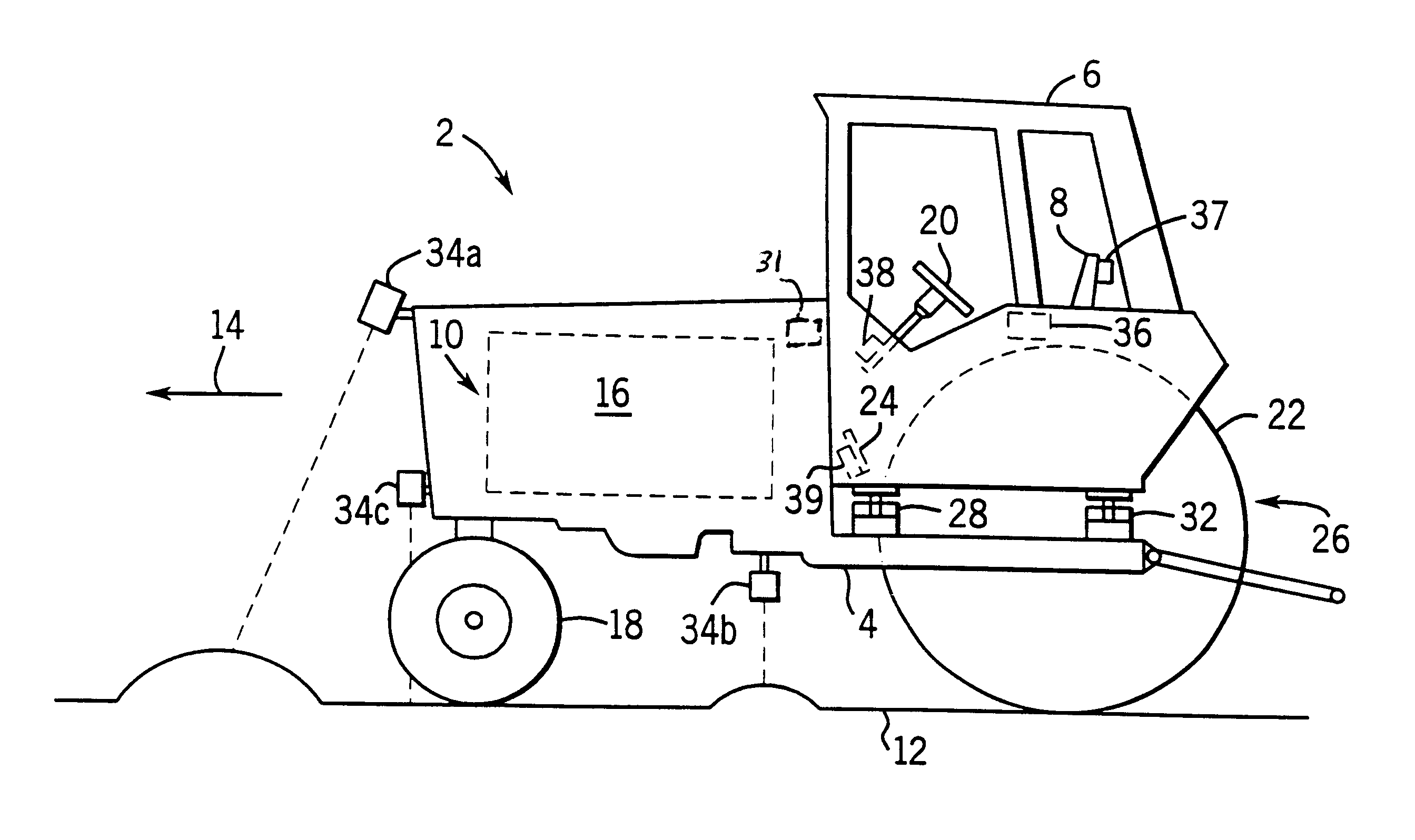
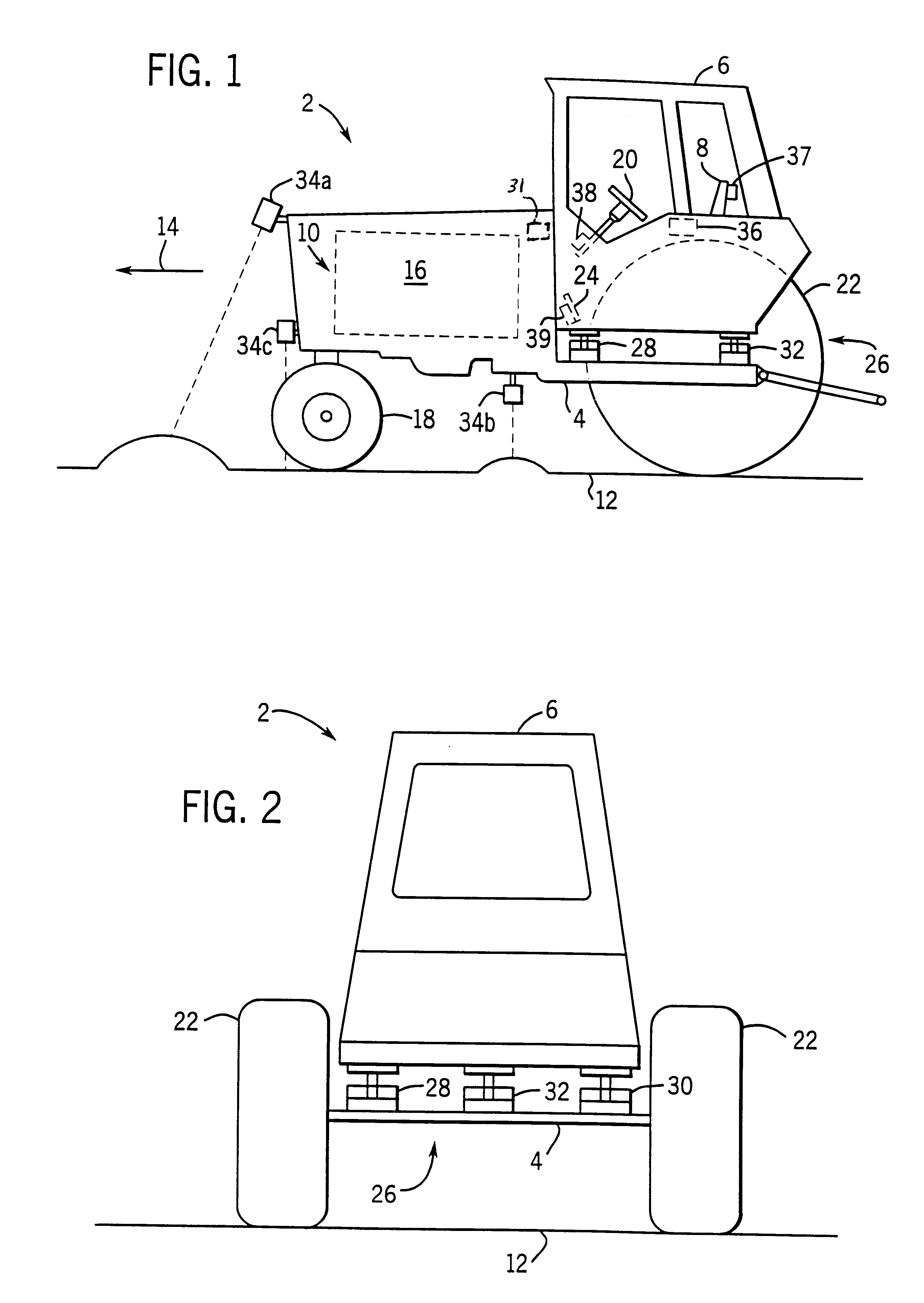
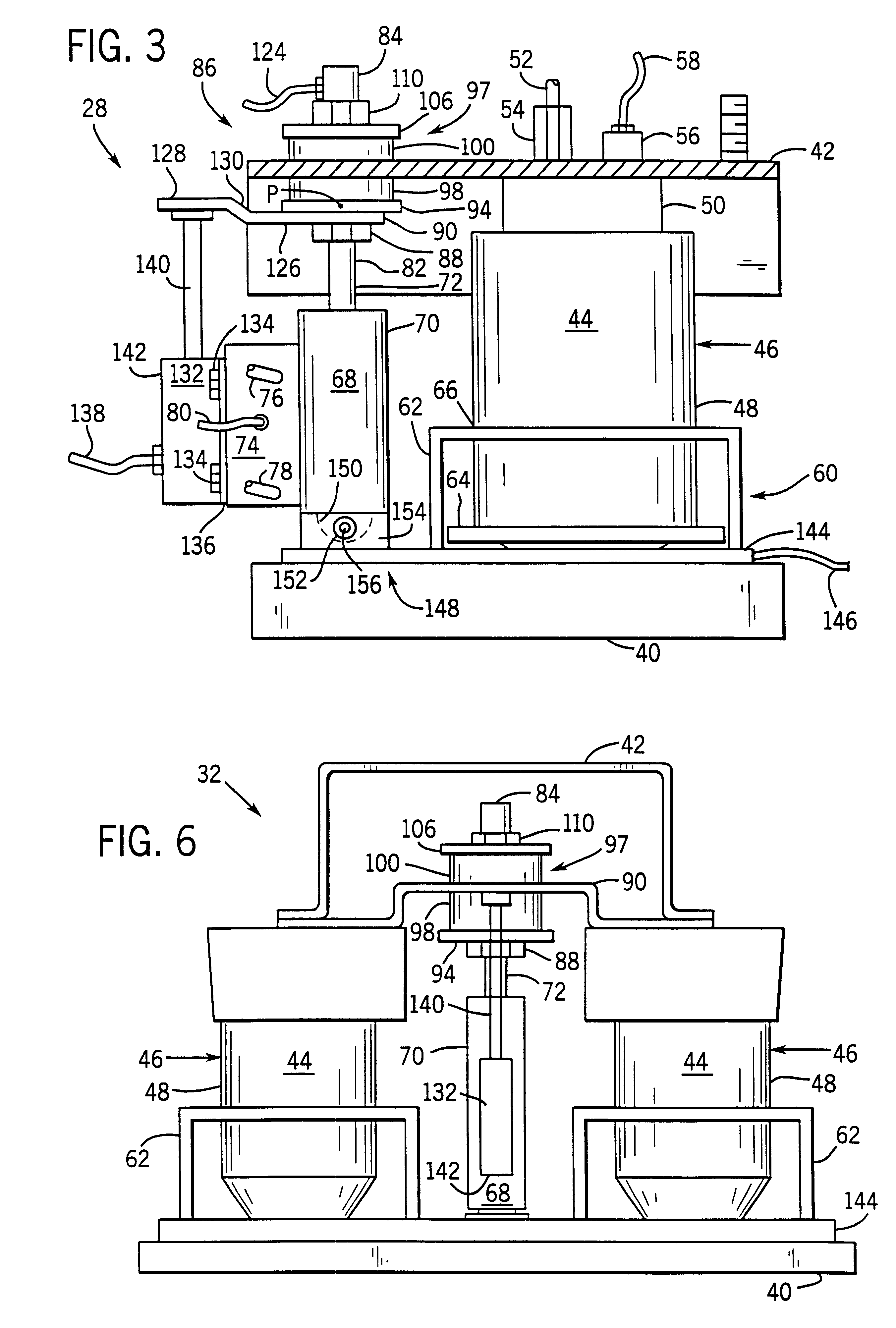
 Login to View More
  Login to View More