Their appearance blends well with most tree
bark, making them difficult to detect.
If left uncontrolled, they can cause substantial damage, often infesting 20 to 90% of the fruit, depending on the variety and location.
Nuts damaged early in the season when the nuts are quite small will drop off trees soon after damage occurs.
Nuts damaged later in the season will remain on trees, but their kernels are inedible.
Codling moth can be very difficult to manage, especially if the
population has been allowed to build up over a season or two.
However, to be effective, the timing of insecticide spray applications is critical and are difficult to time accurately.
Nearby orchards or backyard trees in which no control program is in place can serve as a continual source of codling moths, thus making it even more difficult to limit damage through nonchemical means alone.
However, in areas with high populations or nearby unmanaged host trees,
sanitation will probably need to be combined with more aggressive methods to achieve satisfactory control.
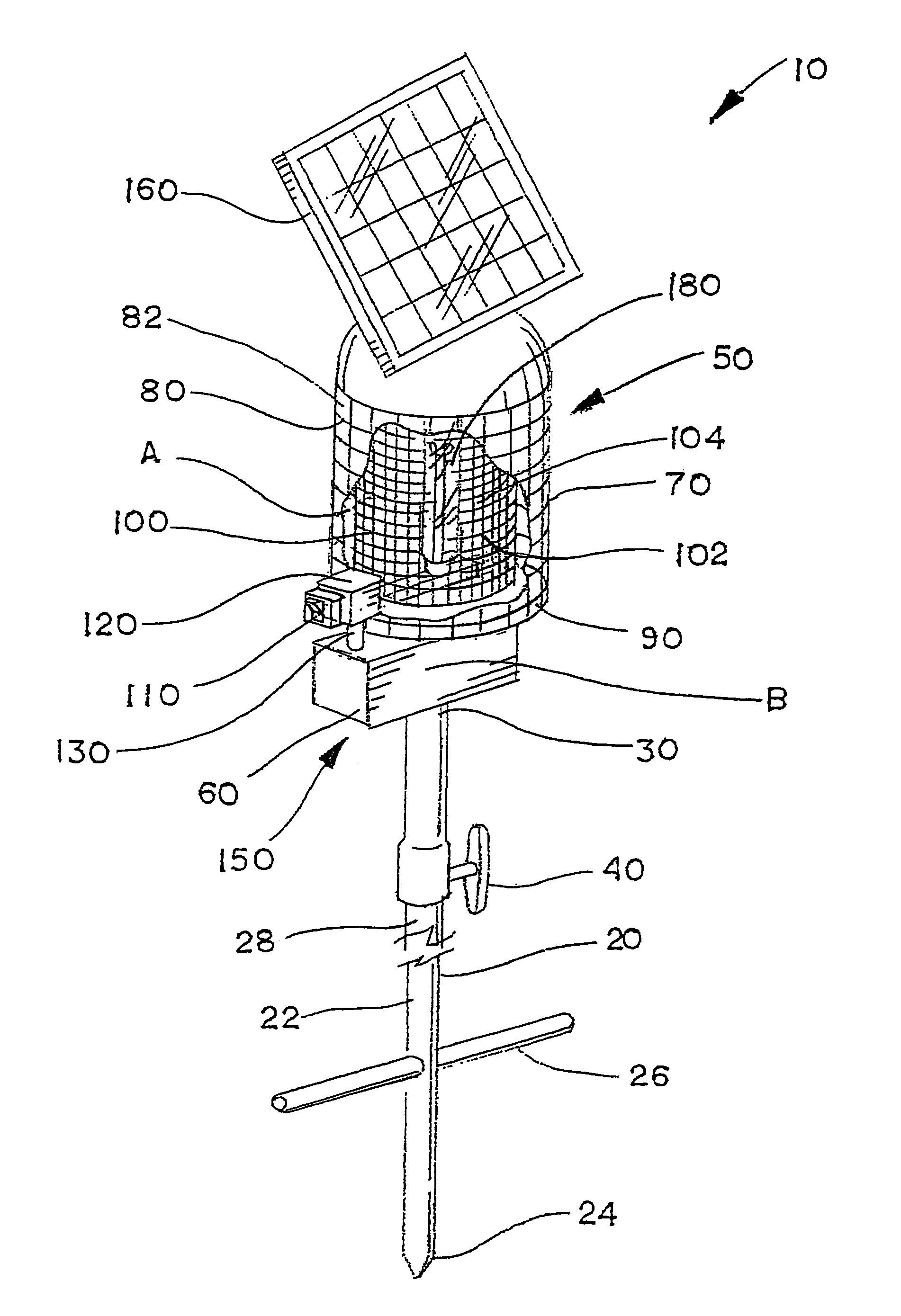
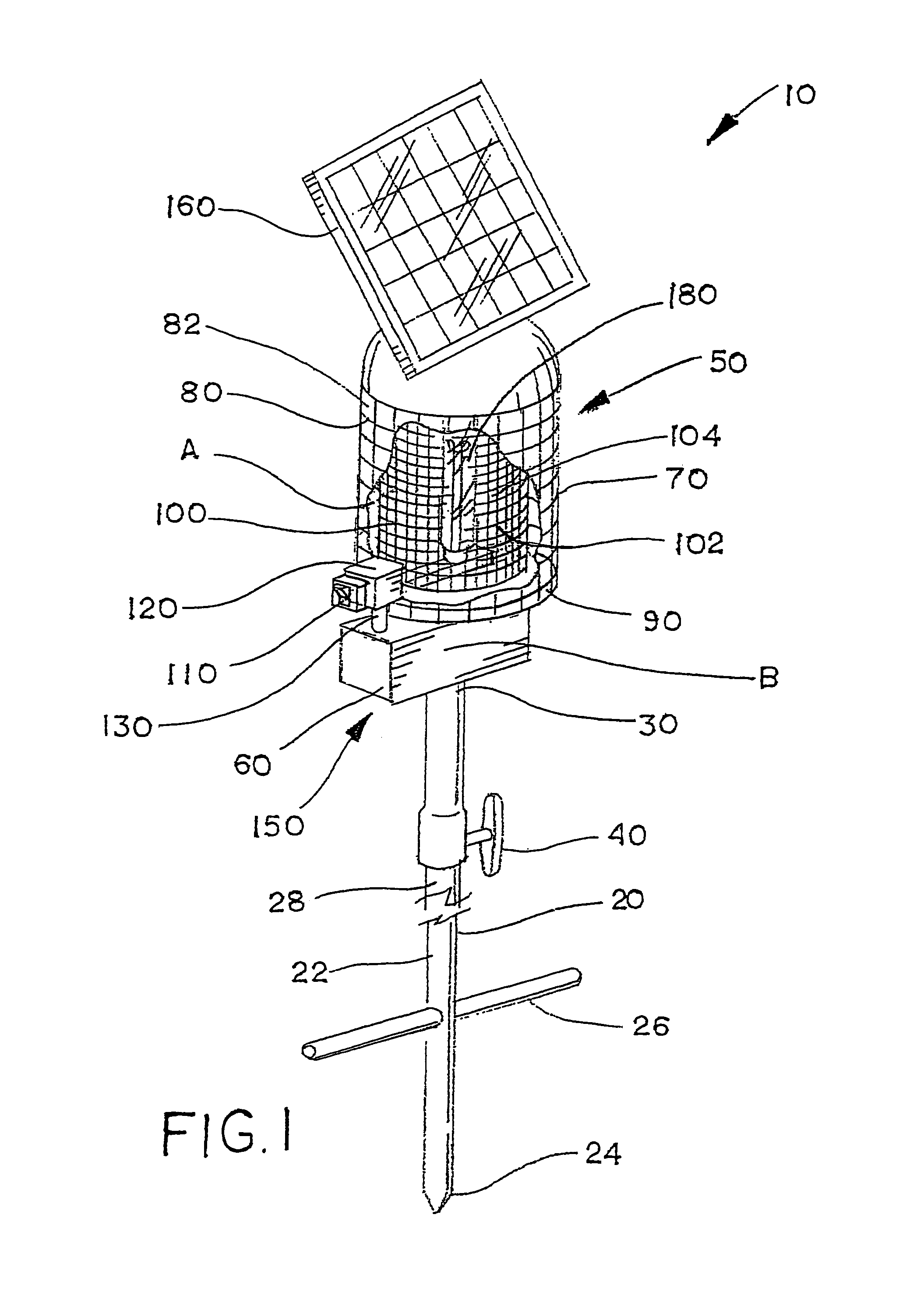
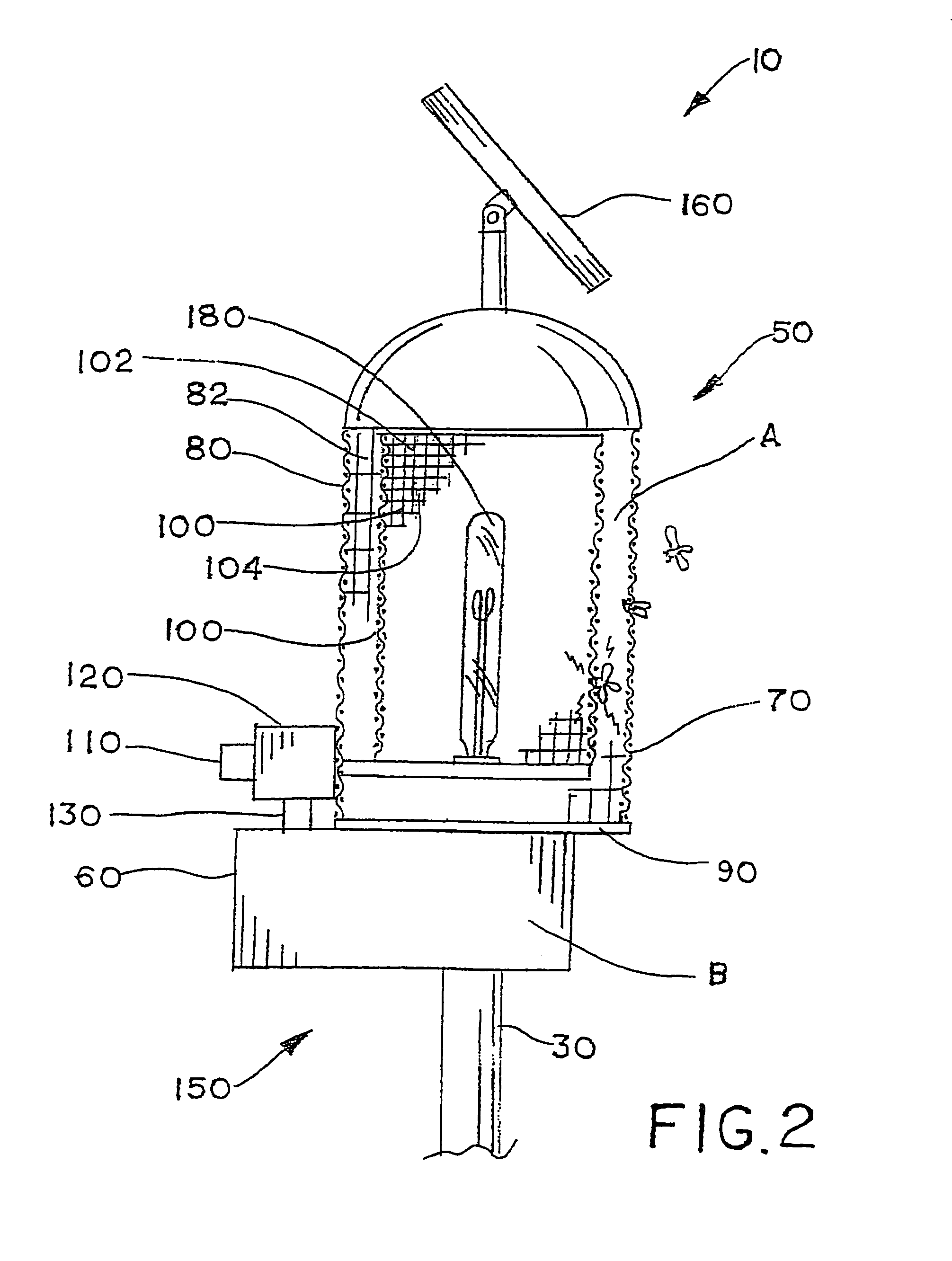
Hanging traps in each susceptible fruit or nut tree can help to reduce
codling moth populations but won't completely eliminate damage.
While research is not available on the effectiveness of these traps, backyard gardeners have reported success with this method.
Banding works best on smooth-barked varieties such as Red Delicious apple, which don't provide good alternative pupation sites; scaly-barked varieties like Newtown Pippin and most types of pears have so many crevices on the
trunk that many
larva will pupate before they get to the banded area.
Even in the best situations, banding will only control a very small percentage of the codling moths because many pupate elsewhere on the tree or in the ground.
However, it is quite
time consuming to apply the bags so this method is most manageable on smaller trees with fewer fruit.
Although a few predators such as spiders or carabid beetles may feed on codling moth larvae or pupae, naturally occurring biological control is not effective.
In commercial orchards, releases of the tiny wasp,
Trichogramma platneri, has been used successfully to manage codling moth in combination with
mating disruption or soft pesticides, but this method has not been tested in backyards.
Various chemicals and pesticides have been used in the past, but in addition to being toxic, the prime difficulty in dealing with codling moth infestations using chemicals seems to lie with appropriate timing.
Once inside they will get stuck on the inserted glueboard.
Once trapped they are not able to mate with females which will effectively decrease codling moth development in any
orchard.


 Login to View More
  Login to View More