
Fuel management system for public service vehicles
a technology for public service vehicles and management systems, applied in the direction of machines/engines, transportation and packaging, lighting and heating apparatus, etc., can solve the problems of waste of constant fuel consumption, low pollution, havoc with municipalities to keep fleet vehicles in operation, etc., and achieve the effect of efficient mechanical connection
- Summary
- Abstract
- Description
- Claims
- Application Information
AI Technical Summary
Benefits of technology
Problems solved by technology
Method used
Image

Examples
Embodiment Construction
[0019]The claimed subject matter is now described with reference to the drawings. In the following description, for purposes of explanation, numerous specific details are set forth in order to provide a thorough understanding of the claimed subject matter. It may be evident, however, that the claimed subject matter may be practiced with or without any combination of these specific details, without departing from the spirit and scope of this invention and the claims.
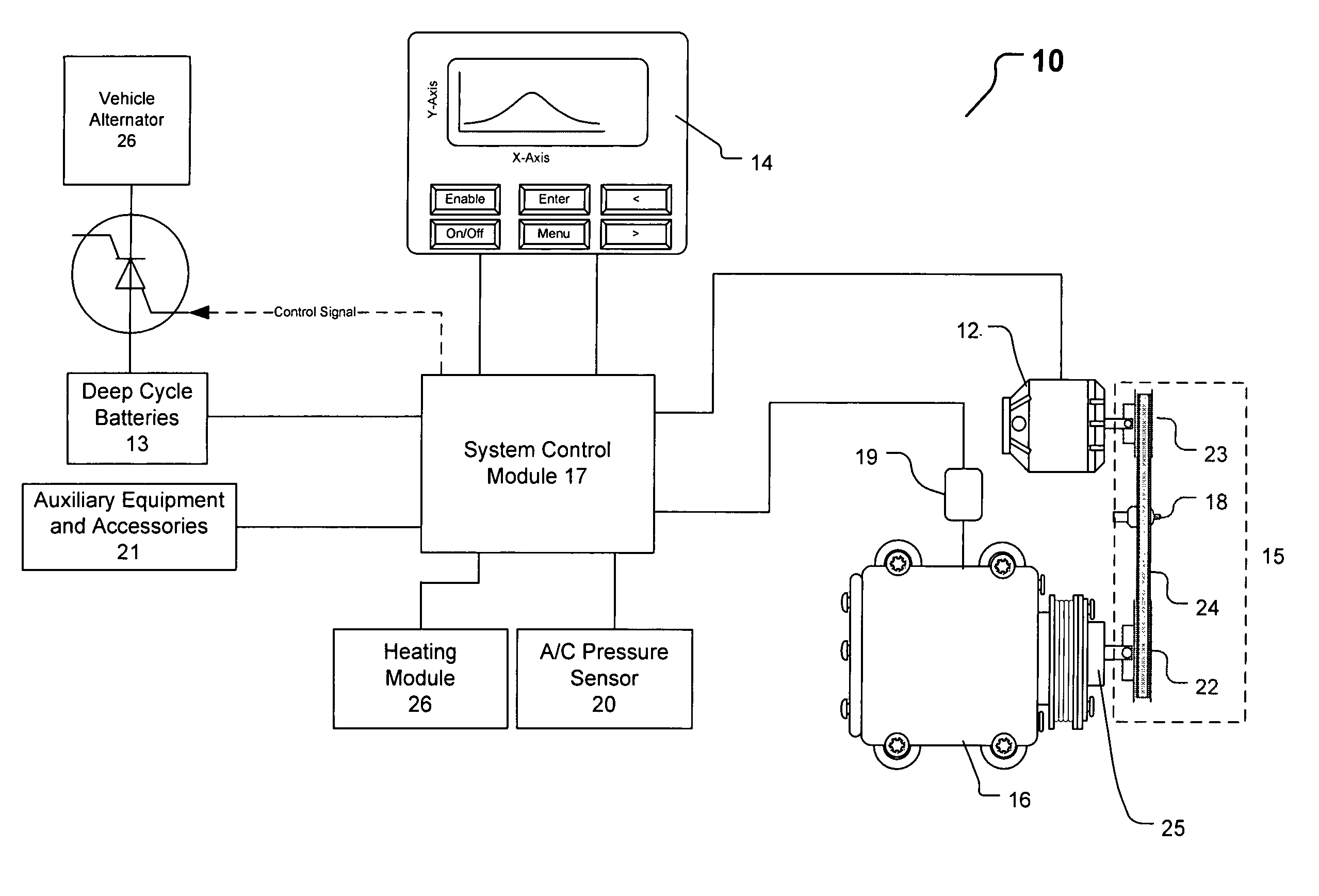
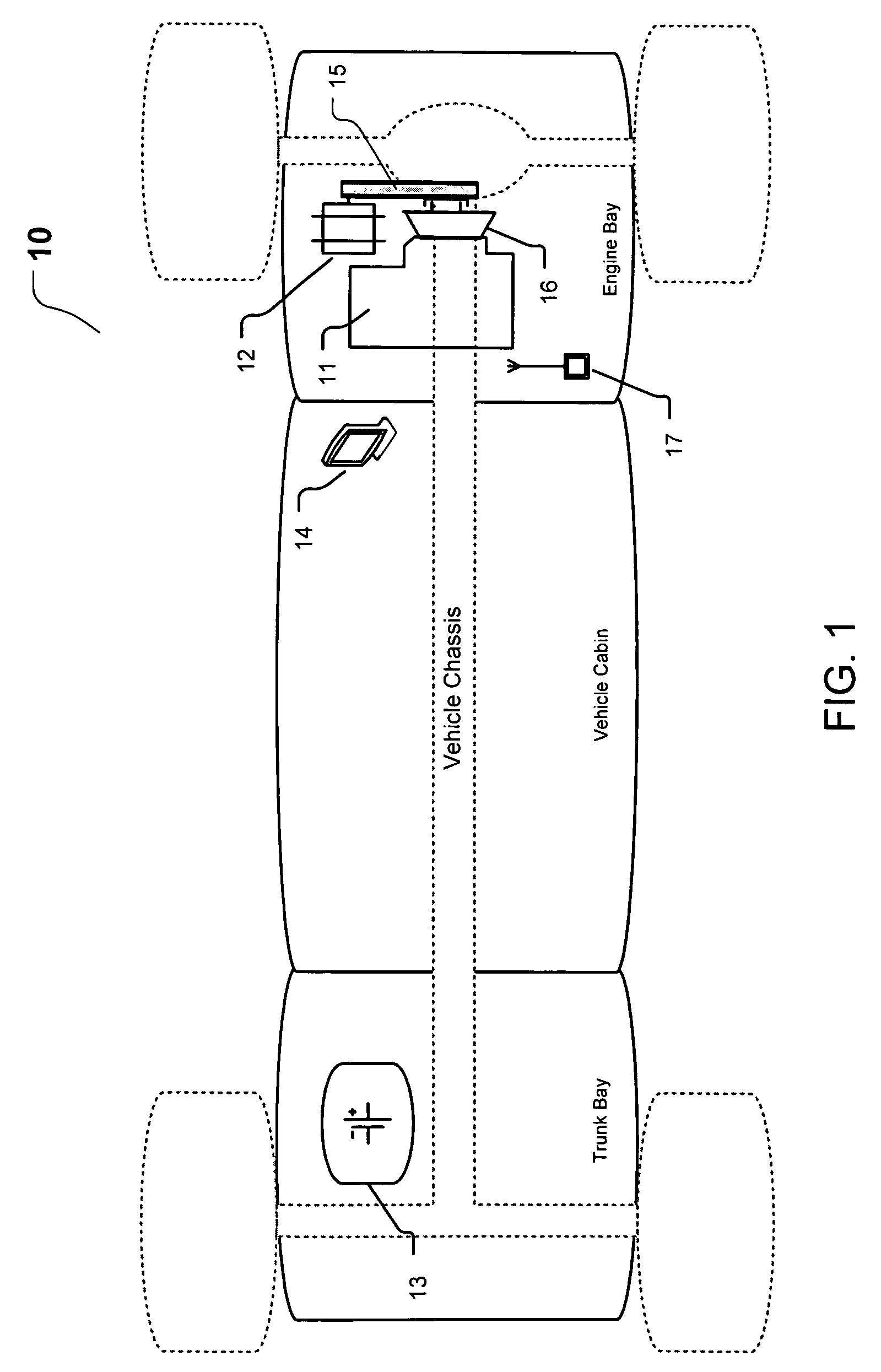
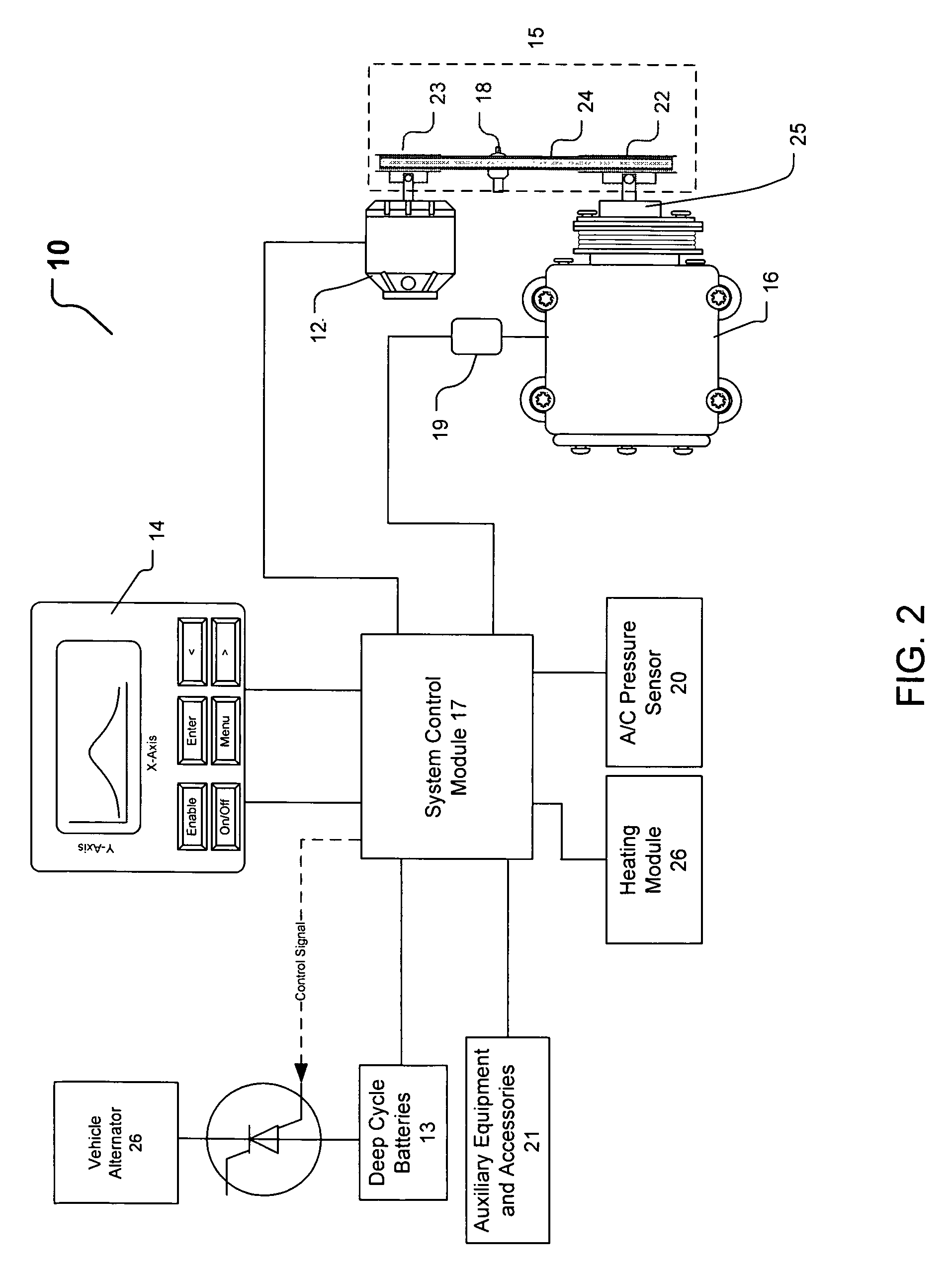
[0020]As used in this application, the terms “component”, “module”, “system”, “interface”, or the like are generally intended to refer to a computer-related entity, either hardware, a combination of hardware and software, software, or software in execution. For example, a component may be, but is not limited to being, a process running on a processor, a processor, an object, an executable, a thread of execution, a program, and / or a computer. By way of illustration, both an application running on a controller and the contr...
PUM
 Login to View More
 Abstract
Description
Claims
Application Information
 Login to View More