
Breast cancer early warning chip for easily rapid measuring human I type thymidine kinase gene protein
A thymidine kinase and gene technology, which is applied in the field of breast cancer early warning chips, can solve the problems of easy missed detection in early stage patients, high technical difficulty, cumbersome operation steps, etc.
- Summary
- Abstract
- Description
- Claims
- Application Information
AI Technical Summary
Problems solved by technology
Method used
Image

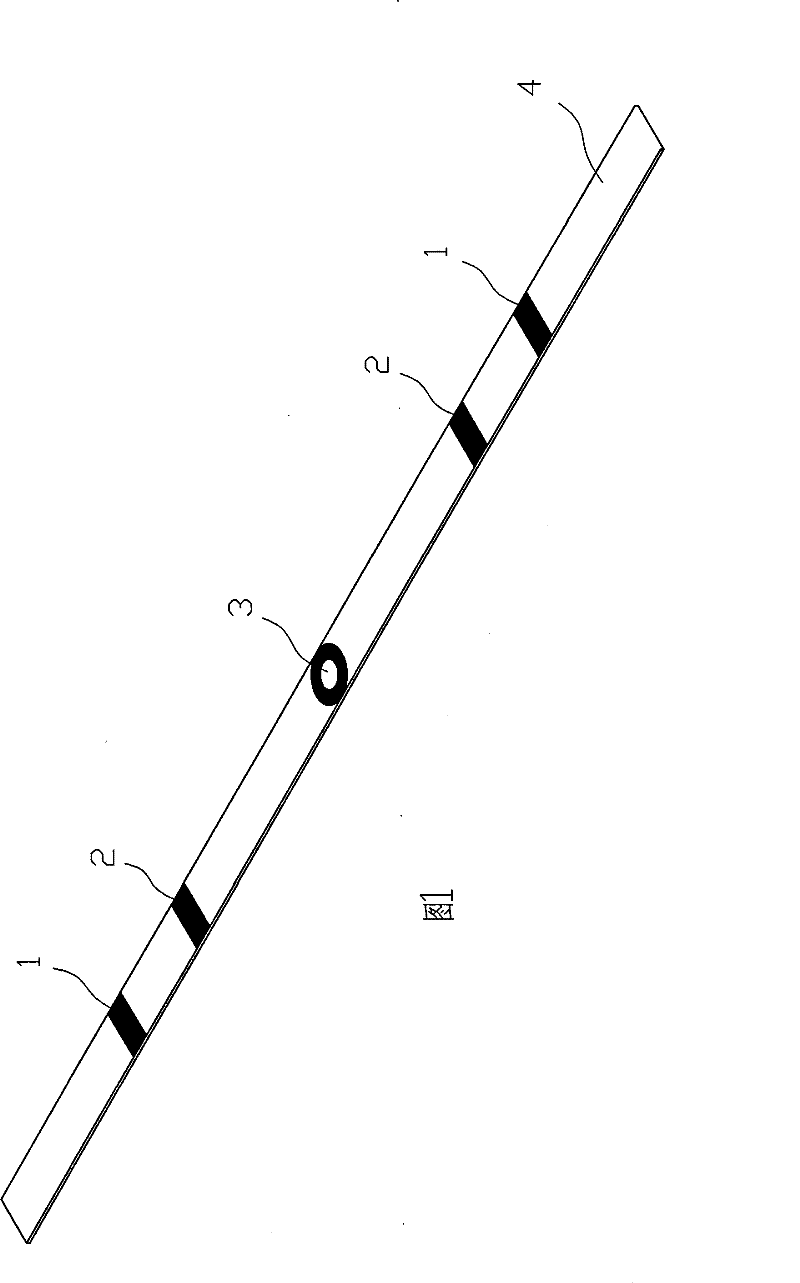
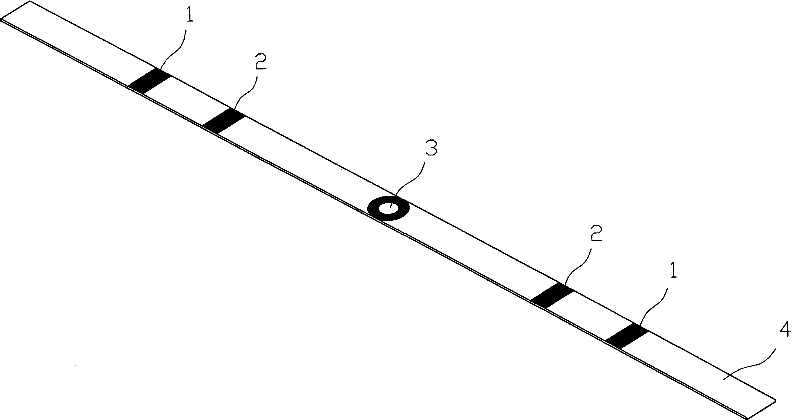
Examples
Embodiment approach
[0052] ① Cloning and sequence analysis of hTK1 gene:
[0053] 1) Reverse transcription PCR amplification of TK1cDNA: Extract RNA from 5 million Hela cells with Trizol reagent kit that can extract total ribonucleic acid (RNA) from animal cells and tissues, bacteria, fungi, etc., and treat with methotrexate for 48 hours , and after purification, a highly efficient alkylating agent-diethyl pyrocarbonate (DEPC) was used to dissolve the precipitate in water to obtain 30 μl. Since DEPC can destroy ribonuclease (RNase) activity, it can remove RNase contamination.
[0054] When performing reverse transcription, add 5-fold buffer: 4 μl, primer Oligo-dT (0.5 μg / 1 μl) 1 μl, deoxynucleoside triphosphate (dNTP) at 10 mMol / L concentration: 2 μl, RNA: 10 μl, deionized water : 2 μl, mixed thoroughly, and placed in a constant temperature water bath at 70°C for 10 minutes; then, placed on ice for 2 minutes; added 1 μl reverse transcriptase (50 U, Roche), mixed well, and placed in a water bath ...
PUM
| Property | Measurement | Unit |
|---|---|---|
| particle diameter | aaaaa | aaaaa |
| Sensitivity | aaaaa | aaaaa |
| particle size | aaaaa | aaaaa |
Abstract
Description
Claims
Application Information
 Login to View More