

Method for reducing hexavalent chromium in methane matrix biomembrane by NO<3><->
A biofilm and matrix membrane technology, applied in the field of biological reduction of complex pollutants, can solve problems such as carcinogenicity, teratogenicity, and hidden dangers to human health
Active Publication Date: 2018-10-19
ZHEJIANG UNIV
View PDF2 Cites 0 Cited by
- Summary
- Abstract
- Description
- Claims
- Application Information
AI Technical Summary
Problems solved by technology
Cr(VI) is carcinogenic, teratogenic and mutagenic to organisms, and has great health risks to the human body
Method used
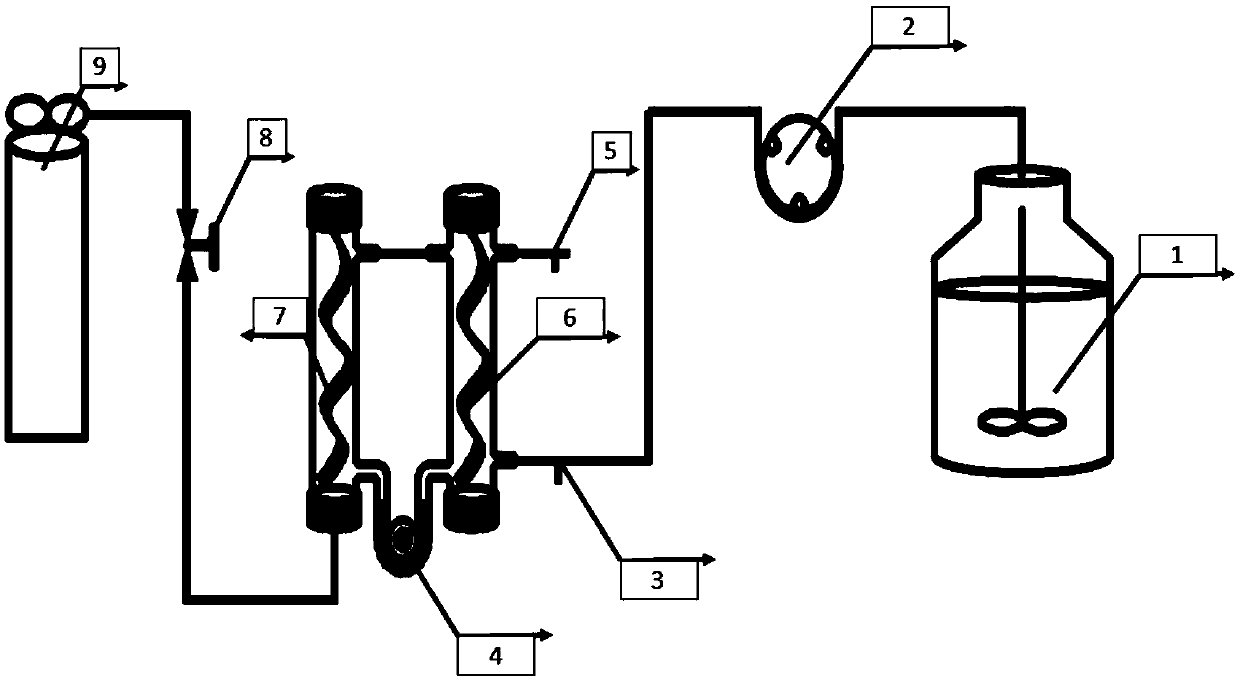
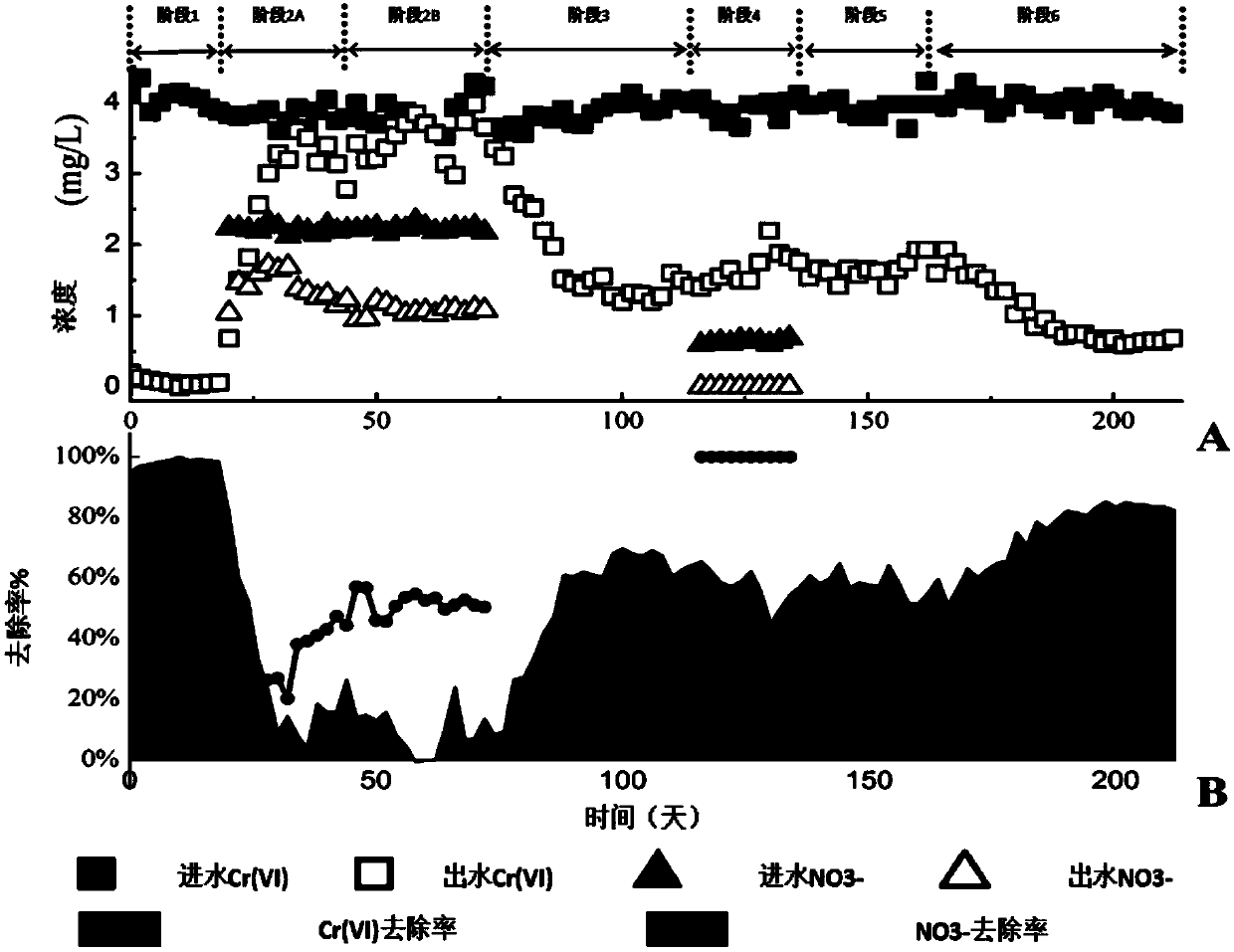
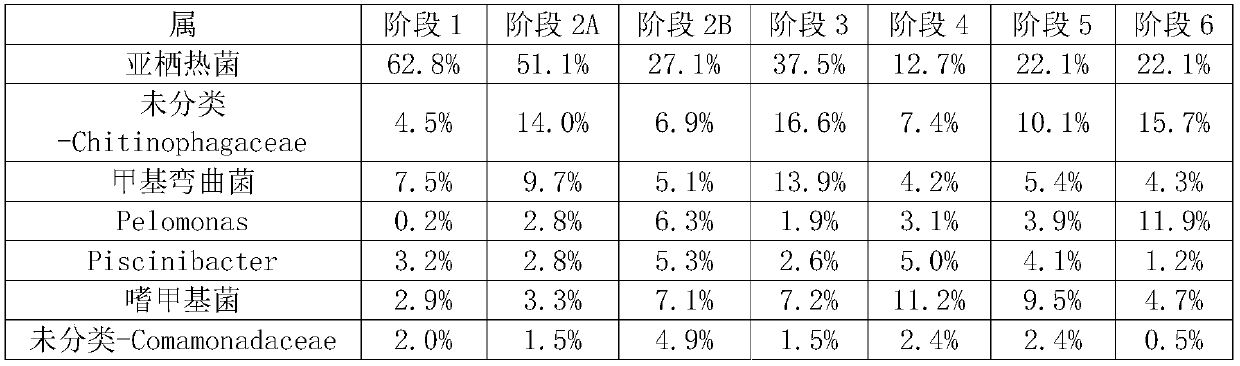
the structure of the environmentally friendly knitted fabric provided by the present invention; figure 2 Flow chart of the yarn wrapping machine for environmentally friendly knitted fabrics and storage devices; image 3 Is the parameter map of the yarn covering machine
View moreImage
Smart Image Click on the blue labels to locate them in the text.
Smart ImageViewing Examples

Examples
Experimental program
Comparison scheme
Effect test
specific Embodiment
[0036] (1) Preparation of simulated wastewater
the structure of the environmentally friendly knitted fabric provided by the present invention; figure 2 Flow chart of the yarn wrapping machine for environmentally friendly knitted fabrics and storage devices; image 3 Is the parameter map of the yarn covering machine
Login to View More PUM
 Login to View More
 Abstract
The invention relates to a biological reduction technology for composite pollutants, and aims to provide a method for reducing hexavalent chromium in a methane matrix biomembrane by NO<3><->. The method includes the following steps: adding Na2CrO4 and NaNO3 to an inorganic medium, and allowing the obtained medium, for later use, to stand under a micro-aerobic condition; introducing simulated wastewater into a methane matrix membrane bioreactor, adding CrO<4><2-> and activated sludge, and carrying out self-circulation to obtain the a bacterial solution; introducing the simulated wastewater andCH4 into the reactor in a continuous flow manner, and controlling the concentration of NO<3><-> in inlet water in stages; and ensuring that the concentrations of the CrO<4><2-> and NO<3><-> in outletwater reach a steady state for at least 10 days in every running stage. Compared with the prior art, the method has the following advantages: the high load of NO<3><-> has a significant irreversible inhibition effect on the reduction of Cr(VI); the introduction of the NO<3><-> deceases Meiothermus originally involved in the reduction of Cr(VI) and makes alpha-proteobacteria enriched; and when theNO<3><-> is removed, beta-proteobacteria become important, so the beta-proteobacteria play a potential role in Cr(VI) reduction.
Description
technical field [0001] The invention belongs to the technical field of biological reduction of complex pollutants, in particular to a 3 - A method for the reduction of hexavalent chromium in methane matrix biofilms. Background technique [0002] Metal chromium (Cr) is an important alloying element and is widely used in industries (such as: petroleum refining, electroplating, dyes and wood preservation, etc.). These industries have produced a large amount of chromium-containing polluted wastewater, among which CrO 4 2- It is the main chromium-containing pollutant. Cr(VI) has carcinogenicity, teratogenicity and mutagenicity to organisms, and has great health risks to human body. The U.S. Environmental Protection Agency defines the maximum contamination limit (MCL) of chromium in drinking water as 100 μg-Cr / L. At the same time, nitrate (NO 3 - ) is widely used in agricultural fertilizers and industrial production, surface water and groundwater polluted by chromium are g...
Claims
the structure of the environmentally friendly knitted fabric provided by the present invention; figure 2 Flow chart of the yarn wrapping machine for environmentally friendly knitted fabrics and storage devices; image 3 Is the parameter map of the yarn covering machine
Login to View More Application Information
Patent Timeline
 Login to View More
 IPC IPC(8): C02F3/28C02F3/34C02F101/22
CPCC02F1/70C02F3/006C02F3/2853C02F3/34C02F2101/22Y02E50/30
Inventor赵和平钟亮吕盘龙王振石凌栋
OwnerZHEJIANG UNIV